Pliny the Younger: Roman Lawyer and Witness to Vesuvius
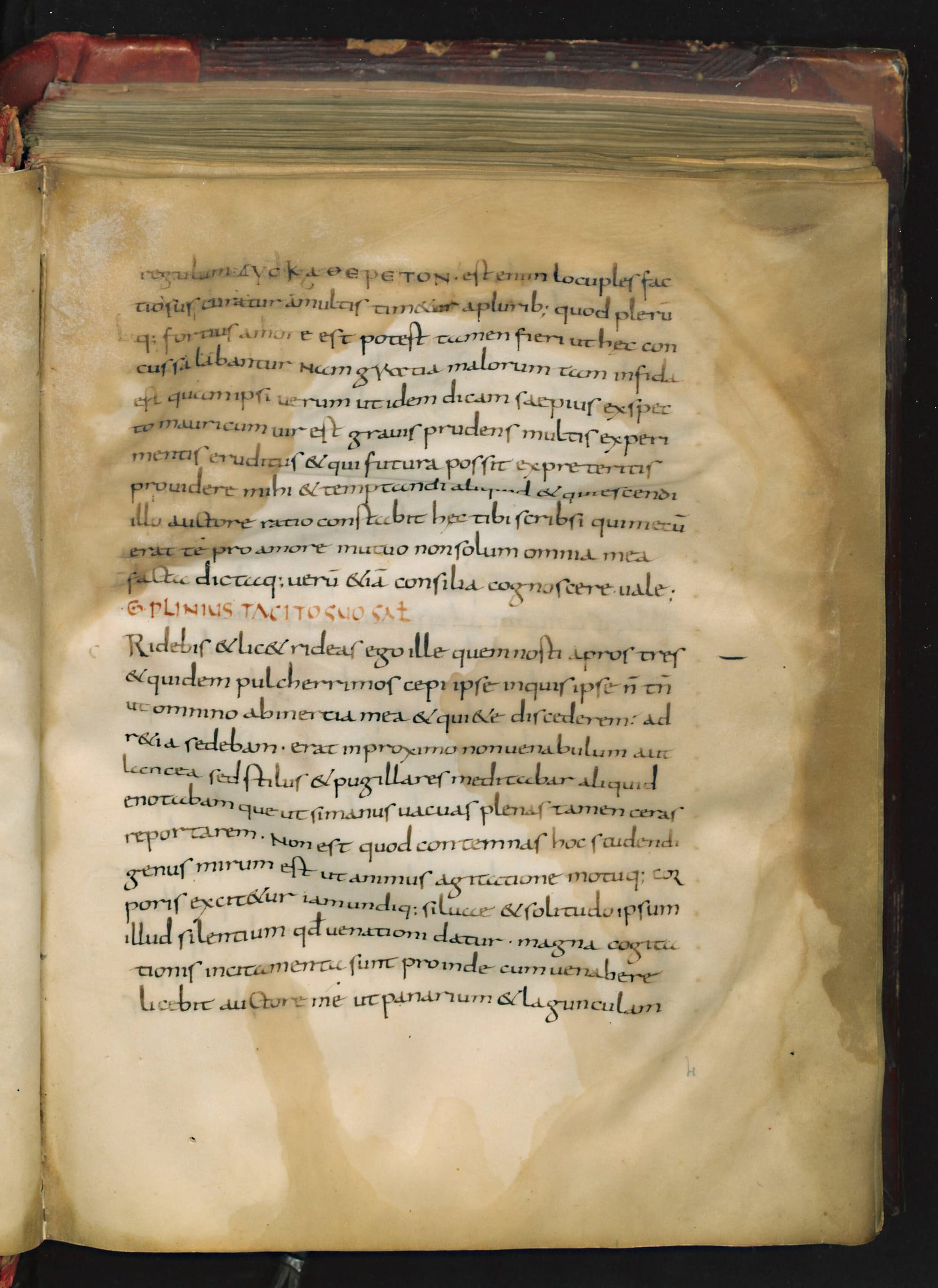
The eruption of Mount Vesuvius in 79 CE remains one of history's most devastating natural disasters, preserved for posterity through the detailed letters of Pliny the Younger. As a prominent Roman lawyer, author, and imperial administrator, Pliny left behind a remarkable collection of Epistulae that provide unique insights into Roman society, politics, and early Christianity. His correspondence with Emperor Trajan represents one of the earliest non-Christian accounts of Christian worship practices.
Through nine books of personal letters published between 100-109 CE and a tenth book containing official correspondence, Pliny created an unparalleled window into the High Empire period. His career spanned the reigns of three emperors—Domitian, Nerva, and Trajan—demonstrating remarkable political adaptability during one of Rome's most transformative eras. The approximately 247 surviving letters continue to inform modern scholarship in fields ranging from volcanology to classical studies.
Early Life and Family Background
Gaius Plinius Caecilius Secundus was born around 61 CE in Comum (modern-day Como, Italy) into a wealthy equestrian family. His father, Lucius Caecilius Cilo, died when Pliny was young, leading to his adoption by his maternal uncle, Pliny the Elder, the renowned natural philosopher and author of Natural History. This adoption proved formative, exposing the younger Pliny to Rome's intellectual elite and providing educational opportunities that would shape his future career.
Pliny received an elite education under the tutelage of Quintilian, Rome's most famous rhetorician, and Verginius Rufus, a distinguished military commander. This comprehensive training in rhetoric and law prepared him for his future role as one of Rome's most prominent legal advocates. By age 18, he had begun practicing law in the Roman courts, quickly establishing a reputation for his oratorical skills and legal acumen.
The Vesuvius Eruption: An Eyewitness Account
The most famous episode from Pliny's early life came in 79 CE when, at approximately 17-18 years old, he witnessed the catastrophic eruption of Mount Vesuvius from Misenum, across the Bay of Naples. In two detailed letters written to the historian Tacitus (Epistulae VI.16 and VI.20), Pliny described the eruption that destroyed Pompeii and Herculaneum and claimed the life of his uncle, Pliny the Elder.
His uncle, serving as commander of the Roman fleet at Misenum, had attempted to rescue victims by sea when he succumbed to toxic volcanic gases. Pliny's vivid descriptions provide crucial scientific data for modern volcanologists studying ancient eruptions. His accounts remain the primary non-literary source for understanding the timing and progression of this historic disaster.
Pliny's letters represent the earliest comprehensive eyewitness description of a volcanic eruption in Western literature, establishing him as an accidental pioneer in scientific observation.
Legal Career and Early Political Advancement
Pliny's legal career began in earnest during his late teens, and he quickly gained recognition for his skill in inheritance and extortion cases. His most famous early case involved the prosecution of Marcus Priscus, the former governor of Africa, in 100 CE. This high-profile case demonstrated Pliny's commitment to combating provincial corruption and established his reputation as a formidable legal advocate.
His career progression followed the traditional cursus honorum (course of honors), but at an accelerated pace due to his exceptional abilities and political connections:
- Tribune (c. 81 CE): Began his military service in Syria
- Quaestor (late 20s CE): Entry to the Roman Senate
- Praetor (93 CE): High judicial authority
- Consul (100 CE): Highest elected political office
This rapid advancement through Rome's political hierarchy occurred despite the turbulent reign of Emperor Domitian (81-96 CE), demonstrating Pliny's considerable political skills and ability to navigate dangerous political waters.
Surviving Imperial Transitions
Pliny's career spanned one of the most politically volatile periods in Roman history. He served under three very different emperors: the tyrannical Domitian, the short-reigned Nerva, and the respected Trajan. His ability to maintain influence through these transitions speaks to his diplomatic skills and practical approach to politics.
Following Domitian's assassination in 96 CE, Pliny strategically aligned himself with the new regimes, delivering his famous Panegyricus to Trajan in 100 CE. This speech, which extolled Trajan's virtues in contrast to Domitian's tyranny, helped cement his position in the new administration. The work survives as one of the most important political documents from the early second century CE.
Literary Contributions and Publication
Between 100-109 CE, Pliny published nine books of carefully edited personal letters totaling 247 individual epistles. These were not spontaneous communications but deliberately crafted literary works intended for publication. The letters cover diverse topics including:
- Roman politics and administration
- Social customs and daily life
- Legal cases and philosophical debates
- Personal relationships and villa architecture
The tenth book of letters contains his official correspondence with Emperor Trajan during his governorship of Bithynia-Pontus. This collection includes the famous exchange regarding the treatment of Christians, providing invaluable insight into early imperial policy toward the growing religious movement.
The Christian Question: Correspondence with Trajan
Pliny's letter to Trajan regarding Christians (Epistulae X.96) represents one of the most significant documents in the study of early Christianity. Written around 112 CE while serving as governor of Bithynia-Pontus, Pliny sought guidance on how to handle Christians brought before his court.
He described their worship practices, including their custom of meeting before dawn on a fixed day to sing hymns to Christ "as to a god." Trajan's reply established an important precedent: Christians should not be sought out proactively, but if denounced and refusing to recant, they should be punished. This exchange provides the earliest Roman administrative perspective on Christian worship practices.
Pliny's literary legacy extends beyond his letters to include speeches and poetry, though most of these works have been lost. His published correspondence remains his most enduring contribution to Western literature, offering a uniquely personal perspective on Roman elite society during the first century CE.
Governorship of Bithynia-Pontus: Administrative Challenges
Around 110 CE, Emperor Trajan appointed Pliny as imperial governor of the province of Bithynia-Pontus in Asia Minor. This appointment represented the culmination of his political career and demonstrated the emperor's confidence in his administrative abilities. As governor, Pliny faced numerous challenges including financial mismanagement, corruption, and infrastructure problems that had plagued the province for decades.
His correspondence with Trajan from this period (preserved in Book 10 of his letters) provides detailed insights into provincial administration during the High Empire. Pliny sought the emperor's guidance on matters ranging from public works projects to legal disputes, creating a remarkable record of how Roman imperial government functioned at the local level. The approximately 124 letters exchanged during his governorship reveal a conscientious administrator determined to restore order to a troubled province.
Infrastructure and Financial Reforms
Pliny encountered significant infrastructure problems upon arriving in Bithynia-Pontus. Many public buildings stood unfinished despite substantial expenditures, and the provincial finances were in disarray. His letters document numerous construction projects including aqueducts, temples, and public baths that required imperial approval and funding.
One notable case involved the construction of an aqueduct for Nicomedia, the provincial capital, which had previously wasted millions of sesterces on failed attempts. Pliny carefully investigated the project and submitted detailed cost estimates to Trajan, demonstrating his methodical approach to administration. His financial reforms focused on transparency and accountability, addressing the corruption that had previously undermined provincial governance.
Pliny's correspondence reveals a governor deeply concerned with fiscal responsibility, repeatedly emphasizing the need to prevent waste of public funds while completing essential infrastructure projects.
Military Command and Provincial Security
As governor of Bithynia-Pontus, Pliny also held military command, responsible for maintaining order and security throughout the province. Though not primarily a military figure, he demonstrated competent leadership in handling troop dispositions and addressing security concerns. His letters mention dealing with minor rebellions and maintaining discipline among Roman forces stationed in the region.
One significant challenge involved managing relations with local communities while upholding Roman authority. Pliny balanced military necessity with diplomatic sensitivity, often consulting Trajan on the appropriate use of force. This balanced approach reflected his legal background and understanding of Roman imperial policy toward provincial populations.
The Christian Problem: Administrative Response
Pliny's most famous administrative challenge involved determining the proper legal treatment of Christians in his province. His letter to Trajan (X.96) outlines his investigative procedure: anonymous accusations had led to numerous trials, and he sought clarification on whether merely being Christian warranted punishment.
He described his method of interrogating accused Christians, offering them the opportunity to recant by making offerings to Roman gods and the emperor's statue. Those who persisted faced execution, though Roman citizens were sent to Rome for trial. Trajan's reply established the important precedent that Christians should not be hunted down but could be punished if formally accused and refusing to recant.
- Anonymous accusations were not to be accepted
- Pardons were offered to those who recanted
- Stubborn adherence to Christianity warranted punishment
- Roman citizens received different legal treatment
Literary Legacy and Editorial Methods
Pliny's literary output reflects careful planning and editorial control rather than spontaneous composition. His nine books of personal letters were deliberately curated for publication, with each letter selected and possibly revised to present a particular image of their author. The collection represents one of antiquity's most sophisticated examples of self-presentation through epistolary form.
The letters cover an enormous range of topics while maintaining a consistent tone of moral seriousness and literary refinement. Pliny positioned himself as a model Roman aristocrat—educated, public-spirited, and morally upright. This literary self-fashioning has made his correspondence invaluable for understanding elite values and self-perception during the early second century CE.
Themes and Literary Techniques
Several key themes emerge consistently throughout Pliny's correspondence, reflecting his concerns and values as a Roman senator and intellectual. These include the importance of friendship, the proper conduct of public life, literary pursuits, and the management of private estates. His letters often serve as moral exempla, illustrating proper behavior through anecdote and reflection.
Pliny employed various literary techniques to enhance his narratives, including:
- Vivid description for dramatic events like the Vesuvius eruption
- Dialogue reconstruction in legal and political contexts
- Character sketches of contemporaries
- Philosophical reflection on personal experiences
His literary style demonstrates the influence of his rhetorical training, with careful attention to structure, pacing, and rhetorical effect. The letters were clearly intended not merely as personal communication but as works of literature that would establish his reputation for posterity.
Social Network and Patronage Relationships
Pliny's letters provide exceptional insight into the social networks that sustained Roman aristocratic life. His correspondence includes letters to emperors, senators, literary figures, and personal friends, revealing the complex web of relationships that defined elite society. As a patron, he supported younger men beginning their careers and assisted clients with legal and political matters.
His patronage extended to literary figures including the poet Martial, whom he helped secure a return to Spain after years in Rome. This support for writers and intellectuals reflects Pliny's commitment to literary culture and his understanding of patronage as both a social obligation and a means of enhancing his own reputation.
Correspondence with Prominent Contemporaries
Pliny maintained correspondence with many of the most important figures of his day, creating a network that crossed political and literary circles. His letters to Tacitus provide valuable information about both men's careers and intellectual interests. The exchange regarding the Vesuvius eruption, written at Tacitus's request, demonstrates their shared interest in documenting significant historical events.
Other notable correspondents included:
- Suetonius, the biographer, whom Pliny helped secure a military tribunate
- Calpurnius Fabatus, his grandfather-in-law, regarding family matters
- Various provincial officials throughout the empire
- Local aristocrats in Comum and elsewhere
This extensive network illustrates how Roman aristocrats maintained relationships across great distances and through changing political circumstances. Pliny's careful preservation of these letters suggests he recognized their value as documentation of his social and political connections.
Philosophical and Moral Outlook
Pliny's letters reveal a man deeply concerned with moral philosophy and proper conduct, reflecting the Stoic influences that permeated Roman aristocratic culture. Though not a systematic philosopher, he frequently reflects on ethical questions arising from his public and private life. His moral outlook emphasizes duty, friendship, and the proper use of wealth and influence.
This philosophical orientation is particularly evident in his descriptions of villas and country life, which he presents not merely as luxury but as appropriate rewards for public service. His attitude toward wealth reflects the Roman ideal of generous patronage rather than mere accumulation, with numerous letters describing his financial support for public works and individuals in need.
Stoic Influences and Practical Ethics
Pliny's time in Syria during his military tribunate exposed him to Stoic philosophers who influenced his approach to public service and personal conduct. His letters demonstrate a practical Stoicism focused on civic responsibility rather than abstract speculation. This philosophical grounding helped him navigate the political dangers of Domitian's reign while maintaining his integrity.
Key elements of his ethical outlook include:
- Commitment to public service as a moral obligation
- Balancing otium and negotium (leisure and business)
- Proper use of wealth for public benefit
- Loyalty to friends and patronage obligations
This blend of philosophical principle and practical accommodation characterized the successful Roman aristocrat during the early empire. Pliny's letters provide one of our most detailed portraits of how these values operated in daily life.
Historical Significance and Legacy
Pliny the Younger occupies a unique position in Roman history as both an active participant in imperial administration and a meticulous observer of his era. His career spanned approximately three decades of public service, during which he held over 15 major political and religious offices. This combination of practical experience and literary documentation makes his letters invaluable for understanding the daily workings of Roman government.
Unlike most Roman authors who wrote from a distance about political events, Pliny provides an insider's perspective on the transition from the Flavian dynasty to the adoptive emperors. His survival through Domitian's tyrannical reign and subsequent flourishing under Trajan demonstrates the adaptability required of Roman aristocrats during politically volatile periods. His writings capture this transition in personal terms rarely found in official histories.
Impact on Historical Scholarship
Modern historians consider Pliny's letters among the most important documentary sources for the early second century CE. They provide evidence for numerous aspects of Roman life that receive little attention in formal historical works. His detailed descriptions of legal proceedings, provincial administration, and social customs fill gaps in our understanding of how the Roman Empire actually functioned at an operational level.
Specific areas where Pliny's correspondence has proven particularly valuable include:
- Provincial governance and financial administration
- Roman legal procedures and courtroom advocacy
- Early Christian communities and imperial policy
- Volcanology and natural disaster response
- Social networks and patronage systems
Pliny's letters provide the most comprehensive surviving record of a senatorial career during the High Empire, offering insights unavailable from any other single source.
Modern Research and Digital Humanities
In recent decades, Pliny's letters have become important material for digital humanities projects and quantitative analysis. Researchers use network analysis to map his social connections, revealing patterns in Roman elite relationships. Text analysis software helps identify literary influences and editorial patterns across his correspondence, shedding new light on his compositional methods.
The letters also contribute to climate history studies, with his description of the Vesuvius eruption providing crucial data for reconstructing ancient volcanic events. Archaeologists working at Pompeii and Herculaneum regularly consult his accounts when interpreting material remains, creating a dialogue between textual and archaeological evidence that enriches both disciplines.
Debates in Contemporary Scholarship
Several ongoing scholarly debates center on interpretation of Pliny's letters and career. These include questions about the authenticity and editing of his published correspondence, with some scholars suggesting substantial revision between original composition and publication. Others debate his political motivations, particularly regarding his relationship with Domitian and subsequent condemnation of the emperor under Trajan.
Key areas of contemporary debate include:
- Editorial intervention in the published letter collection
- Political opportunism versus genuine conviction
- Accuracy of the Vesuvius eruption timeline
- Representativeness of his elite perspective
- Relationship between literary self-presentation and reality
These debates reflect the complex nature of using literary sources for historical reconstruction while acknowledging their artistic and rhetorical dimensions. Pliny's careful self-fashioning ensures that modern readers must approach his letters with both appreciation for their detail and awareness of their constructed nature.
Comparative Importance Among Roman Authors
While not as philosophically profound as Seneca or as historically comprehensive as Tacitus, Pliny occupies a distinctive niche in Roman literature. His letters provide the most detailed personal record of senatorial life during the early empire, complementing the broader historical narratives of his contemporaries. This personal dimension makes his work particularly valuable for understanding the human experience behind institutional structures.
Compared to other epistolary collections from antiquity, Pliny's letters stand out for their deliberate publication and literary polish. Unlike Cicero's more spontaneous correspondence, Pliny's letters were clearly composed with posterity in mind. This intentionality creates both opportunities and challenges for modern readers seeking to understand both the man and his times.
Influence on Later Letter Writing
Pliny's published correspondence established a model for literary letter collections that influenced later writers throughout European history. During the Renaissance, his letters became particularly admired for their elegant Latin style and moral seriousness. Humanist scholars studied them as models of epistolary composition and sources of insight into Roman civilization.
The tradition of publishing carefully curated personal correspondence continued through the early modern period, with figures like Erasmus consciously emulating Pliny's approach. This literary influence extends his significance beyond Roman history into the broader development of European letters and self-documentation practices.
Final Years and Death
Pliny's final years were spent governing Bithynia-Pontus, where he appears to have died around 113 CE. The exact circumstances of his death remain unclear, though it occurred while he was actively addressing provincial corruption and tax issues. His correspondence with Trajan provides no indication of declining health or intention to retire, suggesting he remained engaged in his administrative duties until the end.
Having no children from his two marriages—first to a stepdaughter of Veccius Proculus and later to Calpurnia, daughter of Calpurnius Fabatus—his direct line ended with his death. However, his literary legacy ensured his continued influence long after his passing. His extensive patronage of writers and public benefactions, particularly in his hometown of Comum, represented his commitment to civic responsibility and cultural patronage.
Material and Archaeological Legacy
Unlike many Roman figures, Pliny left behind limited archaeological evidence directly linked to his life. No definitive portrait busts have been identified, though several possible candidates exist in museum collections. His villas at Laurentum and Comum, described in detail in his letters, have been tentatively identified by archaeologists but not conclusively proven.
The search for his material remains continues to interest archaeologists, particularly at:
- Como, where he funded public buildings
- Bithynia, his final administrative post
- Rome, where he maintained a residence
- Laurentum, his coastal villa
Despite this limited physical evidence, his written legacy provides such detailed personal documentation that his life and career remain remarkably accessible to modern readers. The letters create a vivid portrait that compensates for the lack of material remains.
Conclusion: Pliny's Enduring Relevance
Pliny the Younger represents one of antiquity's most valuable historical sources precisely because he was not primarily a historian. As an active participant in Roman government, his letters document the daily realities of imperial administration from an insider's perspective. His careful self-presentation through published correspondence creates a nuanced portrait of elite values, concerns, and self-fashioning during the early second century CE.
His eyewitness account of the Vesuvius eruption remains indispensable for understanding one of antiquity's most significant natural disasters. His correspondence with Trajan regarding Christians provides crucial evidence for early imperial policy toward the new religion. His detailed descriptions of legal proceedings, social customs, and political maneuvering illuminate aspects of Roman life that more formal historical works often overlook.
Key Historical Contributions
Several factors ensure Pliny's continued importance for understanding the Roman world:
- Administrative Documentation: His governorship letters provide unprecedented detail about provincial management
- Natural Disaster Account: The Vesuvius description remains the primary literary source for the eruption
- Religious History: The Christian correspondence offers the earliest Roman administrative perspective
- Social History: His letters document elite lifestyles, values, and relationships
- Political History: His career illustrates senatorial life through imperial transition
These multifaceted contributions make Pliny's letters essential reading for anyone studying Roman history, literature, or society. They bridge the gap between institutional history and personal experience, providing human dimension to our understanding of the Roman Empire.
As both historical document and literary creation, Pliny's correspondence continues to inform and engage readers nearly two millennia after its composition. His careful curation of his own legacy has proven remarkably successful, ensuring his voice remains one of the most distinctive and informative from the ancient world. The combination of practical experience, observational skill, and literary talent evident in his letters makes him not merely a witness to history but an active shaper of how future generations would understand his era.

Martin Luther King Jr.: Civil Rights Leader Legacy
The life and work of Martin Luther King Jr. remain foundational to understanding American history and the ongoing struggle for civil rights. As a Baptist minister and a pivotal leader in the American civil-rights movement, King championed nonviolent resistance to combat racial segregation and injustice. His leadership directly contributed to landmark legislation and continues to inspire movements for equality worldwide.
Early Life and Ministry of Martin Luther King Jr.
Martin Luther King Jr. was born on January 15, 1929, in Atlanta, Georgia. He was born into a family of pastors, which deeply influenced his own path into the ministry. King’s early exposure to theology and social justice issues shaped his future role as a leader.
Education and Influences
King was an exceptional student, skipping two grades in high school. He entered Morehouse College at the age of fifteen, where he decided to follow his father and grandfather into the Baptist ministry. His studies continued at Crozer Theological Seminary and Boston University, where he earned his doctorate.
During his education, King was deeply influenced by the teachings of Mahatma Gandhi. He studied Gandhi’s philosophy of nonviolent resistance, adapting it as a powerful tool for social change in the United States. This principle would become the cornerstone of his activism.
The Montgomery Bus Boycott: A Movement Begins
The Montgomery Bus Boycott of 1955-1956 marked King’s entry into national prominence. This protest began after Rosa Parks was arrested for refusing to give up her seat to a white passenger. The African American community in Montgomery, Alabama, organized a sustained boycott of the city’s bus system.
Leadership and Outcome
At just 26 years old, Martin Luther King Jr. was chosen to lead the Montgomery Improvement Association, which organized the boycott. His powerful oratory and unwavering commitment to nonviolence helped sustain the protest for 381 days. The boycott concluded with a landmark Supreme Court ruling that declared segregation on public buses unconstitutional.
This victory demonstrated the effectiveness of organized, nonviolent protest and established King as a leading voice for civil rights. It was the first major large-scale demonstration against segregation in the U.S.
Founding the Southern Christian Leadership Conference (SCLC)
Following the success in Montgomery, King and other ministers founded the Southern Christian Leadership Conference (SCLC) in 1957. The organization’s mission was to harness the moral authority and organizing power of black churches to conduct nonviolent protests for civil rights reform.
Philosophy and Mission
The SCLC was built on the principle of Christian love and nonviolent direct action. King served as its first president, advocating for civil disobedience as a way to highlight and challenge unjust laws. The organization aimed to achieve full citizenship rights for African Americans.
Under King’s leadership, the SCLC planned and executed major campaigns across the South. These efforts were critical in dismantling the system of legalized segregation known as Jim Crow.
The Power of Words: "Letter from Birmingham Jail"
In April 1963, King was arrested during a campaign in Birmingham, Alabama. While in solitary confinement, he penned one of the most important documents of the civil rights era. The "Letter from Birmingham Jail" was a response to white clergy who criticized the protests as "untimely."
Key Arguments and Impact
In the letter, King defended the strategy of nonviolent resistance to racism. He argued that individuals have a moral responsibility to break unjust laws and to take direct action rather than wait indefinitely for justice. The letter powerfully articulated the urgency of the civil rights struggle.
Injustice anywhere is a threat to justice everywhere.
This document became a seminal text, widely circulated and studied. It helped sway public opinion and build sympathy for the civil rights movement among moderate white Americans.
The March on Washington and "I Have a Dream"
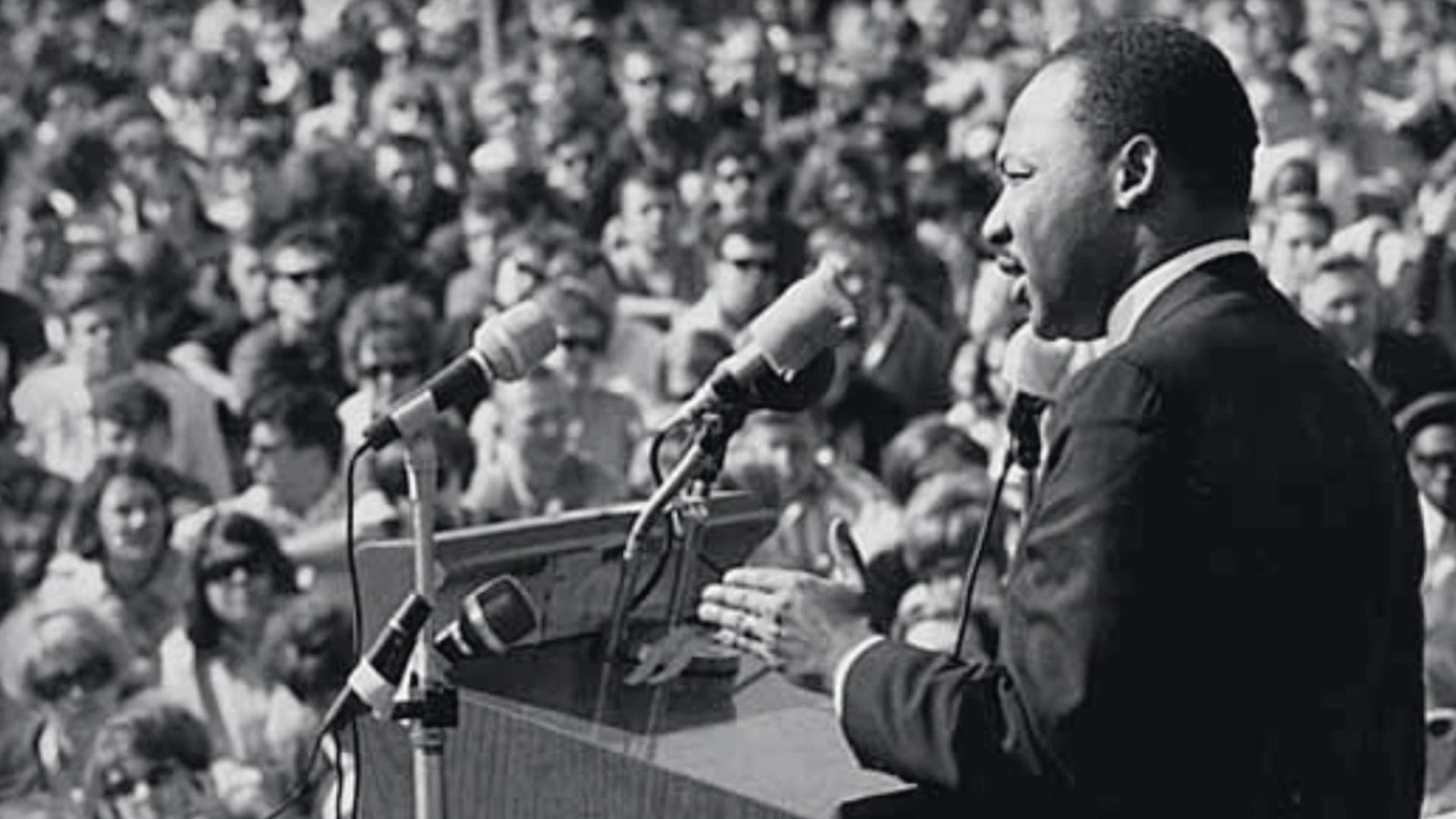
The March on Washington for Jobs and Freedom on August 28, 1963, was a historic event that drew approximately 250,000 people to the National Mall. It was one of the largest political rallies for human rights in United States history. King delivered his iconic "I Have a Dream" speech from the steps of the Lincoln Memorial.
A Vision for America
The speech is celebrated for its powerful vision of a future where people are judged by their character, not their skin color. King’s eloquent call for freedom and justice resonated across the nation and the world. It remains one of the most famous speeches ever given.
The march and the speech created immense political pressure. This momentum was instrumental in the passage of the Civil Rights Act of 1964, which outlawed discrimination based on race, color, religion, sex, or national origin.
Legislative Triumphs: The Civil Rights and Voting Rights Acts
The activism led by Martin Luther King Jr. produced concrete legislative results that transformed American society. Two of the most significant pieces of legislation were direct outcomes of the movement's pressure and public visibility. These laws dismantled the legal framework of racial segregation and discrimination.
The Civil Rights Act of 1964
Signed into law by President Lyndon B. Johnson on July 2, 1964, this act was a monumental victory. It prohibited discrimination in public places, provided for the integration of schools and other public facilities, and made employment discrimination illegal. The act is considered one of the most significant legislative achievements of the civil rights movement.
King and other leaders met with President Kennedy and later President Johnson to advocate for its passage. The political momentum generated by events like the March on Washington was crucial. The law's passage marked a fundamental shift in federal law and American social policy.
The Voting Rights Act of 1965
Following the historic Selma to Montgomery marches, which faced violent opposition, President Johnson signed the Voting Rights Act of 1965. This act aimed to overcome legal barriers at state and local levels that prevented African Americans from exercising their right to vote. It is hailed as the most effective piece of civil rights legislation ever enacted.
- Outlawed discriminatory voting practices like literacy tests.
- Provided for federal oversight of voter registration in areas with a history of discrimination.
- Led to a dramatic increase in African American voter registration.
King's strategic focus on voting rights in Selma highlighted the injustice and directly led to this pivotal law. His nonviolent campaign in Selma exposed the brutality of segregation to a national television audience.
Nobel Peace Prize and International Recognition
In 1964, at the age of thirty-five, Martin Luther King Jr. was awarded the Nobel Peace Prize. He was the youngest man to have received the award at that time. The prize recognized his exceptional leadership in the nonviolent struggle against racial inequality in the United States.
A Global Platform for Justice
In his acceptance speech in Oslo, Norway, King framed the civil rights struggle within a global context. He spoke about the interconnectedness of all humanity and the urgency of justice. He donated the entire Nobel Prize monetary award, which amounted to over $50,000, to further the civil rights movement.
I believe that unarmed truth and unconditional love will have the final word in reality.
This international honor amplified King's message and affirmed the moral power of nonviolent resistance. It brought global attention to the American civil rights movement and inspired freedom struggles around the world.
Expanding the Movement: Poverty and Peace
In the final years of his life, Martin Luther King Jr. expanded his focus beyond racial integration. He began to address issues of economic injustice and the Vietnam War. He argued that racism, poverty, and militarism were interrelated evils that needed to be confronted together.
The Poor People's Campaign
In 1968, King and the SCLC launched the Poor People's Campaign. This was a multiracial effort to gain economic justice for all poor Americans. The campaign demanded an Economic Bill of Rights, including commitments to full employment, a guaranteed income, and increased funding for affordable housing.
The campaign planned a massive demonstration in Washington, D.C., known as "Resurrection City." King envisioned uniting people across racial lines to confront systemic poverty. He stated that the movement sought to "redeem the soul of America" from the triple evils.
Opposition to the Vietnam War
King publicly denounced the Vietnam War in a powerful speech titled "Beyond Vietnam" on April 4, 1967. He called the United States government "the greatest purveyor of violence in the world today." This stance was controversial and drew criticism from many allies, including some within the civil rights movement.
- He argued that war spending drained resources from domestic anti-poverty programs.
- He connected the struggle for freedom in the U.S. to the struggle of the Vietnamese people.
- This position reflected his deepening commitment to nonviolence as a universal principle.
His moral opposition to the war alienated some supporters but solidified his role as a prophetic voice for peace and justice on a global stage.
FBI Surveillance and Harassment
Throughout his public life, Martin Luther King Jr. was the target of intense surveillance by the Federal Bureau of Investigation (FBI) under J. Edgar Hoover. The FBI's COINTELPRO program sought to discredit King and other civil rights leaders. This effort included wiretapping his phones and hotels, and attempting to undermine his influence.
The "Suicide Letter" and Psychological Warfare
In 1964, the FBI sent King an anonymous tape recording that allegedly contained evidence of extramarital affairs. Accompanying the tape was a letter suggesting King should take his own life. This letter is now considered an attempt at psychological warfare designed to destroy his will and public image.
Despite this intense pressure, King continued his work. The surveillance reveals the extent to which government agencies viewed the civil rights movement as a subversive threat. This historical fact adds a complex layer to understanding the opposition King faced beyond visible segregationists.
The Final Campaign: Memphis and the Sanitation Workers' Strike
In the spring of 1968, King traveled to Memphis, Tennessee, to support striking African American sanitation workers. The workers were protesting poor pay and dangerous working conditions. Their slogan, "I AM A MAN," embodied the struggle for human dignity and economic justice.
The Mountaintop Speech
On April 3, 1968, King delivered his last public address, now known as the "I've Been to the Mountaintop" speech. He spoke with a sense of urgency and foreshadowing, expressing no fear of death and a profound hope for the future. The speech is remembered for its powerful and prophetic conclusion.
I've seen the Promised Land. I may not get there with you. But I want you to know tonight, that we, as a people, will get to the Promised Land.
He was assassinated the following day, April 4, 1968, on the balcony of the Lorraine Motel. His death triggered a wave of grief and riots in more than 100 American cities. However, it also cemented his legacy as a martyr for justice and galvanized support for the causes he championed.
Legacy and National Commemoration
The legacy of Martin Luther King Jr. is enshrined in American law, culture, and education. His life's work continues to be studied and celebrated as a blueprint for nonviolent social change. From a federal holiday to memorials and ongoing educational initiatives, his impact is deeply woven into the national fabric.
Martin Luther King Jr. Day
Establishing a federal holiday in King's honor was a significant battle. Signed into law by President Ronald Reagan in 1983, Martin Luther King Jr. Day is observed on the third Monday of January each year. It was first observed nationally in 1986 and is the only federal holiday designated as a national day of service.
- Americans are encouraged to celebrate through "A Day On, Not a Day Off" with community service.
- The holiday provides a focal point for schools and institutions to teach about civil rights history.
- Its establishment represented a major victory in recognizing the contributions of African Americans to U.S. history.
The day serves as an annual reminder of King's teachings and the unfinished work of justice and equality.
The Martin Luther King Jr. Memorial
Located in West Potomac Park in Washington, D.C., the Martin Luther King Jr. Memorial opened to the public in 2011. It is the first major memorial on the National Mall to honor an African American citizen. The centerpiece is the "Stone of Hope" statue, depicting King emerging from a mountain.
The memorial's design is inspired by a line from his "I Have a Dream" speech: "Out of the mountain of despair, a stone of hope." Inscriptions of his quotes cover the surrounding walls. This site has become a major pilgrimage destination for visitors from around the world.
Teaching King's Legacy to New Generations
King's writings and speeches remain central to American civic education. Institutions like The King Center in Atlanta work to preserve his papers and promote his philosophy. His works are primary sources for teaching about democracy, protest, and ethical leadership.
Primary Sources and Digital Archives
Major institutions have undertaken efforts to digitize King's vast archive. The Martin Luther King, Jr. Research and Education Institute at Stanford University provides access to thousands of documents. The National Museum of African American History and Culture also houses key artifacts and offers online resources.
This digital access allows young people to engage directly with his words. Key documents for study include:
- The full text and audio of the "I Have a Dream" speech.
- The complete "Letter from Birmingham Jail."
- Transcripts of sermons like "The Drum Major Instinct."
King's Philosophy in Modern Contexts
King's principles of nonviolent resistance continue to inspire contemporary social justice movements globally. Activists for climate justice, racial equity, and economic fairness cite his methods and moral framework. His emphasis on beloved community remains a powerful vision.
Public debate often references King's legacy in discussions about systemic racism and protest. His life offers a historical case study on how to effectively challenge unjust systems through disciplined, peaceful action.
Key Statistics and Lasting Impact
The measurable outcomes of King's leadership highlight his profound effect on American society. The data reflects both the scale of his activism and the legislative changes he helped achieve.
Movement Milestones and Data
Quantifying the movement's efforts provides context for its immense scope and dedication.
- March on Washington Attendance: Approximately 250,000 people gathered in 1963, a record for its time.
- Legislative Impact: The Civil Rights Act (1964) and Voting Rights Act (1965) transformed American law.
- Arrests: King was arrested nearly 30 times for acts of civil disobedience.
- Travel and Speeches: He traveled over six million miles and gave about 2,500 speeches between 1957 and 1968.
These numbers underscore the relentless pace of his work and the massive public mobilization he helped lead.
Influence on Voting and Representation
The Voting Rights Act of 1965 had an immediate and dramatic effect. African American voter registration in the South increased significantly within just a few years. This political power paved the way for increased African American political representation at local, state, and federal levels.
The arc of the moral universe is long, but it bends toward justice.
While King often paraphrased this sentiment, it remains a touchstone for those working toward long-term social change, reminding them of the importance of perseverance.
The Enduring Relevance of Martin Luther King Jr.
Decades after his assassination, the words and work of Martin Luther King Jr. retain a powerful urgency. His life provides a masterclass in ethical leadership, strategic activism, and moral courage. In an era of continued social division, his call for a beloved community based on justice and love remains a vital guide.
Why King's Message Still Matters
King matters because he demonstrated that peaceful protest can change history. He showed that ordinary people, organized and disciplined, could confront powerful systems of oppression. His focus on human dignity, economic fairness, and global peace connects struggles across time and geography.
For young people today, studying King is not just about history. It is about learning tools for effective citizenship. His life teaches:
- The power of strategic nonviolence to achieve social goals.
- The importance of articulating a compelling moral vision.
- The necessity of expanding advocacy to include interconnected issues of race, poverty, and peace.
Conclusion: A Legacy of Hope and Action
The story of Martin Luther King Jr. is fundamentally a story of hope translated into action. From the Montgomery Bus Boycott to the March on Washington, he channeled the aspirations of millions into a transformative force. His achievements in helping to end legal segregation and secure voting rights are pillars of modern American democracy.
His later work, confronting poverty and war, reminds us that the quest for justice is never complete. King's legacy is not frozen in the past; it is a living challenge. It challenges each generation to examine its own conscience, to confront injustice wherever it exists, and to do so with the unwavering courage of nonviolent love.
The national holiday, the memorials, and the preserved archives ensure his voice continues to speak. But the truest tribute is found in the ongoing struggle for equality, in the daily acts of service, and in the commitment to building the beloved community he envisioned. Martin Luther King Jr.'s dream remains a powerful beacon, calling us toward a more just and compassionate future.

Marié Digby: From YouTube Viral Star to Independent Force
Pop singer-songwriter and multi-instrumentalist Marié Digby embodies the modern music career, building a sustainable path from viral fame to artist independence. Her story is a blueprint for how online virality combined with artistic control can forge a lasting niche in the industry.
The Making of a Modern Musician: Early Life and Influences
Marié Digby was born on April 16, 1983, and her unique cultural heritage shaped her artistic identity from the start. She was raised in both New York City and Los Angeles by an Irish-American father and a Japanese mother. This multicultural background is a key theme in understanding her music and public persona.
Musical Roots and Career Beginnings
Her early exposure to diverse environments fueled a passion for music. Digby began honing her skills as a singer-songwriter and multi-instrumentalist, often performing acoustic sets in local venues. This period of artistic development set the stage for an industry breakthrough that would come from a most unexpected place: the then-emerging video platform, YouTube.
Her multicultural family (Irish-American father, Japanese mother) and upbringing in Los Angeles influenced her identity and public biography.
The Viral Moment That Changed Everything
In 2007, Marié Digby posted a simple, stripped-down, acoustic cover of Rihanna's hit "Umbrella." The video showcased her warm vocals and skilled guitar playing against an intimate bedroom backdrop. This seemingly simple upload ignited an online phenomenon.
The Anatomy of Viral Success
The video's authentic charm resonated globally. It rapidly amassed millions of views, turning Digby into an overnight YouTube sensation. This moment is a critical case study in pre-streaming era digital fame. It demonstrated the power of social platforms to launch careers independent of traditional label machinery.
The success of her "Umbrella" cover was not just a fleeting moment of internet fame. It effectively launched her mainstream recording career and built a dedicated, ready-made online fanbase. Record labels took immediate notice, leading to a major-label deal.
Navigating the Music Industry: Major Label to Independence
Following her viral explosion, Marié Digby secured a contract with Hollywood Records. She released her major-label debut album, *Unfold*, in 2008. While this period provided wider exposure and resources, the artist's journey reflects a common trajectory for online-born talents.
The Shift to Artistic Autonomy
Like many artists who build initial audiences digitally, Digby eventually moved towards independent releases. This shift allowed for greater creative control over her music and career direction. This path from major-label exposure to independent control is a defining narrative of her professional life.
Her career showcases the evolving music business model. Artists can now leverage a direct fan connection, established online, to finance and distribute their work on their own terms.
Defining the Sound: Marié Digby's Musical Style
Marié Digby is firmly planted in the acoustic pop and singer-songwriter genres. Her music is characterized by melodic sensibility, heartfelt lyrics, and a focus on vocal intimacy. Whether performing original compositions or her signature covers, the sound is consistently authentic and personal.
Signature Elements and Lasting Appeal
- Acoustic Foundation: Guitar-driven arrangements form the core of her sound.
- Pop Melody Craft: Her songwriting exhibits a strong knack for catchy, accessible pop melodies.
- Emotional Resonance: Lyrics often explore themes of love, self-discovery, and personal reflection.
- Viral Cover Strategy: Her skillful reinterpretations of popular songs remain a hallmark of her brand.
This consistent musical identity has allowed her to maintain a loyal fanbase. Her style proves that intimate vocal performances and strong songwriting can sustain a career beyond viral trends.
Expanding the Brand: Multimedia and Acting Ventures
Marié Digby has successfully expanded her career beyond recording studios and live stages. She has built a cross-media career path that includes songwriting for others, soundtrack placements, and acting. This diversification is a smart strategy for modern creatives.
Soundtrack Success and Screen Credits
Her music has been featured in several films and television shows, providing important exposure and revenue. Notable credits include the film *No Other Woman* and the soundtrack for *Life in a Year*. The Internet Movie Database (IMDb) lists multiple credits for her, highlighting ongoing activity in this lucrative field.
Her credits on film/TV soundtracks and occasional acting roles show a cross-media career path (music placements in visual media remain important revenue and exposure sources for artists).
Digby has also taken on occasional acting roles, further showcasing her artistic range. This multimedia presence ensures multiple income streams and keeps her creatively engaged across different projects.
Sustaining a Career: Direct-to-Fan Engagement and Independence
In the modern music landscape, artistic independence is often the key to longevity. Marié Digby has masterfully transitioned from a major-label artist to a fully independent creator. She leverages a suite of digital tools to maintain a direct and profitable relationship with her audience.
Embracing the Direct-to-Fan Model
Digby actively uses platforms like Bandcamp for music sales and Cameo for personalized fan experiences. This strategy allows her to control her revenue streams without intermediary interference. It reflects a broader industry trend where artists monetize their fanbase directly.
Her official website serves as a central hub, linking to all her projects and stores. This approach ensures that she owns the primary point of contact with her supporters. This direct-to-fan monetization model is crucial for niche artists building sustainable careers.
Her official site lists Bandcamp and Cameo as active channels for music sales and fan interaction, consistent with many independent artists’ revenue strategies.
A Deep Dive into the Discography of Marié Digby
The musical output of Marié Digby showcases her evolution from a major-label hopeful to an empowered independent artist. Her work spans full-length albums, EPs, and a consistent stream of singles and covers. Each release reflects her commitment to genuine singer-songwriter expression.
Major Label Debut: Unfold (2008)
Her debut album, Unfold, introduced her to a mainstream audience following her viral success. The album featured the singles "Say It Again" and "Stupid for You," capturing her acoustic-pop sound. While under the Hollywood Records banner, this album laid the foundation for her career.
The Independent Pivot: Subsequent Releases
After her major-label period, Digby took full creative control. She has since released music independently, including the album Winter Fields. This shift allowed for a more personal and unfiltered artistic vision, resonating deeply with her core fanbase.
- Unfold (2008): Major-label debut featuring polished pop production.
- Winter Fields (2012): An independent release showcasing a matured, intimate sound.
- Your Love (2019): A single highlighting her enduring songwriting talent.
- Steady (2022): A recent release proving her continued relevance and creativity.
Her discography is a testament to her adaptability and dedication to her craft. She consistently delivers music that is both personal and relatable to her listeners.
Marié Digby's Impact on Film and Television
Beyond her recorded music, Marié Digby has built a significant presence in visual media. Her work includes songwriting credits for other artists and numerous soundtrack placements in film and TV. This diversification is a smart strategy for a 21st-century musician.
Notable Soundtrack Placements
Her songs have enhanced the emotional impact of various productions. For example, her music has been featured in movies like No Other Woman and Life in a Year. These placements provide valuable exposure and represent a stable revenue stream outside of traditional album sales.
According to IMDb, she has accumulated multiple soundtrack credits over the years. This ongoing activity demonstrates that her music remains in demand for sync licensing. It is a key component of her multifaceted career.
Explorations in Acting
Digby has also stepped in front of the camera, taking on minor acting roles. While music remains her primary focus, these appearances show her willingness to explore different creative outlets. This cross-media presence helps build a robust and resilient brand.
IMDb lists multiple soundtrack and performance credits for TV and film, indicating ongoing licensing and placement activity in visual media.
Heritage and Identity: The Influence of a Multicultural Background
The biography of Marié Digby is deeply intertwined with her unique heritage. Being the daughter of an Irish-American father and a Japanese mother has profoundly influenced her artistry. This background provides a rich layer of context to her music and public identity.
Growing Up Between Two Worlds
Raised in both New York City and Los Angeles, she experienced a blend of East and West coast cultures. Her mixed heritage has been a point of interest and discussion in profiles about her. It speaks to a broader narrative of identity in modern America.
Her story resonates with many who navigate multiple cultural identities. This aspect of her persona adds depth and relatability to her work as a singer-songwriter. It is an integral part of what makes her artistic voice distinct.
Lessons for Aspiring Artists: The Marié Digby Blueprint
The career trajectory of Marié Digby offers invaluable insights for musicians navigating the digital age. Her journey from viral fame to sustainable independence is a modern playbook. It demonstrates how to build a career on one's own terms by leveraging online tools and maintaining artistic integrity.
Building a Foundation with Authentic Content
Digby’s initial success was not the result of a massive marketing budget but of authentic performance. Her simple, heartfelt cover of "Umbrella" connected with millions because it felt real. This underscores the power of genuine artistry in cutting through the noise of the digital landscape.
Aspiring creators should focus on creating content that truly represents their voice. Building an organic fanbase through consistent, authentic work is more sustainable than chasing algorithmic trends. This foundation is crucial for long-term success.
Mastering the Business of Independence
Transitioning to an independent model requires business acumen. Digby’s use of Bandcamp, Cameo, and her official website shows a strategic approach to monetization. Understanding revenue streams like sync licensing and direct-to-fan sales is essential for modern artists.
- Own Your Platform: Maintain a central website you control.
- Diversify Income: Utilize multiple platforms for music, merchandise, and fan experiences.
- Value Your Catalog: Pursue soundtrack placements to generate passive revenue.
- Engage Directly: Use tools like Cameo to strengthen fan relationships.
This business-minded approach ensures that artistic passion is supported by a viable financial structure. It empowers artists to make a living from their craft without sacrificing creative control.
The Legacy of a YouTube Pioneer
When Marié Digby uploaded her "Umbrella" cover in 2007, YouTube was in its relative infancy as a music discovery platform. Her story is a significant chapter in the history of online music virality. She represents a first wave of artists who built a career from a single viral moment.
A Case Study in Pre-Streaming Virality
Her success occurred before the algorithmic dominance of Spotify and TikTok. It was driven by organic sharing and the sheer power of a compelling performance. This makes her experience a unique case study in how virality worked in a less saturated digital environment.
Her ability to translate that initial burst of fame into a lasting career is her most enduring legacy. It proved that a viral hit could be a launchpad, not just a fleeting moment of internet fame. This lesson remains relevant for artists today, despite the evolved platform landscape.
Digby’s early YouTube success is often cited as a case study of pre‑streaming‑era virality that translated to a sustainable niche career.
Marié Digby's Enduring Relevance
More than fifteen years after her breakout, Marié Digby continues to create and connect with fans. Her ability to remain relevant speaks to her adaptability and the strength of her artistic core. She has successfully evolved without compromising the intimate, songwriter-driven style that defined her from the beginning.
A Model of Artistic Sustainability
Her career is a blueprint for sustainable artistry in the 21st century. By balancing creative output with savvy business strategies, she has built a career that endures. She continues to release new music and engage with her audience on her own terms.
This longevity is a testament to her talent and work ethic. It demonstrates that a career built on a genuine connection with an audience can withstand the constant changes of the music industry.
Conclusion: The Marié Digby Story
The narrative of Marié Digby is a powerful example of modern musical success. It is a story that encompasses a viral breakthrough, a major-label chapter, and a successful transition to full artistic independence. Her journey highlights the changing paradigms of the music business.
Key takeaways from her career provide a roadmap for aspiring artists. The importance of authentic content, the strategic use of direct-to-fan platforms, and the value of diversified revenue streams are critical lessons. Her multicultural identity adds a unique and relatable dimension to her artistry.
Marié Digby’s legacy is not defined by a single hit but by her resilience and adaptability. She proved that an artist can navigate the complexities of the industry while staying true to their voice. Her career stands as an inspiring model of how to build a lasting, meaningful connection through music in the digital age.


Tony Hawk's Pro Skater 1 + 2: The Ultimate Remake Review
In 2020, the legendary skateboarding game franchise returned with a triumphant roar. Tony Hawk's Pro Skater 1 + 2 is not merely a nostalgia trip; it is a definitive remaster that sets a new standard for how to revitalize beloved classics. Developed by Vicarious Visions and published by Activision, this package brilliantly reimagines the groundbreaking 1999 and 2000 titles.
The game masterfully preserves the original arcade-style skateboarding gameplay that defined a generation. It combines this with stunning modern graphics, a massive 37-track soundtrack, and expanded creative tools. This review will explore why this release became an instant critical and commercial success, resonating with both old-school fans and newcomers.
The Legendary Return of a Gaming Icon
The original games revolutionized sports gaming with their fluid trick systems and iconic levels. For years, fans longed for a proper return to form after a period of series decline. Tony Hawk's Pro Skater 1 + 2 was announced in May 2020 and quickly became one of the most anticipated releases of the year.
Vicarious Visions utilized Unreal Engine to rebuild the experience from the ground up. The goal was clear: honor the precise physics and feel of the originals while delivering a visual and auditory feast for the modern era. The result is a title that feels both faithfully familiar and refreshingly new.
The game received widespread critical acclaim, earning Metacritic scores averaging over 90 on launch platforms for its flawless execution and addictive gameplay.
Complete Gameplay and Core Content
This package is incredibly comprehensive. It compiles every single level, pro skater, and game mode from the first two historic entries. Players can skate through meticulously recreated environments like the Warehouse, School II, and the legendary Skate Heaven.
Faithful Yet Enhanced Gameplay
The core arcade-style skateboarding is perfectly intact. The satisfying loop of chaining together ollies, grinds, and flip tricks to build massive combos remains utterly addictive. Vicarious Visions wisely avoided tampering with the proven formula that made the originals so special.
Subtle modern enhancements have been added, including new tricks and improved animations. These additions integrate seamlessly, offering veterans new techniques to master while maintaining the precise control and timing the series is known for. The goal-oriented structure of finding tapes, collecting SKATE letters, and achieving high scores drives relentless replayability.
Iconic Roster and Soundtrack
The game features a stellar roster of professional skaters. The classic lineup, including Tony Hawk, Steve Caballero, and Rodney Mullen, is present and accounted for. They are joined by a selection of modern skaters, bridging the generational gap.
Perhaps just as iconic as the gameplay is the soundtrack. The remake features a powerhouse 37-track lineup that blends unforgettable punk and hip-hop classics from the originals with new, fitting additions.
- Punk anthems from bands like Goldfinger and The Offspring.
- Hip-hop tracks from artists like Rage Against the Machine and Naughty by Nature.
- A perfect audio backdrop that fuels every session.
Release Timeline and Platform Evolution
Tony Hawk's Pro Skater 1 + 2 launched strategically across multiple platforms over several years. This approach allowed it to reach the widest possible audience, from console loyalists to PC enthusiasts.
Initial Launch and Next-Gen Upgrades
The game first launched on September 4, 2020, for PlayStation 4, Xbox One, and PC via the Epic Games Store. The response was overwhelmingly positive, with reports suggesting it sold over 1 million copies in its first week. The demand for a next-generation version was immediate.
On March 26, 2021, native versions for PlayStation 5 and Xbox Series X/S arrived. These were not simple backward-compatible ports; they were significant technical showcases designed to leverage the new hardware's power.
Subsequent Releases and Accessibility
The Nintendo Switch version followed on June 25, 2021, bringing portable skateboarding thrills. Finally, on October 3, 2023, the game launched on Steam for Windows PC, opening it up to a massive new player base. The Steam release is notable for frequent discounts, often around 60%, making it highly accessible.
Next-Generation Technical Enhancements
The PS5 and Xbox Series X/S versions of Tony Hawk's Pro Skater 1 + 2 deliver a truly premium experience. These enhancements demonstrate how a well-executed remaster can feel like a native next-gen title.
Visual Fidelity and Performance
Players can choose between a pristine native 4K resolution at a smooth 60 frames per second or a blisteringly smooth 120 FPS mode at 1080p resolution. The 120 FPS mode is a game-changer for a title requiring pinpoint timing and fast reactions, offering an incredibly fluid and responsive feel.
Other visual upgrades include dramatically improved shadows, realistic reflections on skatepark surfaces, and higher-resolution textures on everything from skater apparel to park objects. The combination of these elements makes the classic levels feel more alive and detailed than ever before.
Next-Gen Hardware Features
The upgrades extend beyond raw resolution and frame rate. The PlayStation 5 version utilizes the DualSense controller's advanced haptic feedback and adaptive triggers to provide subtle tactile sensations for grinds and landings. Both console versions support spatial audio for a more immersive soundscape and leverage ultra-fast SSD storage for near-instant loading times between levels.
Critically, these enhanced versions support cross-generation save progression. This allowed dedicated players to seamlessly continue their journey without losing any progress, a highly appreciated feature.
Deep Dive into Game Modes and Features
Tony Hawk's Pro Skater 1 + 2 succeeds because it is packed with content that respects players' time. Beyond the standard career tours for each game, it offers a wealth of modes designed for solo enjoyment, creative expression, and competitive play.
Solo and Career Progression
The single-player experience is the heart of the game. Players can tackle the career mode for THPS 1 and THPS 2 separately. This structure preserves the unique identity and challenge curve of each original title. Goals remain classic and compelling, from achieving high scores to finding the hidden Secret Tape.
Progression is rewarding. Completing challenges unlocks new gear, boards, and cosmetic items for your skater. A unified player level system across all modes provides long-term goals, encouraging mastery of every level and skater on the roster.
Expanded Create-A-Modes
The original create-a-skater and create-a-park tools have received massive overhauls. The create-a-skater suite offers unprecedented depth in customization. Players can design a virtual skater that truly represents their style.
- Detailed apparel and gear options from top real-world brands.
- Advanced facial and body morphing tools for unique looks.
- The ability to assign any unlocked trick to any input.
The create-a-park mode is a robust toolset that empowers player creativity. You can build elaborate multi-level skateparks with complex geometry, ramps, and rails. The online sharing functionality is seamless, allowing you to upload your creations and download thousands of parks from the community, extending replayability infinitely.
Multiplayer and Online Competition
The game features robust local multiplayer, including the classic horse and trick attack modes. The online multiplayer suite is where modern functionality shines. Players can compete in ranked matches or casual sessions.
Cross-platform play was a significant addition, uniting the player base across PlayStation, Xbox, and PC. This feature ensures healthy online lobbies and allows friends to play together regardless of their chosen platform. The leaderboard system for every level provides a constant global competition for the highest score.
The create-a-park sharing community remains highly active, with players continuously designing and sharing innovative new levels years after release.
System Requirements and Performance Analysis
From high-end PCs to the portable Nintendo Switch, Tony Hawk's Pro Skater 1 + 2 scales impressively across hardware. Understanding the performance profiles helps players choose the best platform for their experience.
PC Specifications and Settings
The Steam release opened the game to a wide range of PC configurations. The developers provided clear minimum and recommended specifications to ensure a smooth experience. The PC version is highly customizable, supporting unlocked frame rates and a variety of resolution options.
The minimum specs, as listed on Steam, are designed for playable performance on older systems:
- OS: Windows 10
- CPU: AMD FX 6300 or Intel i3-4340
- RAM: 8 GB
- GPU: AMD HD 7950 or Nvidia GTX 660
For a premium experience matching the next-gen consoles, a modern mid-range GPU and CPU are recommended. The ability to run at 120 FPS or higher on PC provides the ultimate in smoothness for trick execution.
Console Performance Breakdown
Each console version offers a distinct experience tailored to its hardware. The PlayStation 5 and Xbox Series X deliver the definitive visual and performance package with their 4K/60 FPS and 120 FPS modes. The fast SSD storage eliminates loading waits almost entirely.
The last-gen PS4 and Xbox One versions hold up remarkably well, targeting 60 FPS at 1080p with some visual compromises in texture quality and effects. The Nintendo Switch version is a commendable port, offering a solid 30 FPS experience in both docked and handheld modes, making authentic THPS gameplay truly portable for the first time.
The Cultural Impact and Lasting Legacy
The release of Tony Hawk's Pro Skater 1 + 2 was more than a successful game launch; it was a cultural event. It demonstrated the potent market for high-quality remasters that honor their source material while meeting modern expectations.
Revitalizing a Classic Franchise
The game arrived at a crucial time. The skateboarding game genre had seen a shift towards more simulation-focused titles like Session and the anticipated return of Skate. This remake proved there was still massive, pent-up demand for the over-the-top, score-focused arcade style that defined the genre's peak.
It served as a powerful corrective to the memory of the poorly received Tony Hawk's Pro Skater 5 from 2015. By focusing on flawless execution, Vicarious Visions restored player trust and reminded everyone why the series became a phenomenon in the first place.
Soundtrack as a Time Capsule and Bridge
The soundtrack curation is a masterclass in balancing nostalgia with discovery. Including the vast majority of the original songs was non-negotiable for fans. These tracks are inextricably linked to the gameplay in players' minds.
By adding new, thematically appropriate songs, the game avoided feeling like a pure relic. It created a bridge for younger players, introducing them to classic punk and hip-hop while providing a fresh audio backdrop. The 37-track list is a major selling point and a key part of the game's authentic identity.
Community and Competitive Longevity
Long after its launch, the game maintains a dedicated community. This is fueled by several key factors. The cross-platform play keeps the online multiplayer alive. The sophisticated create-a-park tools generate a constant stream of user-generated content.
The competitive scoring scene remains active, with players constantly pushing the limits of tricks and combos to climb the global leaderboards. This sustained engagement is a testament to the timeless quality of the core gameplay loop. The game has found a permanent place in the libraries of many players as a reliable "pick up and play" title.
Critical Reception and Sales Success
Tony Hawk's Pro Skater 1 + 2 was met with near-universal acclaim from critics and players alike. Reviewers praised it not just as a great remaster, but as one of the best games of its release year.
Review Scores and Accolades
The game achieved impressive aggregate scores on review websites. It holds a 90/100 on Metacritic for the PlayStation 4 version and similarly high scores across other platforms. Critics consistently highlighted its respectful treatment of the source material and the sheer volume of polished content.
Common points of praise in reviews included:
- The perfect preservation of the original gameplay feel and physics.
- The stunning visual upgrade that made classic levels feel new.
- The incredible value presented by two full games in one package.
- The smart additions that enhanced without complicating the experience.
Commercial Performance and Market Position
While Activision has not released official sales figures beyond the initial reports, industry analysts estimated the game sold several million copies across all platforms. Its strong performance is evident in its longevity on sales charts, especially during frequent discount periods on digital storefronts.
The successful Steam launch in 2023 introduced the game to a massive new audience and generated a significant sales resurgence. This performance underscores the title's broad, enduring appeal. It stands as a prime example of how to execute a faithful and successful remake in a market saturated with lesser re-releases.
The Future of the Tony Hawk's Franchise
The monumental success of Tony Hawk's Pro Skater 1 + 2 naturally sparked intense speculation about the future. Fans have been eager to see if this triumph would lead to further revitalization of the beloved franchise. The landscape, however, has been shaped by corporate changes and strategic decisions.
No Confirmed Sequels or Remasters
As of late 2025, there has been no official announcement regarding a follow-up project. This includes a potential Tony Hawk's Pro Skater 3 + 4 remaster, which is often the subject of fan requests and online petitions. The development studio Vicarious Visions, credited with the remake's excellence, was merged into Blizzard Entertainment in 2021.
This corporate absorption shifted the studio's focus away from the franchise. Without Vicarious Visions at the helm, Activision has not confirmed any plans for new entries or further HD ports. The future of the series currently relies on the sustained success of this 2020 release and sustained fan demand.
Community Hopes and Industry Trends
The gaming community continues to hold out hope. The commercial and critical performance of THPS 1 + 2 demonstrated a clear market. It aligns with broader industry trends of high-demand remakes for classic PlayStation 1 and 2 era titles. The appetite for quality arcade sports games also remains healthy.
Wikis and fan forums actively track any rumor or hint of a new project. The situation underscores a key point: the ball is in Activision's court. They possess a proven blueprint for success and a ready, eager audience. The decision to greenlight a sequel or another remaster is a business calculation based on this existing data.
The merger of Vicarious Visions into Blizzard remains a pivotal event, leaving the franchise's future direction in a state of uncertainty despite a perfect modern template for success.
Why This Remaster Stands the Test of Time
Years after its initial launch, Tony Hawk's Pro Skater 1 + 2 continues to be recommended and played. Its longevity is not an accident. It is the result of specific, deliberate design choices that separated it from cash-grab remasters.
Gameplay as the Unshakeable Foundation
Above all else, the developers understood that the gameplay was sacred. They prioritized the feel of the controls and the physics of the tricks above all other enhancements. A beautiful game that didn't control like the originals would have been rejected by the core fanbase instantly.
This commitment to authenticity meant players could rely on muscle memory from decades ago. It created an immediate connection and eliminated any frustrating re-learning period. The game is fun first, a visual showcase second—a priority order that many modern remakes get wrong.
Content Richness and Value Proposition
The package offers exceptional value. Delivering two complete, full-length games with all their original levels and goals is a significant offering. When you factor in the upgraded create-a-modes, the online multiplayer suite, and the massive soundtrack, the price point at launch—and especially during frequent sales—represents a major bargain.
This completeness discourages the predatory monetization practices common in modern games. There is no season pass fracturing the community, no essential gameplay tricks locked behind microtransactions. You purchase a definitive, complete package, which fosters immense player goodwill.
Final Verdict and Who Should Buy It
Tony Hawk's Pro Skater 1 + 2 is a landmark release that transcends its status as a mere remaster. It serves as the definitive way to experience two of the most influential sports games ever created.
Target Audience Breakdown
This game is an essential purchase for several distinct groups of players. Its broad appeal is a key component of its success.
- Nostalgic Veterans: If you spent countless hours in the School II or the Hangar in the early 2000s, this is a mandatory buy. It is the recreation you have been dreaming of for years.
- Modern Gamers and Newcomers: Players with no prior experience will find a polished, accessible, and incredibly fun arcade sports title. It stands on its own merits without requiring nostalgia glasses.
- Fans of Score Attack Games: Anyone who enjoys perfecting runs, climbing leaderboards, and chasing high scores will find near-infinite replayability here.
- Creative Players: The deep create-a-park tools offer a sandbox for imaginative players to build and share their ultimate skateboarding playgrounds.
Platform Recommendation
For the absolute best experience, the PlayStation 5 or Xbox Series X/S versions are unmatched. The combination of 120 FPS smoothness, instant loading, and enhanced visuals is transformative. The PS5's DualSense controller features add an extra layer of immersion.
PC players on Steam can achieve similar or better performance with capable hardware and enjoy the flexibility of mods. The Nintendo Switch version is a miracle of portability, sacrificing some frame rate and visual fidelity for the unique ability to play a full-fledged THPS experience anywhere. There is no bad platform choice, only a choice based on your performance priorities.
Conclusion: The Blueprint for a Perfect Remake
Tony Hawk's Pro Skater 1 + 2 achieves a rare trifecta. It faithfully honors its legendary source material, meaningfully enhances it for the modern era, and stands confidently as a spectacular game in its own right. Vicarious Visions executed a masterclass in respectful renovation.
The game proved that deep-seated nostalgia, when paired with genuine quality and care, can lead to monumental success. It delivered the classic arcade skateboarding gameplay with pristine precision. It wrapped that gameplay in a stunning visual package and an iconic, expanded soundtrack. It then supported that core with robust creation tools and cross-platform online play.
While the future of the franchise remains uncertain, the legacy of this release is secure. It rescued the series' reputation and provided a generation of gamers with the chance to experience—or re-experience—gaming magic. It is more than a collection of two old games; it is a celebration of a cultural touchstone and a testament to timeless game design. For anyone seeking pure, unadulterated fun, Tony Hawk's Pro Skater 1 + 2 is not just a recommendation; it is an essential play.
Whether you are revisiting your youth or stepping onto a virtual deck for the first time, this game guarantees one thing: you will be searching for that perfect line, chasing that next high score, and feeling the sheer joy of landing a massive combo. In the end, that feeling is exactly what made the originals legendary, and it is that feeling this remake captures and delivers flawlessly.


Matt Stonie: Competitive Eating Legend and YouTuber
Matt Stonie is an American competitive eater who shocked the world by dethroning an eight-time champion. Born on May 24, 1992, this San Jose, California native is a powerhouse in Major League Eating (MLE). He is best known for his stunning 2015 victory at the Nathan's Hot Dog Eating Contest. Stonie has built a massive online empire, blending athletic eating with entertaining YouTube content.
Early Life and Rise to Competitive Eating Fame
Matt Stonie's journey into the world of professional eating began at a young age. While studying nutrition at Mission College, he discovered his unique talent. He maintains a remarkably lean physique of around 120-130 pounds, defying expectations for someone in his sport.
The Beginning of Megatoad
Stonie made his Major League Eating debut in 2011. His first significant win came even earlier, at a 2010 lobster roll contest. His nickname, "Megatoad", is inspired by a character from Super Mario Bros. This name perfectly captures his explosive and consistent eating style.
His combination of speed and endurance quickly made him a rising star. Experts recognized his potential to challenge the established champions. Stonie's methodical approach set him apart in a sport often perceived as pure gluttony.
The Historic 2015 Nathan's Hot Dog Eating Contest
July 4, 2015, is a landmark date in competitive eating history. On this day, Matt Stonie achieved what many thought was impossible. He defeated the legendary Joey Chestnut, who had held the title for eight consecutive years.
Stonie consumed 62 hot dogs and buns in the 10-minute contest, beating Chestnut's 60. This victory was widely reported as a massive upset, solidifying Stonie's place as a top-tier eater.
Anatomy of an Upset Victory
While the media called it an upset, insiders saw it coming. Stonie's training focused on a powerful start and unwavering consistency. His deep understanding of nutrition and body mechanics gave him a critical edge. This win propelled him to international fame and the number two rank in MLE.
Matt Stonie's Incredible World Records
Beyond hot dogs, Matt Stonie holds numerous world records that showcase his versatility. These records highlight his ability to consume massive quantities of diverse foods under timed conditions.
- 10 pounds of spaghetti in 8 minutes (2015)
- 20 pounds 13 ounces of pumpkin pie in 8 minutes (2014)
- 14.5 pounds of birthday cake in 8 minutes (2015)
- 20.5 pounds of chicken spiedies in 10 minutes (2017)
- 85 MoonPies in 8 minutes (2016)
At his peak, he held between 8 and 14 official records simultaneously. His 20+ pound pumpkin pie record is often cited as one of his most formidable achievements.
Building a YouTube Empire
Matt Stonie's influence extends far beyond the competitive stage. His YouTube channel, @mattstonie, is a global phenomenon. With over 16.4 million subscribers and hundreds of videos, he has revolutionized food content.
His videos feature everything from classic eating challenges to creative stunts. One popular video features him running a 40-yard dash while consuming food. This blend of athleticism, entertainment, and sheer spectacle attracts a massive, loyal audience.
The Formula for Viral Success
Stonie's success lies in making competitive eating accessible and fun. He transforms professional eats into engaging, often humorous, content. This approach has made him one of the most recognizable figures in the online food space. His channel continues to grow, proving the enduring appeal of his unique brand.
Matt Stonie's Training and Nutrition Strategy
Contrary to popular belief, Matt Stonie does not maintain his 130-pound frame by constantly overeating. His approach to training is surprisingly disciplined and strategic. He leverages his formal education in nutrition to prepare his body for extreme challenges. This scientific approach separates him from many competitors in the field.
The Science Behind the Stomach
Stonie emphasizes the importance of rhythm and technique over brute force. He trains his stomach capacity selectively, avoiding practices that could cause long-term harm. His training focuses on expanding gastric tolerance for specific food types before a contest. This method allows him to compete at an elite level while prioritizing his health.
He has famously described the toughest challenges as those involving unusual textures or flavors. For example, he has cited cow-brain tacos as a particularly difficult feat. His ability to mentally and physically prepare for such diverse foods is a key component of his success. This mental fortitude is as crucial as his physical capacity.
The Business of Being Matt Stonie
Beyond competitions and YouTube ad revenue, Matt Stonie has built a multifaceted business empire. His fame allows him to command significant fees for corporate events and endorsements. He works with agencies to book personal appearances, virtual meet-and-greets, and sponsored content deals. This diversification makes him one of the most financially successful figures in his sport.
Brand Partnerships and Public Appearances
Stonie's relatable personality and clean image make him an attractive partner for brands. He has collaborated with food companies, beverage brands, and entertainment outlets. These partnerships often blend seamlessly with his YouTube content, providing value to both the brand and his audience. His ability to engage fans directly is a powerful asset.
Public appearances at fairs, festivals, and corporate gatherings are a staple of his income. Fans flock to see the celebrity eater in person, where he often performs demonstration eats. These events solidify his connection with his fanbase and generate significant publicity. They are a testament to his widespread appeal beyond the digital world.
Life Outside of Competitive Eating
While eating is his profession, Matt Stonie leads a balanced life away from the camera. He resides in Las Vegas, Nevada, having moved from his hometown of San Jose. He maintains a relatively private personal life, though he occasionally features his younger brother, Morgan, in his content.
Maintaining a Healthy Lifestyle
Stonie's daily diet when not competing is remarkably normal and balanced. He applies his nutrition knowledge to eat healthily and stay fit. This disciplined approach is essential for recovering from the physical stress of competitive events. It proves that his massive consumption is a controlled performance, not a daily habit.
He enjoys a variety of hobbies and interests that have nothing to do with food. This balance helps him maintain a healthy perspective on his unique career. By separating his professional and personal life, he avoids burnout. This sustainability is key to his long-term success in a demanding field.
Analysis of Major League Eating Ranking and Rivalries
Matt Stonie's official rank as the number two eater in Major League Eating history is a significant achievement. This ranking is based on a points system that considers performances across numerous sanctioned events. His consistent placement near the top underscores his dominance in the sport over many years.
The Storied Rivalry with Joey Chestnut
The competition between Stonie and Joey Chestnut is one of the greatest rivalries in competitive eating. Their 2015 showdown at Nathan's is the stuff of legend. While Chestnut has reclaimed the top spot, Stonie remains his most credible challenger. The dynamic between them pushes both athletes to new heights.
Stonie has openly expressed his desire to reclaim the hot dog eating title, keeping the rivalry alive and fueling fan anticipation for a potential rematch. This ongoing competition is a major draw for the sport.
Other notable eaters like Sonya Thomas have also provided compelling competition. However, the Stonie-Chestnut narrative dominates the modern era of Major League Eating. Their matchups are analyzed for strategy, pacing, and mental warfare. This rivalry has been instrumental in popularizing competitive eating as a serious sport.
Breaking Down the World Records
Matt Stonie's world records are not just about quantity; they are feats of specific engineering. Each record required a unique strategy tailored to the food's properties. Let's examine the techniques behind some of his most famous records.
The 10-Pound Spaghetti Record
Consuming 10 pounds of spaghetti in 8 minutes is a challenge of hydration and texture. Spaghetti expands significantly when wet, making pacing critical. Stonie's strategy likely involved managing the sauce-to-pasta ratio to avoid early fullness. This record demonstrates his ability to handle bulky, absorbent foods efficiently.
The 20 lb 13 oz Pumpkin Pie Record
This record, set in 2014 against Joey Chestnut, is considered one of his most impressive. Pumpkin pie is dense and rich, requiring a different approach than watery foods. Stonie's victory here, even before his famous hot dog win, signaled his arrival as a top contender. This record remains a benchmark in the sport.
- Food Type: Dense, sweet, and fatty
- Challenge: Overcoming richness and calorie density
- Significance: Early demonstration of ability to beat Chestnut
The 85 MoonPies Record
MoonPies present a unique challenge due to their dry, cake-like texture and marshmallow filling. Eating 85 in 8 minutes requires a strategy to manage mouth dryness. Stonie would have needed a precise liquid management technique to break down each piece quickly. This record highlights his versatility with dry, baked goods.
The Future of Matt Stonie's Career
As Matt Stonie progresses in his career, his focus appears to be strategically shifting. While he remains an active member of Major League Eating, he competes more selectively in high-profile events. His primary platform is now undoubtedly his massively successful YouTube channel. This allows him to control his schedule and engage directly with his global audience.
Potential Return to Peak Competition
Stonie has not ruled out a full-time return to the competitive circuit. He has explicitly stated his goal to reclaim the Nathan's Hot Dog Eating Contest title. The potential for another legendary showdown with Joey Chestnut remains a tantalizing prospect for fans. His disciplined training and nutritional knowledge give him a foundation for a successful comeback whenever he chooses.
The landscape of competitive eating continues to evolve, with new challengers emerging. Stonie's experience and proven track record position him as a perpetual threat. His ability to balance online content creation with peak physical preparation will be key. The future likely holds a mix of selective competitions and expanded digital ventures.
Matt Stonie's Impact on Popular Culture
Matt Stonie's influence extends far beyond the confines of competitive eating. He has become a recognizable figure in mainstream popular culture. His success story—a young, slim nutrition student defeating a giant—is inherently compelling. He has demystified competitive eating, presenting it as a blend of sport, science, and entertainment.
Redefining the Image of a Competitive Eater
Stonie has fundamentally changed the public perception of what a competitive eater looks like. His lean 130-pound physique shatters the stereotype of the overweight glutton. This has made the sport more accessible and intriguing to a wider, younger audience. He proves that the key to success is technique and training, not just size.
His media appearances and viral YouTube content have brought competitive eating to millions who would never watch a traditional contest. By blending athleticism with entertainment, he has created a new genre of content. This cultural impact is arguably as significant as his contest victories. He is not just a participant in the sport; he is one of its most effective ambassadors.
Key Takeaways from Matt Stonie's Journey
The story of Matt Stonie offers valuable lessons that transcend the world of competitive eating. His career is a masterclass in strategy, discipline, and personal branding. He turned a unique talent into a sustainable and diverse career empire.
- Master Your Craft: Stonie's success is built on relentless practice and a deep understanding of his body's mechanics.
- Embrace Technology: He leveraged YouTube to build a global platform independent of traditional sports media.
- Defy Stereotypes: He proved that success can come in any package, challenging preconceived notions about his sport.
- Prioritize Health: Despite his profession, he maintains a balanced lifestyle, showing that performance and well-being can coexist.
Conclusion: The Legacy of Megatoad
Matt Stonie, the man known as Megatoad, has cemented his place as a legend. His stunning 2015 victory at the Nathan's Hot Dog Eating Contest is an iconic moment in sports history. Beyond that single achievement, he has built a lasting legacy through his numerous world records and his unprecedented digital influence.
He stands as the definitive number two ranked eater in the world, a testament to his consistent excellence over more than a decade. His YouTube channel, with its millions of subscribers, serves as a dynamic archive of his incredible feats. Stonie represents the modern athlete-entrepreneur, successfully navigating both competition and business.
Matt Stonie's journey demonstrates that with the right combination of talent, strategy, and determination, it is possible to redefine a sport and build an empire. His story continues to inspire fans around the world, proving that even the most unconventional dreams are achievable. The legacy of Megatoad is one of groundbreaking achievement and enduring popularity.