The Unprecedented Impact of Half-Life 2
When Valve Corporation unleashed Half-Life 2 upon the world in November 2004, it ushered in a new era of video game storytelling and gameplay innovation. For a game that was in development for five years from its inception in 1999, Half-Life 2 became more than just another entry in the already prestigious first-person shooter genre. Its advanced physics, intricate plot, and unparalleled player agency made it a landmark title that would go on to influence countless games and multimedia properties.
At its core, Half-Life 2 is fundamentally tied to its setting and narrative. The game's dystopian Eastern European city, City 17, serves as both a playground and a backdrop for an epic storyline. Under the brutal rule of the alien Combine Empire, players take on the role of Gordon Freeman, a scientist whose peaceful life is upended when he is arrested on false charges. As the Combine begin to tighten their grip over City 17, Gordon must join forces with the resistance to challenge this invasive and oppressive force.
The Source engine, developed specifically for this game, allowed Valve to push the boundaries of what was possible in terms of physics and AI. Characters react realistically to Gordon's actions; objects in the environment are breakable and interactable. These innovations were not just superficial—they deeply affected the gameplay experience. Breakable objects could be used strategically, while the physics-engine-driven combat created a sense of realism that was unprecedented in first-person shooters at the time.
But perhaps the most revolutionary aspect of Half-Life 2 is how it seamlessly integrates story elements without reliance on traditional cutscenes. Traditional cutscenes often feel like a necessary interruption in the flow of gameplay, but Valve's designers aimed to create a more immersive experience where narrative and gameplay merge effortlessly. This approach, known as environmental storytelling, placed the onus on the player to deduce the plot from surroundings and interactions rather than being spoon-fed through exposition.
The implementation of environmental storytelling is perhaps best exemplified in the early levels of the game. Through subtle nods and contextual clues, players can piece together hints about the Combine invasion and Gordon's mission. This method encourages active participation from the player, fostering a sense of agency that permeates every aspect of the game. Moreover, it creates a more engaging and memorable experience compared to traditional dialogue-heavy narratives.
Half-Life 2's emphasis on player agency also extends to the way the game handles camera angles and perspective. Unlike many games of its time, HL2 allows players to look around freely, explore the environment, and adjust their view as needed. This freedom to manipulate the perspective enhances immersion and gives players a greater sense of control over their experience. It's a philosophy that has since become commonplace in modern game design but was groundbreaking in 2004.
The game's impact extends beyond just the mechanics and storytelling, however. Its integration with Valve's Steam platform marked a significant milestone in digital distribution. Initially launched as a way to bypass the physical limitations of retail gaming, Steam rapidly evolved into a platform that not only served as a distribution channel but also as a hub for game updates, community features, and multiplayer functionality. This was a pivotal moment for both Valve and the broader gaming industry, signaling the dawn of an era where digital platforms would play a central role in how games were accessed and played.
The success of Half-Life 2 on Steam set the stage for future titles to leverage the platform's strengths, including easy content updates, community features, and a wide array of additional content. It paved the way for modern DRM-free models and demonstrated the viability of digital distribution even in the face of legal challenges and skepticism. While there were initial concerns from creators and gamers alike, the positive reception of titles like Half-Life 2 helped solidify Steam's place as a cornerstone of the digital gaming landscape.
The critical and commercial success of Half-Life 2 further cemented its place in gaming history. It won numerous accolades, including the prestigious Game of the Year award from PC Gamer magazine, and set a new standard for narrative design, player agency, and environmental storytelling. The game's influence can still be felt in contemporary titles, particularly those that strive for a balance between compelling narrative and immersive gameplay.
The enduring legacy of Half-Life 2 does not stop there, however. Over the past two decades, the game's impact has been felt far beyond the confines of its own story and mechanics. Fan communities have been instrumental in preserving and celebrating the game's legacy. Projects like the Black Mesa Remake, which aims to update the original Half-Life, draw inspiration directly from HL2. These mods not only enhance the visual fidelity of the original game but also incorporate some of the design principles that made HL2 so revolutionary.
The lasting appeal of Half-Life 2 lies in its ability to remain relevant and engaging long after its initial release. From its advanced physics and narrative ingenuity to its innovative gameplay mechanics, the game continues to inspire both developers and players. As we move forward, Half-Life 2 stands as a testament to the potential of video games as a medium capable of telling rich, immersive stories while offering players a level of agency and control previously unseen in the industry.
As Valve looks back on the 20th anniversary of Half-Life 2, it's clear that the game's impact extends far beyond the game itself. It represents not just a high point in gaming history but a transformative moment that reshaped the very contours of how games are made, distributed, and experienced.
Community and Modding Legacy
The Half-Life community, particularly passionate fans of HL2, has remained vibrant and engaged over the years. They contribute to preserving and enhancing the game's legacy through various modding efforts and fan campaigns. One notable example is Black Mesa: Reborn, which seeks to update the original Half-Life by incorporating many of the innovations present in Half-Life 2. These mods not only provide modernized graphics and improved performance but also include updated physics and gameplay mechanics that align closely with Valve's advancements in HL2.
The Black Mesa Remake is just one facet of the extensive modding culture surrounding Half-Life 2. Fans have crafted countless mods and maps, extending the life and utility of the game well beyond its initial release. These mods range from simple graphical fixes to elaborate new campaigns filled with new levels, enemies, and puzzles. The level editor tools provided with HL2 have enabled enthusiasts to create entire new worlds and experiences, many of which stand toe-to-toe with official content in terms of quality and depth. This culture of modding has not only kept the game fresh and relevant but has also fostered a sense of community among developers and players alike.
The longevity of Half-Life 2 is also evident in fan-created remaster projects. Projects like the SourceMod community have ensured that the game remains playable on modern hardware and operating systems. These efforts help maintain compatibility with the latest hardware and prevent the game from becoming obsolete due to technological advancements. The continuous stream of updates and patches ensures that players can enjoy the game just as it was intended, preserving the unique experience and atmosphere that Valve originally crafted.
In addition to modding, the community has been instrumental in maintaining and expanding upon the game's assets. Fan art, mod videos, and detailed walkthroughs have all contributed to the broader cultural significance of HL2. The GameFAQs and Forge websites provide extensive resources for players to learn and share tips, making the game more accessible and enjoyable for both newcomers and longtime fans. The community has created tutorials, strategy guides, and detailed walkthroughs that have helped hundreds of thousands of players navigate the game's challenging levels and complex puzzles.
Linguistic and Technical Innovations
Beyond its artistic and narrative aspects, Half-Life 2 pushed the boundaries of technical innovation. The Source engine, in particular, was revolutionary in how it handled physics and AI. By introducing realistic interactions with the environment, such as breakable objects and dynamic destruction, Valve created a game world that felt alive and ever-changing. This level of detail was achieved through sophisticated physics simulations that allowed objects to behave naturally under different conditions. For example, walls could crumble under heavy gunfire, and vehicles could be damaged in intricate ways, reflecting real-world physics principles.
The Source engine went beyond just environmental simulations; it also revolutionized the way AI entities reacted to the player and their environment. NPCs in HL2 were imbued with advanced AI behaviors, giving them the capacity to engage in complex dialogues, respond to player actions, and coordinate their movements. This resulted in a far more dynamic and responsive environment, where the actions of the player continuously influenced the behavior of non-player characters. This level of interactivity was a significant departure from the static AI seen in earlier games and laid the groundwork for more sophisticated AI design in future titles.
Achievements in real-time rendering and texture mapping further enhanced HL2's visual fidelity. The game featured highly detailed textures, dynamic lighting, and shadows that created a rich and immersive atmosphere. For instance, the game's night scenes were rendered in such a way that the lighting from street lamps and torches cast believable shadows and created a sense of tension and dread. Similarly, dynamic weather effects added depth and variety to the game world, ensuring that each mission felt distinct and engaging.
Influence on Modern Game Design
The influence of Half-Life 2 on modern game design cannot be overstated. Many contemporary titles have drawn inspiration from its narrative and gameplay philosophies. The seamless blend of story and gameplay, combined with intuitive controls and interactive environments, has become a benchmark for developers aiming to create engaging and immersive game experiences.
Narratively, the environmental storytelling techniques employed in HL2 have inspired countless games. Titles such as The Last of Us, Cuphead, and Hollow Knight have all embraced similar methods of world-building and player exploration. These games encourage players to interact with their surroundings, solving puzzles and discovering story elements through subtle clues and detailed environments. The ability to make the player feel as if they are truly experiencing the world of the game, rather than simply watching a pre-scripted narrative unfold, is a direct result of HL2's innovative approach.
Technologically, HL2 has also paved the way for more advanced physics engines and AI systems. Developers today often utilize similar physics simulations for interactive environments, and sophisticated AI systems that allow for more realistic and responsive NPC behavior. Games like Overstrike and Predator have incorporated elements of the Source engine's advanced physics into their designs, creating games that feel dynamic and responsive. This is a testament to how HL2 set the stage for subsequent advancements in game technology.
In terms of gameplay philosophy, the emphasis on player agency and freedom within a linear narrative has influenced modern game design. Titles like Gears of War, Mafia II, and Control have all incorporated elements of player choice and strategic gameplay while maintaining structured story arcs. The ability to control camera angles, pace, and explore the environment freely has become a standard feature in many modern games, thanks to HL2's pioneering approach.
Future Implications and Reflections
As Half-Life 2 looks towards its continued legacy, it's worth contemplating its future implications. The game's influence on modern game design and development means that players and developers alike will continue to be inspired by its principles for years to come. The lessons learned from Valve's approach to narrative, physics, and gameplay are timeless, ensuring that HL2's impact will endure.
The modding culture and support from Valve itself demonstrate the community's dedication to keeping the game alive and thriving. Whether through official updates or community-driven projects, there is a palpable excitement around maintaining and evolving HL2. This commitment to preserving and enhancing the game speaks to its enduring relevance and the deep connection that players and developers have to its legacy.
Looking ahead, the influence of Half-Life 2 will likely be felt in upcoming titles and innovative game design. Developers will continue to explore and refine the principles of environmental storytelling, player freedom, and advanced physics, all heavily informed by the groundbreaking work done in HL2. As the gaming industry evolves, the innovations introduced by HL2 will continue to set the bar for what is possible in interactive entertainment.
In conclusion, Half-Life 2 remains a towering achievement in video game history. Its narrative prowess, technical sophistication, and influential design philosophy ensure that it will continue to inspire and challenge game developers and players alike. As we celebrate its 20th anniversary, HL2 stands not just as a testament to past innovations but as a guiding light for future creativity in the field of interactive entertainment.
Reflections on Gameplay and Legacy
The core gameplay mechanics of Half-Life 2 are still celebrated today for their precision and depth. The gun control system, for instance, has been praised for its fluidity and responsiveness. The dual wielding mechanic, allowing Gordon to switch between his gravity gun and other weapons swiftly, adds to the tactical complexity of combat encounters. Additionally, the use of the grapplegun and the ability to attach objects to surfaces offer unique and intuitive methods for exploring the game world and solving puzzles. These mechanics are so well-integrated that they feel natural and second nature to most players, despite their complexity.
The puzzles in Half-Life 2, often requiring players to think creatively about the environment and the tools they have at their disposal, stand out as a highlight of the game. Puzzles frequently involve physics-based challenges, asking players to manipulate objects in specific ways to progress. One memorable example is the "Gravity Box" puzzle, where players must use the gravity gun to move objects and solve intricate riddles. These elements combine to create a sense of mastery and accomplishment, reinforcing the game's emphasis on player agency and problem-solving skills.
The overall pacing of Half-Life 2 is another standout feature. The game expertly balances the intensity of combat situations with moments of reprieve, such as exploration and puzzle-solving. This careful pacing ensures that the entire experience remains engaging throughout. The linear narrative structure, while providing clear导向策略。
3. **市场调研与分析**:
- **用户反馈**:收集并分析玩家对新策略的反馈,了解用户满意度、偏好和改进建议。
- **竞争对手分析**:研究竞争对手的定价策略和市场动向,确保新策略在竞争中保持竞争力。
- **市场需求分析**:评估目标市场的容量和增长潜力,以及潜在客户的消费习惯。
结合这些步骤,游戏发行公司的决策过程可以在以下方面进行调整:
1. **加强与用户的互动**:设立论坛、社交媒体账户和其他渠道,直接听取玩家意见和建议。
2. **优化用户体验**:根据用户反馈及时调整游戏内的各项功能和体验设置,提升用户满意度。
3. **灵活调整市场策略**:根据市场调研结果,适时调整定价策略、广告投放和促销活动。
4. **持续监测反馈**:建立常态化的用户反馈机制,长期跟踪产品表现和市场需求变化。
通过这些措施,可以更好地实现游戏产品的长期成功和品牌发展。



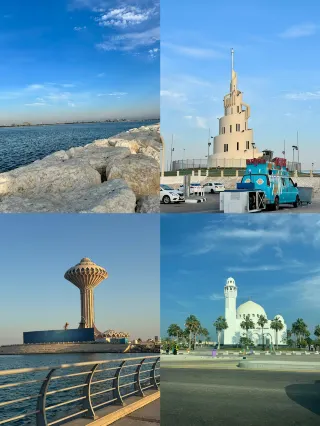
Discovering Dammam: The Gateway to Saudi Arabia's Eastern Province
Introduction to Dammam
Dammam, the vibrant capital of Saudi Arabia's Eastern Province, is a bustling metropolis that serves as the administrative hub for the region. Known for its modern skyline, rich cultural heritage, and strategic economic importance, Dammam is a city that seamlessly blends tradition with progress. Located along the Persian Gulf, this coastal city is part of the Dammam metropolitan area, which also includes the nearby cities of Dhahran and Al Khobar. Together, they form a dynamic urban center that attracts business travelers, tourists, and expatriates alike.
A Brief History of Dammam
The history of Dammam dates back to the early 20th century when it was a small fishing village. The discovery of oil in the region in 1938 transformed Dammam into one of Saudi Arabia's most important cities. The first commercial oil well, known as Dammam No. 7, marked the beginning of the Kingdom's oil industry, which remains the backbone of its economy today. Over the decades, Dammam has grown rapidly, evolving into a modern city with world-class infrastructure, educational institutions, and healthcare facilities.
Geography and Climate
Dammam is situated on the eastern coast of Saudi Arabia, bordered by the Persian Gulf to the east. The city's coastal location provides it with a unique climate characterized by hot summers and mild winters. Summer temperatures often soar above 40°C (104°F), while winters are more pleasant, with temperatures ranging between 10°C (50°F) and 25°C (77°F). The city's proximity to the sea also means that humidity levels can be high, especially during the summer months. Despite the challenging weather conditions, Dammam's well-planned urban areas and green spaces offer residents and visitors a comfortable living environment.
Economic Significance
Dammam is a key player in Saudi Arabia's economy, primarily due to its association with the oil and gas industry. The city is home to the Saudi Aramco headquarters, the world's largest oil company, which operates in nearby Dhahran. Additionally, the King Abdulaziz Port in Dammam is the largest port in the Persian Gulf and a vital gateway for trade in the region. The city's economy is further diversified with sectors such as manufacturing, finance, and retail contributing significantly to its growth. The presence of the Dammam Industrial City, which houses numerous factories and industrial facilities, underscores the city's role as an industrial powerhouse.
Cultural and Social Life
Despite its modern outlook, Dammam retains a strong connection to Saudi culture and traditions. The city offers a variety of cultural experiences, from traditional souks to contemporary art galleries. The Dammam Regional Museum is a must-visit for those interested in the region's history and heritage, showcasing artifacts and exhibits that highlight the Eastern Province's past.
Social life in Dammam revolves around family and community. The city boasts numerous parks, beaches, and recreational facilities where families gather for picnics and outdoor activities. The Coral Island, also known as Marjan Island, is a popular destination for locals and tourists, offering stunning views of the Gulf and opportunities for water sports.
Tourist Attractions
Dammam is home to several attractions that cater to a wide range of interests. The Half Moon Bay, located just outside the city, is a favorite spot for beachgoers and water sports enthusiasts. The bay's crescent-shaped coastline provides a picturesque setting for relaxation and adventure.
For shopping enthusiasts, the Marina Mall and Al Rashid Mall offer a mix of international and local brands, along with entertainment options such as cinemas and food courts. The iconic King Fahd Park, one of the largest parks in Saudi Arabia, is another highlight, featuring lush greenery, playgrounds, and a large lake.
Education and Healthcare
Dammam is a hub for education and healthcare in the Eastern Province. The city is home to the Imam Abdulrahman Bin Faisal University, which offers a wide range of academic programs. Several international schools also operate in Dammam, catering to the expatriate community.
Healthcare facilities in the city are among the best in the region, with hospitals such as the Dammam Medical Complex providing state-of-the-art medical services. The presence of specialized clinics and healthcare centers ensures that residents have access to quality healthcare.
Transportation and Connectivity
Dammam is well-connected by road, air, and sea, making it easily accessible from other parts of Saudi Arabia and beyond. King Fahd International Airport serves as the main airport for the region, offering domestic and international flights. The city's public transportation system includes buses and taxis, while the Saudi Railways Organization operates train services connecting Dammam to Riyadh and other major cities.
Future Prospects
As part of Saudi Arabia's Vision 2030 initiative, Dammam is poised for further growth and development. The government's focus on diversifying the economy and enhancing infrastructure is expected to bring new opportunities to the city. Projects such as the King Salman Energy Park (SPARK) aim to boost the industrial sector, while initiatives to promote tourism are set to increase the city's appeal as a destination.
With its strategic location, robust economy, and rich cultural heritage, Dammam continues to shine as a prominent city in Saudi Arabia. Whether you're a business traveler, a history enthusiast, or a leisure seeker, Dammam offers something for everyone.
The Vibrant Cuisine of Dammam
One of the highlights of visiting Dammam is indulging in its rich and diverse culinary scene. Influenced by Saudi traditions as well as international flavors, the city offers a delightful gastronomic experience. Traditional Saudi dishes such as Kabsa (spiced rice with meat), Mandi (slow-cooked rice and meat), and Harees (a wheat and meat porridge) are widely available. Seafood also plays a significant role in local cuisine, thanks to the city's coastal location. Freshly caught fish, shrimp, and crabs are often grilled or fried and served with aromatic rice and spicy sauces.
For those craving international flavors, Dammam boasts an array of restaurants serving Lebanese, Indian, Turkish, and Western dishes. The Al Khobar Corniche and the upscale dining options in King Fahd Causeway offer gourmet experiences with stunning waterfront views. Coffee culture is also thriving in Dammam, with numerous cafés serving traditional Arabic coffee (gahwa) alongside modern espresso drinks.
Traditional Markets and Modern Shopping
Shopping in Dammam is a unique experience that combines traditional markets, known as souks, with modern retail centers. The Dammam Souq, or Old Market, is a bustling area where visitors can browse through stalls selling spices, perfumes, textiles, and handmade crafts. Bargaining is customary here, making it an exciting place to shop for souvenirs.
For a more contemporary shopping experience, the city’s malls provide everything from luxury brands to entertainment options. Marina Mall, the first mall built in Dammam, features international retailers, amusement rides, and a scenic marina view. Al Rashid Mall, another major shopping destination, includes a cinema, hypermarkets, and a variety of dining outlets.
Leisure and Recreational Activities
Dammam offers a wide range of recreational activities for residents and visitors. Families often spend weekends at Half Moon Bay, where private beaches and resorts offer relaxation and water sports such as jet skiing, banana boat rides, and diving. The newly developed King Abdullah Park is another hotspot, featuring landscaped gardens, water fountains, and a large play area for children.
Sports enthusiasts can enjoy well-maintained golf courses like the prestigious Dammam Golf Club, while fitness centers and jogging tracks along the corniche provide opportunities for outdoor exercise. For thrill-seekers, Scitech, a science and technology-themed park, offers interactive exhibits and a planetarium that caters to all ages.
Religious and Cultural Events
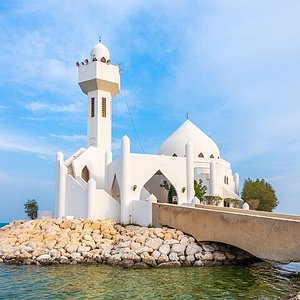
As part of a deeply religious country, Dammam observes Islamic traditions, with prayer times and the holy month of Ramadan shaping daily life. The city’s mosques, especially the King Fahd Mosque, are architectural marvels and centers of worship. During Ramadan, the city comes alive with nightly prayers, communal iftars (breaking of the fast), and festive decorations.
Cultural events in Dammam include the annual Jenadriyah Heritage Festival, where traditional music, dance, and crafts from across Saudi Arabia are showcased. Other events like the Dammam Book Fair and the Eastern Province Literary Club’s activities highlight the city's growing literary scene.
Urban Development and Infrastructure
Dammam's rapid growth is reflected in its modern infrastructure and urban planning. The city features well-maintained roads, bridges, and highways that connect it to neighboring regions like Al Khobar, Dhahran, and Riyadh. The King Fahd Causeway, linking Saudi Arabia to Bahrain, enhances trade and tourism in the region.
Residential areas in Dammam range from luxurious compounds to affordable housing, catering to different demographics. The city’s skyline is marked by high-rise buildings, but green spaces and waterfront promenades provide a balance of urban and natural environments.
The Role of Oil in Dammam's Identity
Oil discovery in Dammam in 1938 transformed the city into an economic powerhouse. The influence of the petroleum industry is visible in the city’s economy, job market, and global connections. Saudi Aramco, headquartered nearby in Dhahran, remains a key employer, attracting professionals from around the world. The Dammam Petroleum Exhibition showcases the history and technological advancements of the oil industry, offering insight into its impact on Saudi Arabia’s development.
Expanding Tourism Sector
As Saudi Arabia opens up to international tourism, Dammam is positioning itself as a key destination. The city’s proximity to historical sites like Al-Hasa Oasis (a UNESCO World Heritage site) and Qatif’s ancient ruins appeals to history buffs. Meanwhile, waterfront resorts, shopping festivals, and cultural events attract leisure travelers.
Efforts to improve hospitality services, including new hotels and guided tours, aim to enhance the tourist experience. Cruise tourism is also gaining traction, with Dammam’s port serving as a docking point for international cruise lines exploring the Arabian Gulf.
Education and Research in Dammam
Dammam is a regional leader in education, hosting prestigious institutions such as the University of Dammam (now Imam Abdulrahman Bin Faisal University), which offers programs in medicine, engineering, and business. The city is also home to research centers focused on petroleum engineering and environmental studies, contributing to national innovation.
International schools, including British and American-curriculum institutions, cater to the expatriate community, ensuring quality education for all residents.
The Future of Dammam
Under Saudi Arabia’s Vision 2030, Dammam is set to play a crucial role in economic diversification. Projects such as the King Salman Energy Park (SPARK) aim to boost the industrial sector, while initiatives like the Qiddiya entertainment city within reach promise new leisure opportunities. The development of transportation networks, including the Dammam Metro, aims to improve connectivity and sustainability.
With these ambitious plans, Dammam is poised to strengthen its status as a regional hub for business, culture, and innovation.
Dammam’s Architectural Marvels
Dammam’s skyline tells a story of rapid modernization while preserving elements of traditional Arabian architecture. The iconic Al Danah Tower, standing at 432 meters, is the tallest building in Dammam and a symbol of the city’s economic prowess. Other landmarks like the striking King Fahd Mosque, with its towering minarets and grand prayer halls, showcase Islamic architectural brilliance. Meanwhile, the futuristic designs of commercial hubs such as the Dhahran International Exhibition Centre blend cutting-edge engineering with cultural motifs.
Traditional architecture still thrives in older districts like Al-Balad, where coral stone houses with ornate wooden latticework (mashrabiya) reflect Hejazi influences. Restoration projects aim to preserve these historical neighborhoods while integrating them into the city’s urban fabric.
Dammam’s Coastal Charm
Stretching along the turquoise waters of the Persian Gulf, Dammam’s coastline is its crown jewel. The newly revamped Corniche features a 15-kilometer promenade lined with palm trees, cycling tracks, and waterfront cafes—perfect for sunset strolls. The Maritime Museum, currently under development, will highlight the region’s seafaring heritage with exhibits on pearl diving and naval history.
Offshore, the Al Noor Island offers picnic spots and birdwatching opportunities, while ambitious projects like the Dammam Waterfront City promise luxury resorts and floating villas to rival Dubai’s Palm Jumeirah.
Tech and Innovation Hub
Beyond oil, Dammam is emerging as a center for technological innovation. The Dhahran Techno-Valley, adjacent to King Fahd University of Petroleum and Minerals, incubates startups specializing in AI, robotics, and renewable energy. Smart city initiatives have introduced intelligent traffic management and solar-powered streetlights, while the King Abdulaziz Center for World Culture (Ithra) hosts hackathons and STEM workshops.
The city’s economic free zones attract global tech firms, leveraging tax incentives and state-of-the-art infrastructure to position Dammam as Saudi Arabia’s eastern Silicon Valley.
Healthcare Excellence
Dammam leads the Eastern Province in healthcare services, with cutting-edge facilities like Johns Hopkins Aramco Healthcare (JHAH) offering American-standard medical care. Specialized centers focus on cardiac surgery, oncology, and fertility treatments. The upcoming Dammam Medical Tower will consolidate these services in one ultramodern complex.
Wellness tourism is gaining momentum, with thalassotherapy centers at Half Moon Bay resorts and rehabilitation clinics utilizing the region’s mineral-rich mud and warm seawater.
Sports and Athletic Culture
Sports play a unifying role in Dammam’s community life. The Prince Mohammed bin Fahd Stadium hosts thrilling football matches, while the city’s first NBA-style basketball arena is under construction. Water sports enthusiasts flock to the Half Moon Bay Marine Sports Club for sailing competitions, and annual events like the Dammam Marathon attract international runners.
The Saudi Sports for All Federation promotes active lifestyles through public yoga sessions on the Corniche and women-only fitness centers, reflecting social reforms under Vision 2030.
Expatriate Life in Dammam
Home to a diverse expat community from over 120 nationalities, Dammam offers compounds with Western-style amenities, international schools, and cultural associations. Neighborhoods like Al-Nakheel and Al-Manar feature sprawling villas with private pools, while bustling districts such as Al-Aqrabiyah provide affordable apartments for working professionals.
Social hubs like the Intersection Café and the American Hospital’s Ladies Club foster connections, and multilingual service providers ease the transition for newcomers adapting to Saudi customs.
Environmental Initiatives
Dammam is tackling environmental challenges through projects like the Green Eastern Province Initiative, which aims to plant 10 million trees by 2030. Mangrove restoration along the coast protects marine biodiversity, while the city’s first waste-to-energy plant converts 3,000 tons of trash daily into electricity.
Public awareness campaigns promote recycling, and electric vehicle charging stations are becoming commonplace as Saudi Arabia shifts toward sustainable transportation.
Art and Creative Scene
From the street murals of the Al Khobar Arts District to the rotating exhibits at Ithra, Dammam nurtures artistic expression. The annual Desert X AlUla art festival now features satellite installations in Dammam, and local galleries spotlight Saudi talents like sculptor Ahmed Mater.
Traditional crafts thrive at government-supported workshops where artisans produce intricate Sadu weaving and gold-thread embroidery, blending heritage with contemporary design.
Transportation Revolution
The upcoming Dammam Metro’s six lines will connect key districts via driverless trains, complementing the existing Saudi Railways network. King Fahd International Airport’s expansion will double its capacity to 15 million passengers annually, with a dedicated VIP terminal for business travelers.
Ride-sharing apps like Careem dominate urban transport, while new bicycle lanes encourage eco-friendly commuting along the Corniche.
Vision 2030’s Impact
As Vision 2030 projects accelerate, Dammam is undergoing transformative change. The Ras Al-Khair megaproject will establish the world’s largest shipyard, while the 1.4-million-square-meter Dammam Downtown development introduces mixed-use towers with hydrogen-powered smart buildings.
These ambitious plans position Dammam not just as an oil capital, but as a multifaceted destination where commerce, culture, and innovation converge on the shores of the Arabian Gulf.
Visitors today witness a city in dynamic transition—one honoring its Bedouin roots while racing toward a future as dazzling as the gilded waters surrounding it.