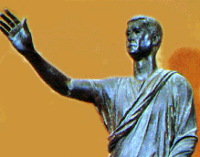
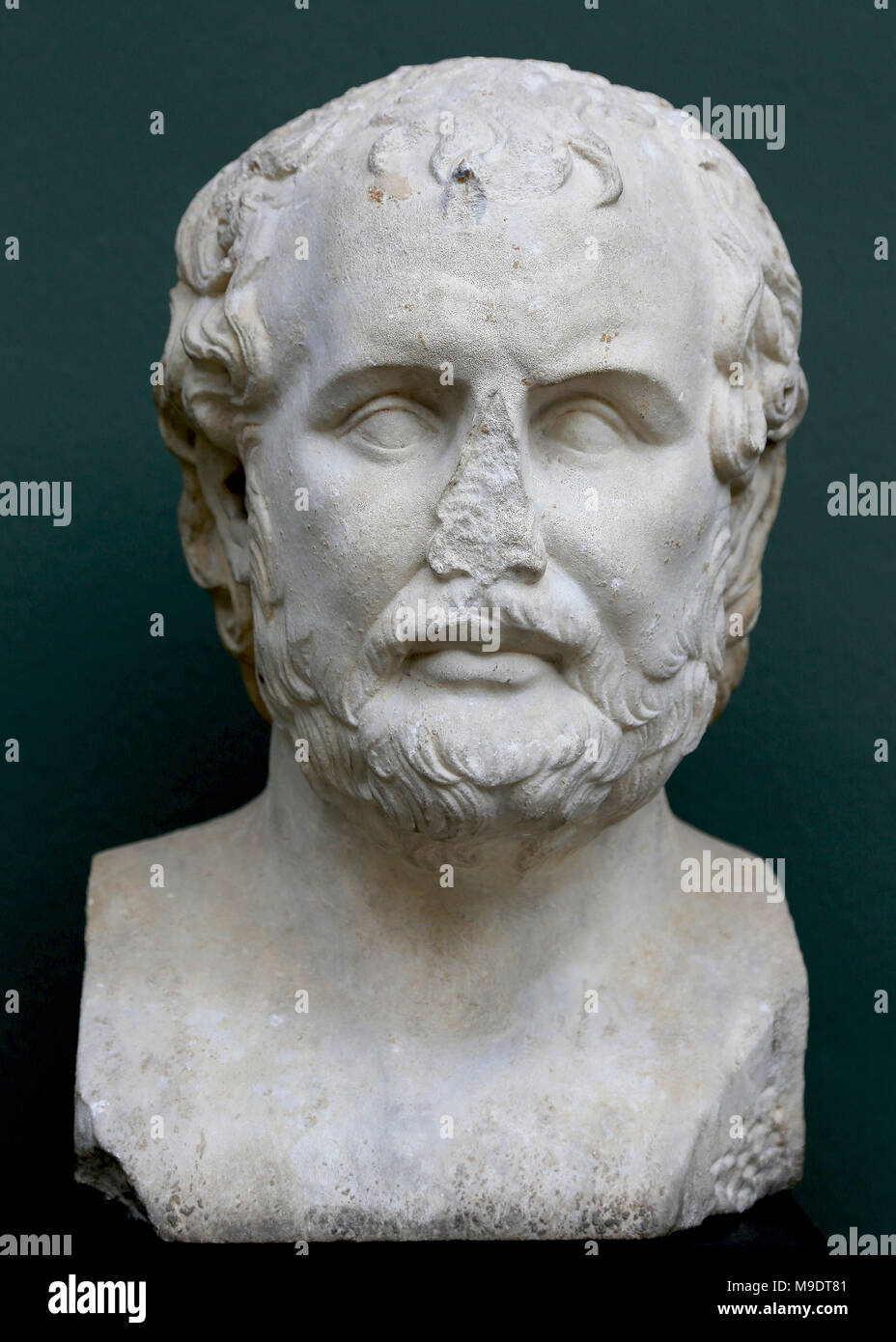
Demosthenes: The Greatest Ancient Greek Orator
Introduction
Demosthenes (Demóstenes, or Δημόστηνος) was a prominent Athenian statesman, orator, and writer who is widely regarded as one of the greatest speakers and writers in ancient Greece. His speeches played a crucial role in the political landscape of his time, and his influence extends to the present day, making him a significant figure in the study of history, rhetoric, and oratory. Born in 384 BCE in the Athenian suburb of Halion, Demosthenes faced numerous challenges in his youth that eventually shaped his remarkable oratorical skills and political acumen.
Early Life and Challenges
The Environment and Family Background
Demosthenes was born into a wealthy and influential family in the Athenian deme (an ancient unit of local administration) of Halion. His ancestral home was the Periclean family, which had produced numerous notable politicians and figures during the height of the Athenian Golden Age, particularly during the time of Pericles. This background instilled in Demosthenes a keen interest in politics and public affairs from a young age.
Physical and Vocal Challenges
However, Demosthenes’s path to becoming an orator was not without obstacles. He suffered from a speech impediment and a lisp, as well as poor posture and a lack of confidence in his voice. These physical and psychological challenges were significant enough to impede his ability to speak in public effectively. Despite these handicaps, Demosthenes was determined to overcome them and become a great orator. His journey towards excellence began with rigorous physical and vocal training.
Training and Development
Physical Training
Demosthenes was known to perform extreme physical training as part of his preparation for public speaking. He engaged in various exercises to improve his posture and breathing. According to ancient sources, he would stand on tiptoe and lift one leg while speaking, or recite passages in a single breath. He also used pebbles or beans placed between his teeth to help correct his lisp and strengthen his jaw muscles. These exercises were not just for show; they were essential in preparing his body and voice for the rigors of public speaking.
Vocal Training
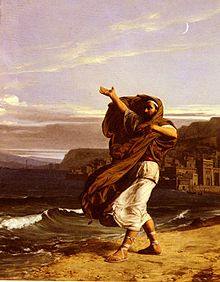
Just as important as the physical exercises were his vocal techniques. Demosthenes reportedly used techniques such as practicing long speeches while walking on a beach, shouting on the seashore to gain resonance, and reciting passages while looking at water to gain clarity. He also studied the works of great orators and philosophers, drawing inspiration from their rhetorical prowess. This methodical approach to training was crucial in developing his oratorical skills, allowing him to project his voice and communicate effectively to his audience.
Political and Rhetorical Influences
Early Influences
The young Demosthenes was deeply influenced by the political and cultural environment of Athens. The city was a hub of intellectual and political activity, with frequent debates and discussions among the citizens. This atmosphere encouraged the development of rhetorical skills, as the ability to persuade and influence through speech was paramount in Athenian democracy. Demosthenes would have absorbed these lessons from a young age, and his later works reflect this early exposure to the complexities of politics and rhetoric.
Key Orators and Philosophers
Demosthenes also studied the works of key orators and philosophers, including Antiphon, Eubulus, Isocrates, and Isocrates. He would have learned from their examples, emulating their styles and techniques. Antiphon was particularly noted for his skill in using speeches to advocate for the interests of the poor and the accused, while Eubulus and Isocrates were known for their comprehensive educational approach and focus on ethical reasoning. These influences helped shape Demosthenes’s own oratory and philosophy, contributing to his ability to articulate complex ideas and arguments effectively.
Public Speaking and Oratory Skills
Public Debates and Speeches
Demosthenes’s journey to becoming a great orator culminated in his many public debates and speeches. These opportunities allowed him to refine his skills and gain confidence. He participated in the assemblies, where he delivered speeches on a wide range of issues, from policy and legislation to matters of foreign policy and military strategy. These public engagements provided a platform for him to showcase his rhetorical abilities and gain renown among his fellow citizens.
Characteristics of His Oratory Style
Demosthenes’s oratory style was characterized by its clarity, logic, and emotional impact. He was meticulous in his preparation, often outlining his speeches in advance and refining them until they were perfect. His speeches were known for their logical coherence and persuasive power, often employing various rhetorical devices such as repetition, parallelism, and antithesis to create a compelling narrative. He was adept at using anecdotes and vivid imagery to engage his audience and make his arguments more relatable.
Challenges and Achievements
Despite the initial challenges, Demosthenes’s dedication and hard work paid off. He became a formidable orator, known for his eloquence and persuasive power. Some of his most notable works include the Olynthiac speeches, which defended the rights of free states against Macedonian domination, and the Philippics, a series of speeches aimed at deterring Philip II of Macedon’s expansionist policies. Through these speeches, he not only defended the interests of Athens but also contributed significantly to the intellectual and cultural landscape of ancient Greece.
Impact on Athens and the Wider World
Political Contributions
Demosthenes’s contributions to Athenian politics were extensive. He was involved in numerous debates and negotiations, advocating for policies that would enhance the city’s power and stability. His speeches often addressed critical issues such as the distribution of power among the city-states, the protection of Athenian democracy, and the defense against external threats. His efforts helped shape the political discourse of his time, and his insights continue to be studied by historians and political scientists today.
Role as an Educator
In addition to his political activities, Demosthenes was also a respected educator. He established a school of rhetoric, where he taught the art of persuasion and argumentation. This school attracted students from across the ancient world, making a significant impact on the education system and the development of public speaking skills. His teaching methods, while demanding, were highly influential and contributed to the broader cultural legacy of ancient Greece.
Legacy and Influence
The impact of Demosthenes’s work is felt across the ages. His speeches are regarded as some of the finest examples of ancient Greek rhetoric and continue to be studied in schools and universities around the world. His oratorical prowess and deep understanding of political and ethical issues have ensured his enduring relevance. Demosthenes’s legacy is not only in his words but also in the techniques and approaches to public speaking that he pioneered.
In conclusion, Demosthenes’s journey from a young man with a speech impediment to one of the greatest orators of ancient Greece is a testament to his determination and skill. His contributions to politics, rhetoric, and education have left an indelible mark on the intellectual and cultural history of the ancient world, making him a figure of immense significance for scholars and students of history and communication.
Further Challenges and Political Struggles
Negotiations with Philip II of Macedon
One of the most notable challenges Demosthenes faced was his struggle against Philip II of Macedon, who was seeking to expand his influence over the Greek city-states, including Athens. Demosthenes’s Philippic orations were a direct response to Philip’s aggressive ambitions. These famous speeches, composed over several years, served as a rallying cry for those opposed to Macedonian dominance. In particular, the Third Philippic, delivered in 341 BCE, was a scathing indictment of Philip’s policies and intentions, aiming to unite the Greeks in a unified defensive coalition against Macedonian aggression.
The League of Corinth
In the years leading up to the Corinthian War (395–387 BCE), Philip II sought to forge a league of Greek city-states under his leadership, a move that threatened the independence of many smaller states like Athens. Demosthenes played a crucial role in opposing this consolidation of power. His speeches emphasized the importance of maintaining the balance of power within Greece and the dangers of allowing any single ruler, especially Philip, to achieve such authority. The failure of these efforts led to a series of conflicts between Athens, Sparta, and their allies against the Macedonians, which ultimately resulted in a stalemate.
The Battle of Chalkis
The Corinthian War concluded with the Peace of Antipatris in 386 BCE, but tensions between Athens and Macedon continued. One of the decisive moments in this conflict was the Battle of Chalkis in 338 BCE, fought between an Athenian-led coalition and Philip’s forces. Although the Athenians initially held their ground, they ultimately faced defeat due to the numerical superiority of Philip’s troops. Following this battle, the Macedonians gained significant control over central Greece, setting the stage for further political upheaval.
Philippic Fourth and Fifth
Feeling increasingly disheartened by the ongoing challenges and recognizing the need to address the growing threat posed by Philip II, Demosthenes delivered his Philippic Fourth and Fifth between 338 and 335 BCE. These speeches were less focused on immediate military action and more on rallying support against the inevitable Macedonian conquest. The Philippic Fourth highlighted the moral and ethical arguments against Philip’s conquest, appealing to the patriotism and pride of the Athenians. Meanwhile, the Philippic Fifth, which was largely lost and reconstructed in modern times based on fragments, emphasized the necessity of forming a permanent alliance against the perceived threat of Philip.
Personal Relationships and Influences
Relationships with Fellow Politicians
Beyond his interactions with Philip II, Demosthenes also formed relationships with key political figures such as Phocion and Timotheus, who were themselves influential orators and politicians. These collaborations were vital in navigating the complex political terrain of ancient Greece. Together with Phocion, who was known for his virtuous conduct and political acumen, Demosthenes worked to promote a moderate anti-Macedonian policy. They believed in maintaining the alliances that had kept Athens relatively independent and prosperous.
Nicomachus and Other Followers
Demosthenes also had a significant following among his contemporaries and future generations of orators, including Nicomachus of Eretria, who was appointed to head the Athenian navy after Demosthenes. Nicomachus carried forward the legacy of Demosthenian oratory, continuing to champion the cause of anti-militaristic and pro-Athenian reforms. Through his followers, Demosthenes’s message and methodologies endured beyond his lifetime, shaping the discourse and strategies of subsequent generations of Greek politicians.
Literary Works and Legacy
Sources and Historical Records
Demosthenes’s literary works, primarily preserved in the form of speeches, constitute some of the most valuable historical sources from ancient Greece. These speeches, known collectively as the Polygraphic Orations, cover a wide range of topics, from legal matters to military affairs and political campaigns. Scholars refer to these texts, particularly the Philippics, for insight into the social and political dynamics of the time. The detailed accounts of battles, diplomatic negotiations, and internal squabbles provide a comprehensive view of life in fifth- and fourth-century BCE Greece.
Influence on Modern Rhetoric and Communication
The impact of Demosthenes’s oratory extended far beyond his own era. His work has been scrutinized and emulated by rhetoricians and communication scholars, contributing to the development of modern approaches to public speaking and persuasive communication. The principles of structure, coherence, and emotional appeal that he employed continue to be relevant today, serving as foundational elements in rhetoric and composition studies.
Educational Influence
Besides his practical involvement in politics and oratory, Demosthenes also left an enduring educational legacy. The methods he employed in teaching rhetoric to his students form a basis for modern pedagogical practices. His emphasis on clear articulation, logical reasoning, and effective emotional engagement in public speaking remains central to contemporary approaches to oral communication.
Conclusion
Demosthenes stands as a towering figure in the annals of ancient Greek history, not only for his exceptional oratory skills but also for his unwavering commitment to defending democracy and Athens against external threats. His political struggles, marked by intense debates and powerful orations, exemplified the virtues of civic responsibility and leadership. Through his writings and teachings, Demosthenes transmitted timeless principles of rhetoric and political engagement, leaving an indelible mark on Western civilization.
Final Years and Legacy
The End of Democracy and Aftermath
As the Macedonians gained increased control over Greece, the balance of power shifted significantly. Philip II’s son, Alexander III (Alexander the Great), further consolidated Macedonian dominance after his father's death in 336 BCE. By 322 BCE, Macedonia had effectively replaced Athens as the dominant force in the region, leading to the gradual decline of Athenian independence. Despite these political shifts, Demosthenes continued to advocate for Athenian autonomy and resist Macedonian control, though his efforts ultimately proved fruitless.
In the face of mounting pressure from Alexander, Demosthenes found himself isolated and marginalized within Athenian politics. The once-vibrant democratic institutions that he had helped shape were gradually eroded under Macedonian rule. In 322 BCE, Demosthenes, along with others opposed to Macedonian dominion, was forced to flee Athens when Alexander began to exert greater control over the city-state. This marked a significant turning point in Demosthenes’s life, as his earlier advocacy for Athenian independence became increasingly impractical in the face of Macedonian dominance.
Final Days and Death
Following his exile, Demosthenes settled in Calauria, an island close to Corinth, where he continued his political activism through correspondence and attempts to rally support. However, by 322 BCE, he found himself disillusioned and disheartened by the political turmoil and Macedonian oppression. On his return to Athens in 323 BCE, the sudden death of Alexander the Great temporarily alleviated some of the political pressure. Yet, within a short period, the situation deteriorated once more.
Determined to escape the impending political purges orchestrated by Antipater, Demosthenes decided to take his own life rather than face what he saw as certain imprisonment or execution. On September 26, 322 BCE, he ingested poison and died at the age of 59, leaving behind a legacy that would endure for centuries.
His Last Words
According to Plutarch, in his final moments, Demosthenes made his last request to those around him, asking that his body be cremated and the ashes scattered in the sea, an expression of his lifelong devotion to Athens and his determination to remain forever connected to the city that had nurtured and shaped him.
Memorials and Commemoration
The death of Demosthenes did not diminish the reverence and admiration he garnered from future generations. Memorials and tributes continued to celebrate his contributions to Greek history and oratory. Statues of Demosthenes were erected in various cities, most notably outside the Parthenon, signifying his importance to Athenian heritage. Coins honoring Demosthenes were minted, further cementing his status as a symbol of civic duty and eloquence.
The commemorative inscriptions and statues celebrated not only his oratorical prowess but also his unwavering dedication to democracy and the ideals of freedom. These memorials ensured that even after his death, Demosthenes remained a figure of admiration and inspiration for all who sought to uphold similar values.
Demosthenes’ Lasting Impact
Education and Modern Practice
The enduring legacy of Demosthenes extends far beyond his lifetime, shaping the fields of education and modern public speaking. His methodologies in training orators and his emphasis on clarity, logic, and ethical considerations remain fundamental principles taught in rhetorical studies today. Many educational institutions still incorporate Demosthenian techniques into their curricula, ensuring that his teachings continue to influence the next generation of communicators.
Modern Applications and Influence
The principles derived from Demosthenes’s works continue to be applied in various fields, including law, marketing, and public relations. His focus on effective communication and emotional appeal serves as a template for creating powerful, resonant messages. Demosthenes’s emphasis on structured arguments and ethical persuasion has been adapted to suit contemporary needs, making his strategies valuable in both ancient and modern contexts.
Final Reflections
Demosthenes’s story encapsulates the human capacity for determination and resilience in the face of adversity. From a boy with physical and emotional handicaps to one of the greatest orators of his age, Demosthenes’s journey is a testament to the power of dedicated practice and unwavering commitment. His political and oratorial legacy continues to inspire scholars and public figures alike, reminding us of the enduring value of eloquent and principled advocacy.
In conclusion, Demosthenes is not merely a historical figure; he is an archetype of perseverance and civic virtue. His life, filled with trials and triumphs, serves as a timeless example of how one can rise above personal challenges to profoundly influence society. His contributions to the field of rhetoric and his commitment to defending democratic values have secured his place in the annals of human achievement, ensuring that his message will resonate for generations to come.
Demosthenes’s enduring legacy lies not just in the words he wrote or the speeches he delivered, but in the lessons he imparted—a reminder of the transformative power of eloquent communication and the importance of fighting for what one believes in.
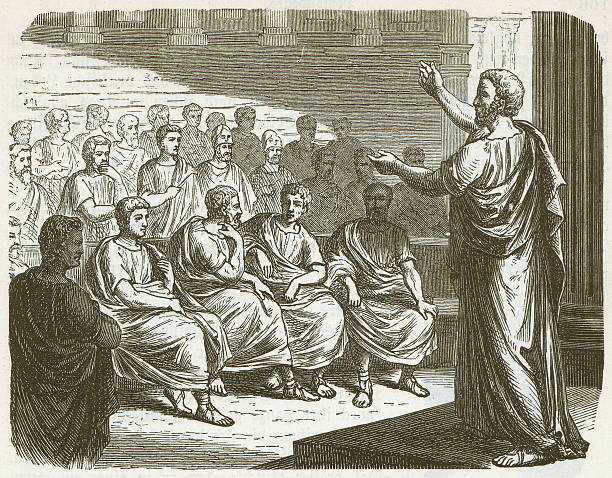
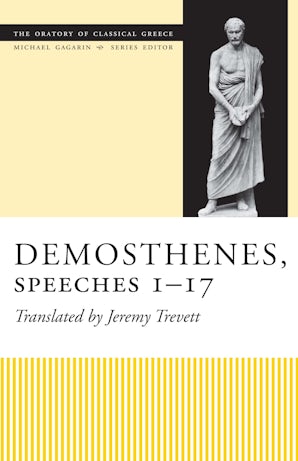
Aeschines: The Orator of Ancient Athens
The history of classical Athens abounds with figures who shaped its democratic legacy and oratorical brilliance. Among them stands Aeschines, a prominent yet often overshadowed orator of the 4th century BC. Unlike some of his contemporaries, Aeschines had a life marked by dramatic transformations and rhetorical battles that illustrate the vibrant political culture of ancient Greece. This article delves into the life and influence of Aeschines, exploring his role as a public speaker and political figure.
The Early Life of Aeschines
Born in Athens in 389 BC, Aeschines was the son of an elementary school teacher named Atrometus and a local priestess named Glaucothea. Despite not being part of the Athenian aristocracy, Aeschines’ upbringing was comfortably modest, suggesting that his family valued education. As a young man, he assisted his father in teaching, an early exposure to the power of words and rhetoric.
Before his entrance into political life, Aeschines tasted military service. He was part of several crucial battles, including the Battle of Mantinea in 362 BC, which played a significant role in shaping the political dynamics between Greek city-states. This military experience provided him not only with a diverse skill set but also a network of influential acquaintances that later supported his political ambitions.
The Path to Oratory
Aeschines first dipped his toes in politics as a scribe and clerk for the Athenian state, a position that offered him an understanding of bureaucratic complexities and the inner workings of Athens’ political realm. His linguistic talents and charismatic persona soon earned him the favor of powerful figures, allowing him to transition into more visible public roles.
His transition into the world of oratory, however, was not without its challenges. Aeschines lacked the inherited wealth and connections that many other orators enjoyed. Yet, his perseverance and skills in rhetoric opened the gates to a successful career. His speeches, which were known for their directness, emotional appeal, and strategic use of classical references, resonated with both the elite and the common citizens.
Rivalry with Demosthenes
Perhaps the most defining aspect of Aeschines' career was his intense rivalry with another renowned Athenian orator, Demosthenes. This rivalry, deeply entwined with the political conflicts of their time, characterized much of his public life and speeches. The two orators found themselves on opposite sides of the political spectrum, particularly in their views on the threat posed by Philip II of Macedon.
Aeschines, more pragmatic and cautious, occasionally favored a diplomatic approach towards Macedon, seeking alliances that could ensure Athens' safety without direct conflict. On the other hand, Demosthenes vehemently opposed such a stance, advocating for a more confrontational approach to defend Athenian independence and democracy. Their debates, laden with accusations and counteraccusations, filled the public sphere with compelling drama.
One of the most notable incidents between the two was the affair of the Peace of Philocrates in 346 BC. Aeschines was heavily involved in the negotiation of this treaty, which ended the conflict between Athens and Macedon. Despite facing fierce opposition from Demosthenes and his supporters, Aeschines managed to defend his position.
The Trials and Tribulations
The rivalry culminated in a series of legal battles that captured public attention. The most famous of these was the trial on the legality of the peace treaty, known as the "Crown" case. Demosthenes accused Aeschines of treachery and corruption, a charge that Aeschines combated with his defense speech "On the Embassy." Although unsuccessful in his defense, Aeschines’ speech remains a poignant example of classical rhetoric, illustrating his skills in argumentation and oratory.
These legal confrontations showcased Aeschines' deft command of language, his ability to sway public opinion, and the personal stakes involved in Athenian politics. They were theatrical encounters that demonstrated the democratic process's vibrancy and the significant role played by oratory in policy-making and public discourse.
Legacy of Aeschines
While Demosthenes eventually triumphed in their rivalry, Aeschines' contributions to the political and oratorical traditions of Athens remain significant. His speeches have survived through the ages, reflecting the complex interplay between power, politics, and persuasion in classical Athens. Furthermore, his ability to rise from a relatively obscure background to the forefront of Athenian politics exemplifies the transformative potential of rhetoric in the ancient world.
Aeschines' life and works serve as a testament to his era, offering insights into the political dynamics and cultural milieu that defined Athens in the 4th century BC. Through his articulated arguments and public engagements, Aeschines left an indelible mark on the history of rhetoric and political discourse. His story continues to captivate historians and readers alike, representing a critical segment of the Athenian democratic experiment.
Aeschines' Influence on Rhetoric and Education
While Aeschines’ political career was defined by his rivalry with Demosthenes, his contributions to the realm of rhetoric extended far beyond their public confrontations. Aeschines' oratorical style was distinguished by its clarity and emotional depth, setting a benchmark against which later orators measured themselves. Unlike the more structured and rational approaches in rhetoric employed by his contemporaries, Aeschines often engaged his audiences through vivid storytelling and pathos, which appealed directly to the emotions.
This style was particularly evident in his surviving speeches, which reveal his adept use of narrative and characterization. By crafting compelling personal anecdotes, Aeschines could paint his opponents, particularly Demosthenes, in a negative light while also casting himself as a trustworthy and noble figure. These methods underscored the broader Greek tradition of using rhetoric as a tool not just for persuasion but also as an art form intertwined with civic life.
Moreover, Aeschines had a lasting impact on education, particularly in the rhetorical schools of ancient Athens. After his political career waned, Aeschines is believed to have established his own school. Here, he taught the principles of rhetoric and articulated his unique philosophy on oratory, influencing young Athenians and aspiring rhetoricians. The educational institutions of the time were vital for cultivating civic and political leaders, and Aeschines’ influence helped shape the next generation of thinkers who valued eloquence and persuasion.
Aeschines in Exile
The climax of Aeschines' political and legal struggles led to his decision to leave Athens after losing the "Crown" trial to Demosthenes in 330 BC. This self-imposed exile did not silence him, nor did it diminish his influence. Aeschines relocated to Rhodes, where he established himself as a respected figure in the local community and continued his engagement with rhetorical education.
In Rhodes, Aeschines founded another school, where he continued to teach rhetoric. His school became renowned for its emphasis on emotional appeal and effective communication, attracting students from across the Greek world. Aeschines’ approach provided a practical counterbalance to the more philosophical and speculative methods propagated by other contemporary schools, allowing many students to find relevance and immediate application in their pursuits of diplomacy and public service.
Anecdotes about his time in Rhodes recount that Aeschines would read his courtroom speeches to illustrate effective argumentation and delivery. On one occasion, after reading his "On the Embassy" speech to a captivated audience, a student remarked on the power of his rhetoric by saying, "How lucky Demosthenes was, to have Aeschines as an opponent!" This anecdote conveys not only the lasting impression of Aeschines' rhetorical skills but also the enduring competitive spirit that defined his career and legacy.
The Enduring Legacy of Aeschines
Aeschines' contributions have echoed through the centuries, providing insights into the political, social, and rhetorical landscapes of ancient Greece. While often overshadowed by the legacy of Demosthenes, Aeschines' speeches are integral to understanding the period's intellectual and cultural contests. His methods and speeches have survived as part of the classical canon, studied by students of rhetoric and history alike for their artistry and strategic acumen.
In the broader context of Greek history, Aeschines represents the complexities and contradictions inherent in Athenian democracy. His career exemplifies the tenuous balance between individual ambition and civic duty, a theme that resonates with modern political discourses. The intense rivalries and public debates he participated in were not merely events of personal aggrandizement but were pivotal in shaping public policy and influencing the future course of Athenian politics.
Moreover, his exile and subsequent life in Rhodes highlight the interconnectedness of the Greek world, where ideas and individuals could navigate across polis boundaries, contributing to a shared Hellenic culture. Aeschines' ability to adapt and thrive outside of Athens demonstrates the versatility and enduring appeal of Athenian rhetoric throughout the Greek world.
Aeschines in Historical Context
To appreciate Aeschines' place in history, it is essential to examine the context of his life and career. The 4th century BC was a period of significant transition for Athens and the wider Greek world. The traditional power of the Greek city-states was increasingly challenged by the rise of Macedon, culminating in the sweeping conquests of Alexander the Great. Aeschines' political life reflects the turbulent and often fractious nature of this epoch, where the need for effective diplomacy and persuasive oration became even more pronounced.
The world Aeschines navigated was one filled with both internal strife and external pressures. His career captures the democratic tensions of Athens—between populism and elitism, peace and war, tradition and innovation. Through his participation in such debates, Aeschines contributed to shaping the narrative and response of Athens to these challenges. His life's work illustrates the tension between individual rhetorical prowess and the collective decision-making process in a rapidly evolving political landscape.
Ultimately, Aeschines reminds us that the history of classical Athens is not just the story of renowned figures like Socrates or Pericles, but also of those who navigated the corridors of power through eloquence and debate. His achievements and struggles offer a window into an era of profound intellectual and political activity, making Aeschines a figure of enduring study and relevance.
The Rhetorical Craftsmanship of Aeschines
Aeschines’ speeches provide an invaluable glimpse into the craftsmanship of ancient rhetoric, highlighting the nuanced techniques he employed to sway and persuade. His orations exhibit not just eloquence but a profound understanding of human psychology and emotion. Unlike his rival Demosthenes, who frequently utilized structured and logical arguments, Aeschines favored a more evocative approach, often drawing on pathos to engage his audience deeply.
One technique Aeschines frequently employed was vivid imagery. He excelled in painting pictures with words, crafting scenes that echoed in the minds of his listeners. This talent allowed him to evoke sympathy or disdain as needed, making his rhetoric powerful and adaptable to various contexts. His speeches were laced with literary allusions and references that demonstrated his deep engagement with Greek cultural and literary traditions, thus establishing his credibility and authority.
In addition, Aeschines was noted for his skill in character assassination, particularly when it came to his political and ideological opponents. By focusing on the moral character and personal failings of adversaries rather than just their policies, Aeschines could sway public opinion and discredit rival arguments effectively. This tactic, which modern readers might recognize in contemporary political arenas, underlines the timeless nature of certain rhetorical strategies.
Aeschines and the Development of Greek Oratory
Aeschines' influence on Greek oratory can be considered both a continuation and an innovation. While he upheld many of the established traditions of classical rhetoric, he also adapted his style to address the unique demands of his time, when the political landscape was shifting rapidly under Macedonian influence. His contributions to the field extended the reach and adaptability of oratory, preparing it to play a critical role in the administrations of both Greek and Hellenistic states.
His emphasis on the emotional appeal in speech-making anticipated future developments in rhetorical theory, paving the way for later rhetorical schools that would emerge during the Hellenistic period. In this context, Aeschines can be seen as a bridge between the classical rhetoric of Athens and the more elaborate and varied rhetorical traditions that would follow.
Furthermore, Aeschines' interactions with students and fellow orators helped disseminate his innovative techniques across the Greek world. As Greek culture expanded under Alexander the Great and his successors, the methods and approaches taught by Aeschines influenced a wide array of successors, many of whom would integrate his teachings into their rhetoric, further embedding his legacy in the annals of history.
Perspectives on Aeschines from Later Historians
Aeschines has been the subject of varied interpretations by historians across centuries. In antiquity, his reputation was somewhat eclipsed by that of Demosthenes, largely due to the latter’s more extensive body of work and Alexander's subsequent portrayal of Athens as a bastion of resistance against Macedonian hegemony. Yet Aeschines was acknowledged for his rhetorical brilliance and pragmatic approach, qualities that resonated with scholars and political thinkers.
In modern times, historians have revisited Aeschines with a more balanced lens, appreciating the complexities of his political stances and the skill with which he crafted his speeches. His life has been scrutinized not just for its dramatic legal battles but also as a reflection of the broader socio-political trends of 4th century BC Greece. Scholars have noted the tensions within his rhetoric between the personal and the public, an attribute that continues to interest those exploring ancient political discourse.
Moreover, Aeschines has inspired comparative studies with orators and public figures from other eras, providing critical insights into the universality of certain rhetorical traditions and dilemmas. His life and work offer a rich tapestry from which to draw connections between the classical past and the modern present, illustrating how certain rhetorical strategies and political narratives remain relevant through the ages.
Conclusion: Aeschines' Place in History
Aeschines stands as a complex and dynamic figure within the history of Athens and Greek oratory. His contributions were not merely limited to his rivalry with Demosthenes but also spanned the educational and rhetorical landscapes of the ancient world. Through his mastery of language and persuasion, Aeschines exemplified the power of rhetoric as a tool for shaping public opinion and influencing political outcomes.
His legacy, while often overshadowed, persists in the study of classical rhetoric, providing a counterbalance to the work of his contemporaries. Aeschines’ life embodies the tension and the potential within democratic societies to engage and transform through dialogue and debate. The lessons gleaned from his rhetorical techniques and political participation continue to be relevant, offering timeless insights into the art of persuasion and the role of individuals within the civic arena.
Through a life marked by both triumph and exile, Aeschines left an indelible mark on history, symbolizing the enduring influence of rhetoric in the public sphere. As students of history and rhetoric examine his speeches and strategies, they not only uncover the complexities of his world but also recognize the echoes of his legacy in contemporary times. Aeschines, thus, remains a potent reminder of the transformative power of words and the persistent relevance of ancient wisdom in modern discourse.