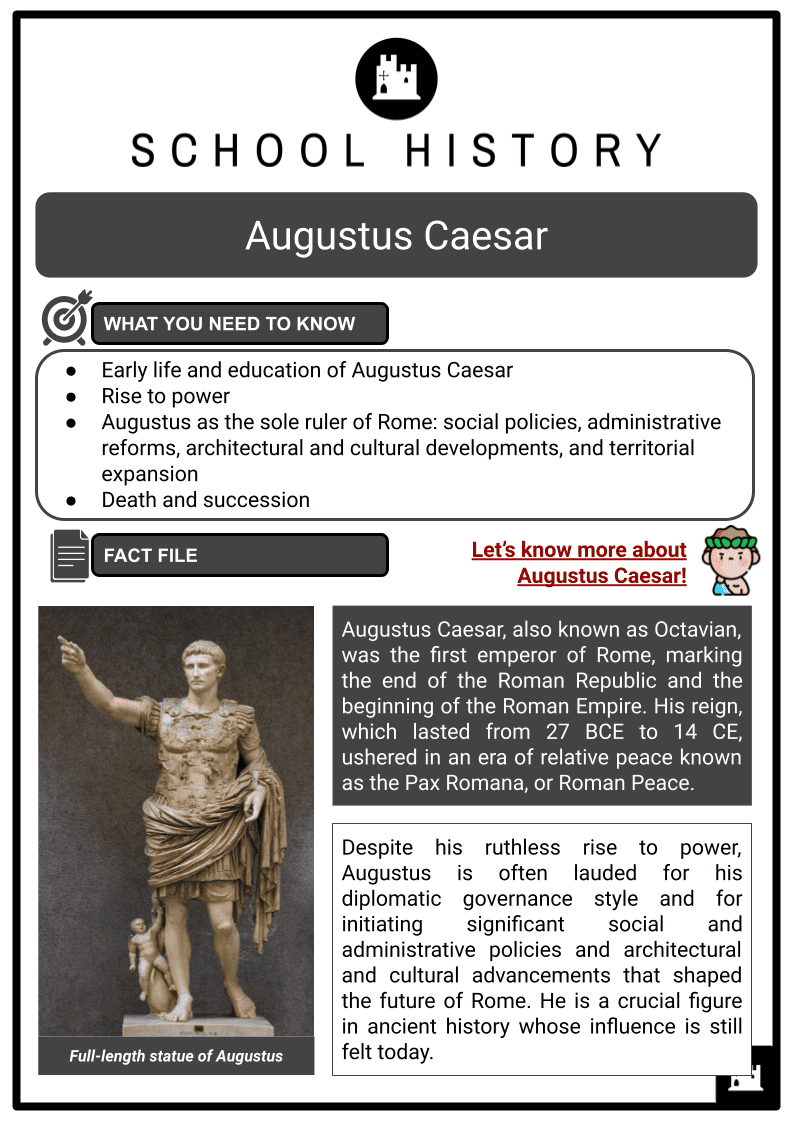
Octavia the Younger: Rome’s Virtuous Sister of Augustus
Octavia the Younger, also known as Octavia Minor, was a pivotal figure in Roman history, renowned for her loyalty, virtue, and political influence. Born around 69-66 BCE in Nola, Italy, she was the elder sister of Rome’s first emperor, Augustus (Octavian). Octavia’s life was marked by her strategic marriages, her role in raising the children of her rivals, and her enduring legacy as a model of Roman matronly virtue. Her story is one of resilience and diplomacy amid the turbulent power struggles of ancient Rome.
Early Life and Family Background
Octavia was born to Gaius Octavius and Atia, a prominent Roman family with deep political connections. Her father, Gaius Octavius, was a respected senator, and her mother, Atia, was the niece of Julius Caesar. This lineage placed Octavia at the heart of Rome’s political elite from birth. She grew up in a household that valued tradition, loyalty, and service to Rome, qualities that would define her later life.
Octavia’s early years were shaped by the political upheavals of the late Roman Republic. The assassination of Julius Caesar in 44 BCE marked a turning point, thrusting her brother Octavian into the spotlight as one of Caesar’s heirs. This event set the stage for Octavia’s future role in Rome’s political landscape, as her family became central to the power struggles that followed.
First Marriage to Gaius Claudius Marcellus
Octavia’s first marriage was to Gaius Claudius Marcellus, a prominent Roman politician and member of the influential Claudius family. This union was strategically advantageous, strengthening ties between the Octavii and the Claudii, two of Rome’s most powerful families. Together, Octavia and Marcellus had three children: Marcellus, Claudia Marcella Major, and Claudia Marcella Minor.
Tragedy struck when Marcellus died in 40 BCE, leaving Octavia a widow with young children. Despite this personal loss, Octavia’s resilience and dedication to her family remained unwavering. Her son Marcellus would later become a key figure in Augustus’s plans for succession, though he died prematurely in 23 BCE.
Raising a Family Amid Political Turmoil
Octavia’s role as a mother was central to her identity. She was known for her devotion to her children, ensuring they received a proper Roman education and upbringing. Her daughters, Claudia Marcella Major and Minor, went on to marry influential figures, further cementing the family’s political connections. Octavia’s ability to balance her personal life with the demands of Rome’s political elite was a testament to her strength and character.
Marriage to Mark Antony: A Political Alliance
In 40 BCE, Octavia’s life took a dramatic turn when she was married to Mark Antony, one of Rome’s most powerful generals and a member of the Second Triumvirate. This marriage was arranged by her brother Octavian as part of a political alliance to solidify the triumvirate’s power amid the civil wars following Julius Caesar’s assassination. Octavia’s union with Antony was not only a personal commitment but also a strategic move to stabilize Rome’s fragile political landscape.
Octavia’s marriage to Antony was her second, and it came with significant responsibilities. As Antony’s wife, she was expected to support his political and military endeavors while maintaining her loyalty to her brother Octavian. This delicate balance required diplomacy and tact, qualities that Octavia possessed in abundance. Her marriage to Antony produced two daughters, Antonia Major and Antonia Minor, who would later play important roles in the Julio-Claudian dynasty.
Supporting Antony’s Campaigns
Octavia was not merely a passive figure in her marriage to Antony. She actively supported his campaigns, traveling with him to Athens between 40-36 BCE and providing logistical support. In 37 BCE, she played a crucial role in negotiating a truce between Antony and Octavian, demonstrating her diplomatic skills. Her efforts to maintain peace between the two powerful men were instrumental in preventing further conflict.
In 35 BCE, Octavia went above and beyond her duties as a wife by delivering troops, supplies, and money to Antony. This act of support highlighted her commitment to both her husband and the stability of Rome. However, despite her efforts, the alliance between Antony and Octavian began to unravel as Antony’s relationship with Cleopatra deepened.
Divorce and the Fall of Antony
The breakdown of Octavia’s marriage to Antony was a turning point in Roman history. In 32 or 33 BCE, Antony divorced Octavia, expelling her from his Roman home. This action was driven by his growing relationship with Cleopatra, which Octavian used to his advantage. Octavian’s propaganda portrayed Antony as un-Roman, emphasizing his abandonment of Octavia and his alliance with the Egyptian queen. This narrative fueled public sentiment against Antony, contributing to his eventual defeat at the Battle of Actium in 31 BCE.
Despite the personal betrayal, Octavia remained loyal to her brother and Rome. She withdrew from public life after Antony’s divorce but continued to play a behind-the-scenes role in the Julio-Claudian dynasty. Her resilience and dignity in the face of adversity earned her the respect and admiration of her contemporaries.
Raising Antony’s Children
One of Octavia’s most notable acts of virtue was her decision to raise Antony’s children from his previous marriages. After the deaths of Fulvia and Cleopatra in 30 BCE, Octavia took in Antony’s children, including his sons by Fulvia (Antillus and Iullus Antonius) and his children by Cleopatra (Alexander Helios, Cleopatra Selene, and Ptolemy Philadelphus). This act of compassion and duty demonstrated her commitment to family and Roman values, even in the face of personal betrayal.
Octavia’s household became a blend of her own children and Antony’s, creating a complex but harmonious family dynamic. Her ability to navigate these relationships with grace and strength further solidified her reputation as a model of Roman matronly virtue.
Legacy and Influence
Octavia’s influence extended far beyond her lifetime. As the sister of Augustus, she held rare privileges, including the ability to manage her own finances without a male guardian. This independence was a testament to her capabilities and the respect she commanded in Roman society. Additionally, Octavia was one of the earliest Roman women to be honored on coinage, a reflection of her significance and the esteem in which she was held.
Her legacy is also evident in the Julio-Claudian dynasty. Octavia was the grandmother of Emperor Claudius, the great-grandmother of Caligula and Agrippina the Younger, and the great-great-grandmother of Nero. Her descendants shaped the course of Roman history, and her influence can be seen in the political and cultural developments of the empire.
Honors and Monuments
Augustus honored Octavia’s contributions to Rome with several monuments and structures. The Porticus of Octavia, located near the Theater of Marcellus, was one such tribute. This grand structure served as a public space and a testament to Octavia’s legacy. Additionally, Octavia was buried in Augustus’s Mausoleum, a final honor that underscored her importance to the emperor and the Roman state.
Today, the Porticus of Octavia stands as a reminder of her enduring influence. While some structural debates exist regarding its exact form and function, the monument remains a symbol of Octavia’s contributions to Rome and her role as a pivotal figure in its history.
Modern Perceptions and Cultural Impact
In modern times, Octavia the Younger is often celebrated as a "badass" figure in Roman history. Her ability to raise the children of her rivals, mediate conflicts, and maintain her dignity amid political turmoil has earned her admiration. Scholars and historians continue to analyze her role in the Julio-Claudian dynasty, highlighting her as a model of resilience and virtue.
Octavia’s story has also inspired various cultural portrayals, from historical novels to television series. Her life serves as a compelling narrative of strength, loyalty, and diplomacy, resonating with audiences who appreciate her contributions to Rome’s political and cultural landscape.
Octavia’s Role in the Second Triumvirate
The Second Triumvirate, formed in 43 BCE, was a political alliance between Octavian (Augustus), Mark Antony, and Marcus Lepidus. This coalition was created to avenge Julius Caesar’s assassination and restore stability to Rome. Octavia’s marriage to Antony in 40 BCE was a strategic move to strengthen this alliance, as it tied the two most powerful men in Rome together through family bonds.
Octavia’s role in the triumvirate extended beyond her marital duties. She acted as a bridge between her brother and husband, often mediating conflicts and ensuring communication between the two. Her diplomatic efforts were crucial in maintaining the fragile peace during the early years of the triumvirate. Historian Plutarch noted that Octavia’s influence helped delay the inevitable clash between Octavian and Antony, demonstrating her political acumen.
Key Contributions to the Triumvirate
- Diplomatic Mediator: Octavia negotiated a truce between Antony and Octavian in 37 BCE, temporarily easing tensions.
- Logistical Support: She provided troops, supplies, and funds to Antony during his campaigns, showcasing her commitment to Rome’s stability.
- Symbol of Unity: Her presence in Antony’s household represented a tangible link between the two triumvirs, reinforcing their alliance.
Despite her efforts, the triumvirate ultimately collapsed due to Antony’s growing alliance with Cleopatra and his abandonment of Roman traditions. Octavia’s divorce in 32 BCE marked the end of her direct involvement in the triumvirate, but her earlier contributions had been instrumental in prolonging its existence.
The Political Fallout of Antony’s Divorce
Antony’s decision to divorce Octavia in favor of Cleopatra had significant political consequences. Octavian seized on this betrayal to rally Roman public opinion against Antony, portraying him as a traitor to Roman values. The propaganda campaign was highly effective, as Antony’s abandonment of Octavia—a woman revered for her virtue—was seen as a direct affront to Roman tradition.
Octavia’s dignity in the face of this public humiliation further endeared her to the Roman people. She withdrew from public life but remained a symbol of loyalty and resilience. Her actions contrasted sharply with Antony’s perceived betrayal, reinforcing Octavian’s narrative and strengthening his position as the defender of Roman values.
Octavian’s Propaganda Campaign
- Public Sympathy: Octavian highlighted Antony’s abandonment of Octavia to garner support for his cause.
- Cultural Contrast: Antony’s relationship with Cleopatra was framed as a rejection of Roman virtues in favor of Egyptian decadence.
- Military Justification: The divorce provided Octavian with a moral justification for his eventual war against Antony and Cleopatra.
The Battle of Actium in 31 BCE was the culmination of this conflict, resulting in Antony and Cleopatra’s defeat and suicide. Octavia’s role in this narrative was pivotal, as her virtue and loyalty became a rallying cry for Octavian’s forces.
Octavia’s Later Years and Influence on the Julio-Claudian Dynasty
After Antony’s downfall, Octavia retreated from public life but continued to exert influence behind the scenes. Her children and stepchildren played significant roles in the emerging Julio-Claudian dynasty, ensuring her legacy endured. Her daughters, Antonia Major and Antonia Minor, married into prominent families, further solidifying the dynasty’s power.
Octavia’s grandson, Emperor Claudius, would later rule Rome, and her great-grandchildren included Caligula and Agrippina the Younger. Her great-great-grandson, Nero, also became emperor, demonstrating the far-reaching impact of her lineage. Octavia’s influence on the dynasty was not merely genetic; her values of loyalty, duty, and resilience were passed down through generations.
Key Descendants and Their Roles
- Antonia Minor: Mother of Emperor Claudius and grandmother of Caligula and Agrippina the Younger.
- Claudia Marcella Major: Married into the influential Agrippa family, strengthening political ties.
- Iullus Antonius: Son of Antony and Fulvia, raised by Octavia, later involved in a scandal with Augustus’s daughter, Julia.
- Cleopatra Selene: Daughter of Antony and Cleopatra, raised by Octavia, later became Queen of Mauretania.
Octavia’s ability to raise and integrate these children into Roman society was a testament to her strength and adaptability. Her household became a microcosm of Rome’s political elite, blending families and factions under one roof.
Octavia’s Cultural and Historical Legacy
Octavia’s life has been the subject of numerous historical accounts, literary works, and modern adaptations. Ancient historians such as Suetonius, Plutarch, and Cassius Dio praised her virtue and resilience, often contrasting her with the more controversial figures of her time. Her story has been retold in various forms, from classical texts to modern media, highlighting her enduring appeal.
In contemporary culture, Octavia is often celebrated as a feminist icon—a woman who navigated the male-dominated world of Roman politics with grace and intelligence. Her ability to manage her own finances, raise a blended family, and influence key political decisions has made her a symbol of empowerment for modern audiences.
Modern Portrayals of Octavia
- Literature: Octavia appears in historical novels such as The October Horse by Colleen McCullough and The Memoirs of Cleopatra by Margaret George.
- Television: She has been depicted in series like Rome (HBO), where her character is portrayed as a strong, diplomatic figure.
- Academic Studies: Scholars continue to analyze her role in the Julio-Claudian dynasty, emphasizing her political and cultural significance.
Octavia’s legacy is also preserved in the physical remnants of her time. The Porticus of Octavia, commissioned by Augustus in her honor, still stands in Rome today. This monument, located near the Theater of Marcellus, serves as a tangible reminder of her contributions to Roman society. While some structural details remain debated, its existence underscores her importance in Roman history.
Key Monuments and Honors
- Porticus of Octavia: A public colonnade built by Augustus, dedicated to her memory.
- Coinage: One of the first Roman women to be featured on coins, a rare honor reflecting her influence.
- Burial in Augustus’s Mausoleum: A final tribute to her significance, placing her alongside Rome’s most revered figures.
These honors reflect the high esteem in which Octavia was held, both during her lifetime and in the centuries that followed. Her story remains a compelling narrative of strength, loyalty, and resilience in the face of adversity.
Octavia’s Enduring Influence on Roman Virtue
Octavia’s life embodied the ideal of Roman matronly virtue, a concept central to the republic’s moral framework. Her loyalty to her family, her dedication to her children, and her unwavering support for Rome’s political stability set a standard for Roman women. Historian Tacitus later praised her as a model of traditional Roman values, contrasting her with the more controversial women of the imperial court.
Her story also highlights the complex role of women in Roman politics. While formally excluded from public office, women like Octavia wielded significant influence through their family connections and personal relationships. Octavia’s ability to navigate this environment with tact and intelligence demonstrates the importance of women in shaping Rome’s political landscape.
Lessons from Octavia’s Life
- Resilience: Octavia endured personal betrayals and political upheavals with dignity.
- Diplomacy: Her mediation efforts between Antony and Octavian showcased her political skills.
- Loyalty: She remained devoted to her family and Rome, even in the face of adversity.
Octavia’s legacy continues to inspire discussions about the role of women in history, the importance of virtue in leadership, and the enduring impact of family dynamics on political power. Her life serves as a reminder that influence often extends beyond formal titles, shaping the course of history in subtle but profound ways.
Octavia’s Relationship with Augustus: A Bond of Trust and Power
Octavia’s relationship with her brother, Augustus (Octavian), was one of the most significant dynamics in her life. As the sister of Rome’s first emperor, she held a unique position of influence and trust. Augustus relied on Octavia not only as a family member but also as a political ally, particularly during the turbulent years of the Second Triumvirate and his rise to power. Their bond was characterized by mutual respect and a shared commitment to Rome’s stability.
Historical accounts suggest that Augustus held Octavia in high regard, granting her privileges rarely afforded to Roman women. These included the ability to manage her own finances without a male guardian, a testament to her capabilities and his trust in her judgment. Additionally, Augustus honored her with public monuments, such as the Porticus of Octavia, and ensured her burial in his Mausoleum, a final tribute to her significance.
Key Moments in Their Relationship
- Marriage to Antony: Augustus arranged Octavia’s marriage to Antony in 40 BCE to strengthen the triumvirate, demonstrating his strategic trust in her.
- Support During Conflict: Octavia mediated between Antony and Augustus, delaying their eventual clash and showcasing her diplomatic skills.
- Post-Antony Loyalty: After Antony’s divorce, Octavia remained loyal to Augustus, withdrawing from public life but continuing to support his reign.
Their relationship was not without challenges, particularly following the death of Octavia’s son, Marcellus, in 23 BCE. Marcellus had been groomed as Augustus’s heir, and his untimely death was a personal blow to both Octavia and her brother. Despite this tragedy, their bond endured, and Octavia continued to play a crucial role in the imperial family.
The Porticus of Octavia: A Monument to Her Legacy
The Porticus of Octavia stands as one of the most enduring tributes to Octavia’s influence in Rome. Commissioned by Augustus, this grand structure was located near the Theater of Marcellus and served as a public space dedicated to her memory. The porticus was not merely a monument but a symbol of her contributions to Roman society and her role in the imperial family.
Archaeological evidence suggests that the Porticus of Octavia was a sprawling complex, featuring colonnades, temples, and public spaces. It was designed to honor Octavia’s virtue and her significance in Rome’s political landscape. While some structural details remain debated among scholars, the monument’s existence underscores her lasting impact on the city.
Significance of the Porticus
- Public Recognition: The porticus was a rare public honor for a woman, reflecting Octavia’s exceptional status.
- Architectural Grandeur: Its design and scale highlighted her importance in the imperial narrative.
- Cultural Legacy: The structure served as a gathering place, ensuring her memory endured in Roman daily life.
Today, remnants of the Porticus of Octavia can still be seen in Rome, offering a tangible connection to her legacy. The monument remains a testament to her influence and the respect she commanded during her lifetime.
Octavia’s Role in Raising Antony’s Children: A Testament to Her Virtue
One of Octavia’s most remarkable acts was her decision to raise the children of Mark Antony following his death in 30 BCE. This included not only his children by Fulvia but also those by Cleopatra. Her willingness to take in these children, despite the personal betrayal she had endured, demonstrated her commitment to family and Roman values.
Among the children she raised were Antyllus and Iullus Antonius (sons of Fulvia), as well as Alexander Helios, Cleopatra Selene, and Ptolemy Philadelphus (children of Cleopatra). Octavia’s household became a blend of her own children and Antony’s, creating a complex but harmonious family dynamic. Her ability to navigate these relationships with grace and strength further solidified her reputation as a model of Roman matronly virtue.
Notable Children Raised by Octavia
- Cleopatra Selene: Later became Queen of Mauretania, continuing her father’s legacy under Roman influence.
- Iullus Antonius: Played a role in Roman politics but was later involved in a scandal with Augustus’s daughter, Julia.
- Antonia Minor: Mother of Emperor Claudius, ensuring Octavia’s lineage in the Julio-Claudian dynasty.
Octavia’s decision to raise these children was not merely an act of compassion but also a strategic move to integrate Antony’s descendants into Roman society. By doing so, she helped stabilize the political landscape and ensured that Antony’s lineage did not become a threat to Augustus’s rule.
Octavia’s Death and Final Years: A Life of Dignity
Octavia’s final years were marked by a quiet dignity, as she withdrew from public life following the political upheavals of Antony’s downfall. She died in 11 BCE (or possibly 10 BCE), having lived a life defined by resilience, loyalty, and virtue. Her death was mourned by the Roman people, who recognized her as a symbol of traditional values amid the changing dynamics of the empire.
Augustus honored her with a grand funeral and burial in his Mausoleum, a final tribute to her significance. Her death marked the end of an era, but her legacy endured through her descendants and the monuments dedicated to her memory. Historian Cassius Dio noted that her passing was deeply felt, as she had been a stabilizing force in Rome’s political and cultural life.
Legacy of Her Final Years
- Withdrawal from Public Life: Octavia chose to step back from the political spotlight, focusing on her family.
- Continued Influence: Her descendants played key roles in the Julio-Claudian dynasty, ensuring her lasting impact.
- Public Mourning: Her death was widely mourned, reflecting her respected status in Roman society.
Octavia’s final years were a testament to her character, as she remained committed to her family and Rome’s ideals until the end. Her life serves as a reminder of the power of virtue and resilience in the face of adversity.
Conclusion: The Enduring Legacy of Octavia the Younger
Octavia the Younger’s life was a remarkable journey through one of the most turbulent periods in Roman history. As the sister of Augustus, the wife of Mark Antony, and a mother to influential descendants, she played a pivotal role in shaping the Julio-Claudian dynasty. Her story is one of resilience, diplomacy, and unwavering loyalty to Rome’s values.
From her strategic marriages to her role in raising Antony’s children, Octavia demonstrated an extraordinary ability to navigate the complexities of Roman politics. Her diplomatic efforts delayed the collapse of the Second Triumvirate, and her virtue became a rallying cry for Augustus’s propaganda against Antony. Her legacy is preserved in monuments like the Porticus of Octavia and the enduring influence of her descendants, including emperors Claudius, Caligula, and Nero.
Key Takeaways from Octavia’s Life
- Diplomatic Skill: Her mediation between Antony and Augustus showcased her political acumen.
- Resilience: She endured personal betrayals and political upheavals with dignity.
- Virtue: Her commitment to Roman values set a standard for matronly behavior.
- Legacy: Her descendants shaped the course of Roman history for generations.
Octavia’s story continues to inspire discussions about the role of women in history, the importance of family in political power, and the enduring impact of virtue in leadership. Her life serves as a powerful reminder that influence often extends beyond formal titles, shaping the course of history in profound and lasting ways. In the annals of Roman history, Octavia the Younger stands as a beacon of strength, loyalty, and resilience—a true icon of her time.


Livy: The Chronicler of Rome's Grandeur
Introduction: The Life and Times of Titus Livius
Titus Livius, more commonly known as Livy, stands as one of ancient Rome’s most esteemed historians. Born in 59 BCE in Patavium (modern-day Padua, Italy), Livy witnessed the tumultuous transition from the Roman Republic to the Roman Empire under Augustus. His magnum opus, Ab Urbe Condita Libri (Books from the Foundation of the City), is a sprawling historical narrative that chronicles Rome’s origins, its rise to dominance, and its moral and political evolution. Though only a fraction of his original 142 books survive, Livy’s work remains a cornerstone of Roman historiography.
Early Life and Influences
Livy’s birthplace, Patavium, was a prosperous city in northern Italy known for its conservative values and strong republican sympathies. This environment likely influenced Livy’s admiration for Rome’s traditional virtues—virtues that he would later lament as declining in his own time. Unlike many Roman historians who engaged in politics or military service, Livy dedicated himself entirely to scholarship. Moving to Rome around 30 BCE, he found patronage under Emperor Augustus, who admired his literary prowess and moralistic tone.
Augustus’ reign marked a period of cultural revival, often termed the "Golden Age of Latin Literature." Livy’s writing flourished in this atmosphere, alongside contemporaries like Virgil and Horace. However, while Augustus promoted Livy’s work, the historian maintained a nuanced stance on Rome’s political shifts, subtly critiquing autocracy while celebrating Rome’s past glories.
The Scope and Structure of Ab Urbe Condita
Livy’s monumental work, Ab Urbe Condita, ambitiously sought to document Rome’s history from its mythical founding in 753 BCE to the reign of Augustus. Organized into 142 books, only Books 1–10 and 21–45 survive in full, with fragments and summaries (called Periochae) preserving the outlines of the rest. His narrative blended legend, historical fact, and moral lessons, presenting Rome’s past as a series of exempla—models of virtue and vice for readers to emulate or avoid.
The first decade (Books 1–10) covers Rome’s early kings, the establishment of the Republic, and its struggles against neighboring powers. The third decade (Books 21–30) focuses on the Second Punic War, where Livy’s gripping account of Hannibal’s invasion and Rome’s resilience remains legendary. Later books delve into Rome’s expansion across the Mediterranean, internal political strife, and the eventual collapse of republican ideals.
Livy’s Historical Method: Between Myth and Reality
Livy’s approach to history was not purely academic; he prioritized storytelling and moral instruction over strict factual accuracy. He openly acknowledged the challenges of verifying early Roman history, writing, "Events before Rome was born or thought of have come down to us in old tales with more of the charm of poetry than of sound historical record." Despite this, he wove these legends into a coherent narrative, treating them as foundational to Rome’s identity.
His reliance on earlier sources—such as Fabius Pictor, Polybius, and Annalists—was selective, often favoring dramatic or didactic elements. While modern historians critique Livy for occasional inaccuracies and biases, his work provides invaluable insight into how Romans viewed their heritage. His vivid portrayals of figures like Romulus, Horatius Cocles, and Cincinnatus became iconic, shaping Rome’s self-image for centuries.
Themes and Moral Lessons in Livy’s Work
A central theme in Livy’s history is the interplay of virtue and decline. He idealized Rome’s early days as a time of frugality, piety, and self-sacrifice, contrasting it with the moral decay he perceived in the late Republic. Stories like that of Lucretia—whose rape and suicide symbolized the consequences of tyranny—reinforced the importance of honor and accountability.
Livy also emphasized the role of Fortune (Fortuna) in shaping Rome’s destiny. While Rome’s greatness seemed preordained, its survival depended on the virtues of its leaders and citizens. His account of the Second Punic War, for instance, highlights both Hannibal’s brilliance and Rome’s tenacity, ultimately attributing victory to Roman resilience and divine favor.
Livy’s Legacy and Influence
Though Livy’s work was incomplete even in antiquity, his impact endured. Later Roman historians, including Tacitus, drew inspiration from his style and themes. During the Renaissance, scholars like Petrarch and Machiavelli revisited Livy’s texts, extracting political and ethical lessons for their own eras. His narratives of republican glory even influenced the founders of modern democracies, including the framers of the United States Constitution.
Today, Livy is celebrated not merely as a historian but as a master storyteller who shaped Rome’s mythology and moral imagination. His blending of fact and legend invites readers to ponder how nations construct their identities through history—a question as relevant now as it was in Augustus’ Rome.
In the next section, we will delve deeper into Livy’s depiction of key historical events, examining how his literary techniques brought Rome’s past to life while advancing his moral and political vision.
Livy’s Depiction of Rome’s Defining Moments
Livy’s Ab Urbe Condita is particularly renowned for its vivid portrayal of pivotal events in Roman history. By blending historical records with rhetorical flair, he transformed dry chronicles into gripping narratives, ensuring that readers not only learned about Rome’s past but also felt its drama and moral weight. One striking example is his account of the foundation of Rome, intertwined with the legendary tale of Romulus and Remus. Livy presents the brothers’ struggle not merely as a power dispute but as a foundational moral lesson—emphasizing destiny versus ambition, unity versus discord—which would echo throughout Rome’s history.
The Early Republic: Heroism and Civic Virtue
A defining characteristic of Livy’s early books is his celebration of republican heroes whose virtues exemplified Rome's idealized past. One such figure was Lucius Junius Brutus, who expelled the last Roman king, Tarquin the Proud, and established the Republic. Livy immortalizes Brutus not just as a liberator but as a tragic figure who condemned his own sons to death for conspiring to restore the monarchy—a poignant illustration of duty over personal affection.
Similarly, his account of Horatius Cocles, the lone warrior who defended Rome’s bridge against the Etruscan army, became emblematic of patriotic sacrifice. Livy’s embellishments—such as Horatius’ dramatic plunge into the Tiber—served to elevate individual bravery into a national mythos. These tales were less about factual precision than about shaping collective memory, reinforcing ideals like virtus (courage) and pietas (duty).
The Second Punic War: Livy’s Masterpiece of Suspense
Among Livy’s most compelling narratives is his treatment of the Second Punic War (218–201 BCE), particularly Hannibal’s audacious crossing of the Alps and his near-destruction of Rome. Livy’s portrayal of Hannibal is remarkably nuanced; he admires the Carthaginian general’s genius yet underscores his flaws—excessive pride and cruelty—which ultimately thwarted his victories. The climactic Battle of Cannae (216 BCE), where Hannibal annihilated a numerically superior Roman force, is recounted with chilling detail, emphasizing both the horror of defeat and the resilience that followed.
Yet Livy’s true focus is Rome’s response to disaster. He meticulously documents how the Republic, even in its darkest hour, refused to negotiate peace, embodying the unwavering spirit of Senatus Populusque Romanus (SPQR). Scipio Africanus’ eventual triumph at Zama is framed as inevitable—not just due to military skill but because of Rome’s moral superiority. This dichotomy between Hannibal’s brilliance and Rome’s endurance allowed Livy to explore deeper themes of fate, perseverance, and divine justice.
Livy as a Literary Craftsman
Beyond his role as a historian, Livy was a master of rhetoric and narrative technique. His prose combined the grandeur of epic poetry with the precision of classical historiography. Unlike Thucydides, who prioritized factual rigor, or Tacitus, whose writing dripped with irony, Livy sought to inspire and moralize. For instance, he frequently employed direct speeches—fictional yet plausible dialogues—to reveal character motivations and heighten drama. The speech he attributes to Hannibal before Cannae, rallying his troops with reminders of past victories, is a literary invention but serves to humanize the enemy and deepen the narrative’s tension.
Livy also excelled in pacing and symbolism. In Book 1, the rape of Lucretia by Tarquin’s son is not just a crime but a catalyst for revolution, symbolizing the tyranny of kingship. Similarly, the tale of Cincinnatus—the farmer-dictator who saved Rome and willingly returned to his plow—is structured to contrast republican simplicity with later decadence. These stories functioned as moral parables, reinforcing Livy’s belief that history’s purpose was to teach virtue.
Criticism and Historical Reliability
Livy’s methods have faced scrutiny, especially from modern historians who prioritize empirical evidence. His reliance on earlier annalists, many of whom wrote centuries after the events they described, introduced errors and inconsistencies. For example, his description of early Rome’s population size or military numbers often defies plausibility. Moreover, his patriotic bias led him to downplay Roman defeats or attribute them to moral failings rather than strategic blunders.
Yet these "flaws" also reveal Livy’s intent: he was less a scientific chronicler than a national storyteller. His histories were meant to unify Romans under a shared heritage, especially during Augustus’ cultural reforms. By emphasizing cyclical patterns of rise and decline, Livy subtly warned that without a return to traditional values, Rome risked repeating the chaos of the late Republic.
Livy’s Reception in Antiquity and Beyond
In his own time, Livy was hailed as a literary giant. The elder Pliny reportedly traveled to Rome just to hear him recite passages. Emperor Claudius was so influenced by Livy that he attempted to revive archaic Latin terms in official documents. However, as the Western Roman Empire collapsed, much of Ab Urbe Condita was lost—likely due to the sheer cost and effort of copying such a vast work during turbulent times.
The Renaissance revived interest in Livy, with humanists like Petrarch and Leonardo Bruni poring over his surviving texts. Niccolò Machiavelli’s Discourses on Livy (1531) treated his histories as a blueprint for governance, extracting lessons on republicanism, military strategy, and civic duty. Centuries later, America’s Founding Fathers, particularly John Adams and Thomas Jefferson, studied Livy to understand the dangers of tyranny and the virtues of balanced government.
Conclusion of Part Two: The Moral Historian
Livy’s genius lay in his ability to merge history with moral philosophy, creating a work that transcended its era. While scholars debate his accuracy, his narratives endure precisely because they capture universal truths about power, resilience, and human nature. His Rome—part historical reality, part aspirational ideal—continues to fascinate as both a cautionary tale and an inspiration.
In the final section, we will examine Livy’s philosophical outlook, his subtle critiques of Augustus’ regime, and his enduring legacy in literature and political thought.
Livy’s Philosophy: Between Republican Ideals and Imperial Reality
The tension between Livy's republican sympathies and his position within Augustus' Rome represents one of the most fascinating aspects of his work. While he enjoyed imperial patronage, his histories reveal a nuanced understanding of power that neither fully endorsed nor openly opposed the Principate. This subtle balancing act allowed him to celebrate Rome's past while commenting indirectly on its present.
The Shadow of Augustus
Livy began writing Ab Urbe Condita around 27 BCE, just as Augustus was consolidating power. Though he dedicated parts of his work to the emperor, scholars have long debated whether this reflected genuine admiration or political necessity. His portrayal of early republican heroes like Cincinnatus, who relinquished absolute power voluntarily, can be read as implicit commentary on contemporary politics.
Particularly telling is Livy's treatment of kingship throughout his narrative. His accounts of Rome's seven kings alternate between depicting some as benevolent leaders and others as tyrants, creating a thematic tension that reflected anxieties about concentrated power under Augustus. The story of the rape of Lucretia and the overthrow of the monarchy carried particular resonance during a time when Rome was transitioning from republic to empire.
Livy's Psychological Insight
What sets Livy apart from many ancient historians is his remarkable psychological depth. He didn't merely recount events; he explored the motivations, doubts, and inner conflicts of historical figures. His portrayal of Hannibal's march across the Alps, for instance, goes beyond military tactics to examine the Carthaginian general's complex character - his brilliance, his hubris, and his growing desperation.
This psychological approach is particularly evident in Livy's treatment of Roman women. Unlike many ancient historians who marginalized female figures, Livy gave prominent roles to women like Veturia (mother of Coriolanus) and the Sabine women, using them to explore themes of reconciliation, patriotism, and the intersection of private and public life.
The Concept of Roman Destiny
Central to Livy's worldview was the idea of Rome's manifest destiny (fata Romana). However, his conception differed significantly from later imperial propaganda. For Livy, Rome's greatness wasn't guaranteed by divine favor alone, but had to be continually earned through moral rectitude and adherence to traditional values.
This becomes clear in his treatment of pivotal moments like the aftermath of Cannae. Where a simplistic account might focus solely on military recovery, Livy emphasizes Rome's moral resilience - how the Senate rejected ransom offers for Roman prisoners, demonstrating that principles outweighed pragmatism. Such passages reveal Livy's belief that Rome's success depended on maintaining its collective character.
Livy's Influence on Western Thought
The reception of Livy's work has undergone remarkable transformations across different historical periods, reflecting changing attitudes toward history, republicanism, and national identity.
Medieval Rediscovery
During the Middle Ages, Livy was primarily known through epitomes and fragments. The complete surviving portions of his work were gradually rediscovered during the Renaissance, creating scholarly excitement comparable to the recovery of Greek classics. Petrarch's enthusiasm for Livy helped spark the humanist movement, with scholars scouring European monasteries for lost Livian manuscripts.
Machiavelli's Revolutionary Reading
The most consequential interpretation of Livy came from Niccolò Machiavelli, whose Discourses on Livy (1517) fundamentally reinterpreted the ancient historian's work. Where Livy saw moral examples, Machiavelli found political theory. His radical reading transformed Livy from a moralist into a strategist, extracting lessons about statecraft that would influence political thought for centuries.
Machiavelli's analysis particularly focused on Livy's accounts of constitutional crises, arguing they revealed deeper truths about power dynamics that transcended their historical context. This interpretation, while controversial, ensured Livy remained relevant in early modern political discourse.
Enlightenment and Revolutionary Reception
During the 18th century, Livy's work took on new significance for republican movements. The American Founding Fathers, particularly John Adams and Thomas Jefferson, frequently referenced Livy in their correspondence. The Federalist Papers contain numerous Livian allusions, using Roman history as a cautionary tale about the fragility of republican government.
In revolutionary France, Livy became equally important, though interpretations varied dramatically. Conservative classicists emphasized his themes of order and tradition, while radicals highlighted his accounts of popular resistance to tyranny.
The Modern Legacy
Today, Livy's influence extends far beyond classical studies. His narrative techniques have influenced historical writing and journalism, particularly his use of vivid details to bring events to life. The modern concept of "narrative history" owes much to Livy's approach.
Literary Adaptations
Livy's dramatic episodes have inspired countless adaptations, from Renaissance plays to modern novels and films. The story of Horatius at the bridge became a favorite subject for 18th-century painters, while the tragic tale of Lucretia has been reinterpreted in operas, poems, and psychological dramas.
Livy in Contemporary Historiography
Modern historians approach Livy with a dual perspective: appreciating his literary genius while acknowledging his limitations as a source. Archaeological discoveries have sometimes contradicted his accounts, yet his work remains invaluable for understanding Roman self-perception. Recent scholarship has focused particularly on:
- The construction of national identity in Livy's narrative
- Gender representation in his historical accounts
- The interplay between folklore and historical fact
- His influence on later nationalist historiographies
Conclusion: The Enduring Voice of Rome
Livy's true legacy lies not in the factual accuracy of his accounts, but in his profound understanding of how societies remember and interpret their past. Through his blending of myth and history, he created a national narrative that shaped Roman identity for centuries and continues to influence how we think about history's purpose.
His work stands as a monument to the power of storytelling - not just as entertainment, but as a means of preserving values, analyzing power, and understanding human nature. In an age when the study of humanities is often questioned, Livy's enduring relevance reminds us that the stories we tell about our past fundamentally shape our present and future.
More than two millennia after he wrote, Livy's voice still resonates - not merely as a chronicler of ancient Rome, but as one of the most profound explorers of what history means and why it matters.
Constantine the Great: The Visionary Emperor Who Shaped History
Introduction: The Rise of a Legendary Leader
Constantine the Great, born Flavius Valerius Constantinus, stands as one of the most influential figures in world history. His reign marked a pivotal turning point for the Roman Empire, setting the stage for the rise of Christianity and the transformation of European civilization. Born in Naissus (modern-day Niš, Serbia) around AD 272, Constantine emerged from the turbulent period known as the Crisis of the Third Century to become the sole ruler of the Roman Empire.
This first part of our exploration will examine Constantine's early life, his path to power, and the military campaigns that established his dominance. We'll also explore the famous vision that changed the course of religious history and examine his political reforms that reshaped the empire's administration.
Early Life and the Tetrarchy System
Constantine was born to Constantius Chlorus, a Roman officer who would later become one of the four rulers in Diocletian's Tetrarchy system, and Helena, a woman of humble origins who would later be venerated as Saint Helena. Growing up in the imperial court, Constantine received a thorough education in Latin, Greek, and military strategy. His early years were spent in the eastern part of the empire, where he witnessed firsthand the workings of Diocletian's government.
The Tetrarchy system, established by Diocletian in 293, divided imperial power among four rulers: two senior Augusti and two junior Caesares. This system aimed to provide better governance for the vast empire and ensure smooth succession. Constantine's father Constantius became one of the Caesars, ruling the western provinces of Gaul and Britain.
Constantine's Path to Power
When Constantius died in 306 while campaigning in Britain, the army immediately proclaimed Constantine as Augustus. This act violated the Tetrarchy's succession rules, leading to years of conflict among rival claimants. Constantine initially accepted the lesser title of Caesar to maintain peace but gradually consolidated his power through military victories and political alliances.
One of Constantine's most significant early achievements was his campaign against the Franks in 306-307, where he demonstrated his military prowess. He then strengthened his position by marrying Fausta, daughter of the senior Augustus Maximian, in 307. This marriage alliance connected him to the imperial family and provided legitimacy to his rule.
The Battle of the Milvian Bridge and the Christian Vision
The turning point in Constantine's career came in 312 at the Battle of the Milvian Bridge against his rival Maxentius. According to Christian sources, Constantine had a vision before the battle where he saw a cross in the sky with the words "In hoc signo vinces" ("In this sign, you shall conquer"). He ordered his soldiers to paint the Chi-Rho symbol (☧) on their shields and emerged victorious against overwhelming odds.
This victory made Constantine the sole ruler of the Western Roman Empire and marked the beginning of his support for Christianity. While the exact nature of his conversion remains debated among historians, the Edict of Milan in 313, which he issued jointly with Licinius, granted religious tolerance throughout the empire and ended the persecution of Christians.
Consolidation of Power and Administrative Reforms
After defeating Licinius in 324, Constantine became the sole ruler of the entire Roman Empire. He immediately set about implementing significant reforms that would transform the empire's structure:
- He established a new capital at Byzantium, which he renamed Constantinople (modern-day Istanbul)
- He reorganized the military, creating mobile field armies and separating military and civilian administration
- He reformed the currency with the introduction of the gold solidus
- He restructured provincial administration, increasing the number of provinces and creating the diocesan system
These reforms strengthened the empire's governance and laid the foundation for what would later become the Byzantine Empire.
Constantine and Christianity
Constantine's relationship with Christianity was complex and evolved throughout his reign. While he never made Christianity the official state religion, he gave it significant privileges and actively supported the Church. He:
- Funded the construction of important churches, including the original St. Peter's Basilica in Rome
- Exempted clergy from taxation and civic duties
- Intervened in theological disputes, convening the First Council of Nicaea in 325
- Promoted Christians to high offices in his administration
At the same time, Constantine maintained some traditional Roman religious practices and was only baptized on his deathbed, a common practice at the time among those who feared post-baptismal sin.
Legacy of the First Christian Emperor
By the time of his death in 337, Constantine had transformed the Roman Empire in fundamental ways. His reign marked the transition from classical antiquity to the medieval period and set the stage for the Byzantine Empire. The city he founded, Constantinople, would remain a center of power for over a thousand years.
Constantine's support for Christianity had profound consequences for European history, making the religion a dominant force in Western civilization. His political and military reforms helped stabilize the empire during a period of crisis, though some historians argue they also contributed to the eventual division between East and West.
This concludes our first part on Constantine the Great. In the next section, we will explore in greater depth his religious policies, the founding of Constantinople, and his complex personal life and family relationships that would shape the empire's future after his death.
The Religious Transformation: Constantine's Christian Policies
Constantine's approach to Christianity was neither immediate nor absolute. His policies represented a gradual shift that balanced imperial tradition with the growing influence of the Christian faith. Following the Edict of Milan in 313, Constantine implemented measures that deeply altered the religious landscape of the empire:
- He returned confiscated Christian property seized during previous persecutions
- Granted tax exemptions and financial support to Christian clergy
- Gave bishops judicial authority within their communities
- Established Sunday as an official day of rest in 321
- Banned certain pagan practices while maintaining the title of Pontifex Maximus
This calculated approach allowed Christianity to flourish while preventing immediate upheaval of traditional Roman religion. Constantine's personal faith remains complex—he continued to use ambiguous religious language in official documents and maintained elements of solar monotheism (Sol Invictus) in his imagery.
The First Council of Nicaea (325 AD)
Constantine's most significant religious intervention came with the Arian controversy regarding the nature of Christ. To settle the dispute, he convened the First Ecumenical Council at Nicaea:
- Brought together approximately 300 bishops from across the empire
- Personally inaugurated the council, though not baptized himself
- Resulted in the Nicene Creed establishing orthodox doctrine
- Created a precedent for imperial involvement in church affairs
The council demonstrated Constantine's desire for religious unity as a stabilizing force and established the framework for Christian orthodoxy that would endure for centuries.
The New Rome: Founding of Constantinople
In 324, Constantine began his most ambitious project—the transformation of the ancient Greek city Byzantium into a new imperial capital. Officially dedicated on May 11, 330, Constantinople was designed as:
- A strategically located capital at the crossroads of Europe and Asia
- A Christian alternative to pagan Rome with churches instead of temples
- A fortress city with expanded walls and natural defenses
- A center of culture and learning with imported artworks and scholars
Urban Planning and Symbolism
Constantine's architects employed sophisticated urban design to create a city that would rival and eventually surpass Rome:
- Laid out the city on seven hills like Rome, with fourteen districts
- Created the monumental Mese, a colonnaded main street
- Erected the Milion as the symbolic center of the empire's road network
- Constructed the Great Palace complex as the imperial residence
The city's Christian character was emphasized through prominent churches and the absence of pagan temples, though some traditional civic structures were maintained for practical purposes.
Military Reforms and Frontier Defense
Recognizing the empire's security challenges, Constantine reshaped Rome's military structure:
| Reform | Description | Impact |
|---|---|---|
| Field Armies | Created mobile strike forces (comitatenses) | Allowed rapid response to border threats |
| Border Forces | Strengthened limitanei frontier troops | Provided static defense of imperial borders |
| New Units | Introduced cavalry-heavy formations | Countered growing threat from mounted enemies |
These reforms maintained imperial security but also had long-term consequences, including increased military spending and greater separation between civilian and military authority.
Constantine's Family Dynamics
The imperial household was both Constantine's greatest strength and his tragic weakness. His marriage to Fausta produced five children who would play crucial roles in his succession plans. However, multiple family crises marked his reign:
The Crisis of 326
This pivotal year saw the execution of Constantine's eldest son Crispus and shortly after, his wife Fausta under mysterious circumstances:
- Crispus had been a successful general and heir apparent
- Ancient sources suggest Fausta may have falsely accused Crispus
- The scandal necessitated rewriting Constantine's succession plans
- Three surviving sons (Constantine II, Constantius II, Constans) became new heirs
The Imperial Succession
Constantine developed an ambitious plan to divide power while maintaining dynastic unity:
- Appointed his sons as Caesars during his lifetime
- Created a network of cousins to administer provinces
- Established Constantinople as neutral territory under Senate control
- This complex system quickly collapsed after his death in 337
Legal and Social Reforms
Constantine's legal enactments reflected both traditional Roman values and Christian influence:
| Area | Reform | Significance |
|---|---|---|
| Slavery | Restricted separation of slave families | Reflected Christian ethics |
| Marriage | Strict penalties for adultery | Moral legislation |
| Crime | Crucifixion abolished | Symbolic Christian reform |
| Wills | Recognized validity of Christian wills | Legal status for Christian practice |
While these reforms improved conditions for some, Constantine also enacted harsh penalties, including branding and amputation, for certain offenses.
Preparing for the Next Part
In this second part, we've examined Constantine's complex religious policies, the monumental founding of Constantinople, critical military reforms, and fascinating family dynamics. As we conclude this section, we've laid the groundwork for understanding how Constantine's reign fundamentally transformed the Roman world.
Our third and final installment will explore Constantine's final years, his baptism and death, the immediate aftermath of his reign, and the lasting impact of his rule on Western civilization. We'll examine how his successors managed—or failed to maintain—his vision and how modern historians assess his complex legacy.
The Final Years and Legacy of Constantine the Great
The Road to Baptism and Death
In his later years, Constantine prepared for what he believed would be his most important transition - the passage from earthly power to eternal salvation. Following contemporary Christian practice that feared post-baptismal sin, he postponed his baptism until he fell seriously ill near the end of his life. This final act occurred in 337 at the suburban villa of Ancyrona near Nicomedia when:
- He was baptized by the Arian bishop Eusebius of Nicomedia
- Chose to be clothed in white baptismal robes rather than his imperial purple
- Reportedly refused to wear his imperial insignia afterward
- Died shortly thereafter on May 22, 337, at approximately age 65
The Imperial Succession and Family Conflict
Constantine's carefully planned succession quickly unraveled after his death. The empire became embroiled in a bloody transition period that revealed the fragility of his dynastic vision:
| Successor | Territory | Fate |
|---|---|---|
| Constantine II | Gaul, Britain, Spain | Killed in 340 invading Constans' territory |
| Constantius II | Eastern provinces | Became sole emperor by 353 |
| Constans | Italy, Africa | Assassinated in 350 |
The power struggle extended to Constantine's extended family, with most male relatives murdered within months of his death in a purge likely ordered by Constantius II. This tragic outcome contrasted sharply with Constantine's hopes for dynastic continuity.
The Milvian Bridge Legacy: Christianity's Imperial Future
Constantine's support for Christianity set in motion changes that would far outlive his empire:
- The Christian church gained legal status and eventually became the state religion under Theodosius I
- Ecclesiastical structures mirrored imperial administration
- Christian theology became intertwined with Roman imperial ideology
- The bishop of Rome (the Pope) gained increasing political authority
The Donation of Constantine Controversy
Centuries after his death, an eighth-century document called the "Donation of Constantine" purported to record Constantine giving temporal power over Rome and the western empire to Pope Sylvester I. While proved a medieval forgery in the 15th century, it:
- Influenced papal claims to political authority throughout the Middle Ages
- Became a key document in church-state conflicts
- Demonstrated Constantine's lasting symbolic importance to the Catholic Church
Constantinople: The Enduring City
Constantine's "New Rome" outlasted the Western Roman Empire by nearly a thousand years, becoming:
- The capital of the Byzantine Empire until 1453
- A bulwark against eastern invasions of Europe
- The center of Orthodox Christianity
- A cosmopolitan hub of commerce, culture, and learning
Even after its fall to the Ottomans, the city (renamed Istanbul) remained a major world capital, maintaining elements of Constantine's urban design into modern times.
Military and Administrative Aftermath
Constantine's reforms established patterns that defined later Byzantine governance:
| Reform | Long-term Impact |
|---|---|
| Separate military commands | Became standard in medieval European states |
| Mobile field armies | Precursor to later Byzantine tagmata forces |
| Gold solidus currency | Remained stable for 700 years |
| Regional prefectures | Influenced medieval administrative divisions |
Historical Assessment and Modern Views
Historians continue to debate Constantine's legacy:
The Christian Hero Narrative
Traditional Christian historiography views Constantine as:
- The emperor who ended persecution
- A divinely inspired leader
- The founder of Christian Europe
The Pragmatic Politician Interpretation
Modern secular scholarship often emphasizes:
- His manipulation of religion for political unity
- The continuities with earlier imperial systems
- His military and administrative skills
The Ambiguous Legacy
Most contemporary historians recognize:
- Both genuine faith and political calculation in his policies
- His central role in Europe's Christianization
- The unintended consequences of his reforms
Constantine in Art and Culture
The first Christian emperor became an enduring cultural symbol:
Medieval Depictions
- Featured in Byzantine mosaics and manuscripts
- Central to Crusader ideology
- Subject of medieval romance literature
Renaissance and Baroque Art
- The Vision of Constantine became popular subject
- Depicted in Raphael's "The Baptism of Constantine"
- Sculptures in major European churches
Modern Representations
- Appears in films and television series
- Subject of historical novels
- Inspiration for Christian political movements
Conclusion: The Architect of a New World
Constantine the Great stands as one of history's pivotal figures whose decisions fundamentally altered the course of Western civilization. By combining Roman imperial tradition with Christian faith, military prowess with administrative genius, and dynastic ambition with strategic vision, he created a synthesis that would endure for centuries. Though his immediate successors failed to maintain his vision perfectly, the foundations he laid—the Christian Roman Empire, the city of Constantinople, and new models of governance—shaped medieval Europe and influence our world today.
From the Roman persecutions to the edicts of tolerance, from the old Rome to the new, from pagan empire to Christian state, Constantine presided over one of history's great transitions. His life reminds us that individual leaders can indeed change the world, though often in ways more complex than they could foresee. Whether viewed as saint, opportunist, or simply as one of Rome's greatest emperors, Constantine's impact on religion, politics, and culture remains undeniable more than sixteen centuries after his death.
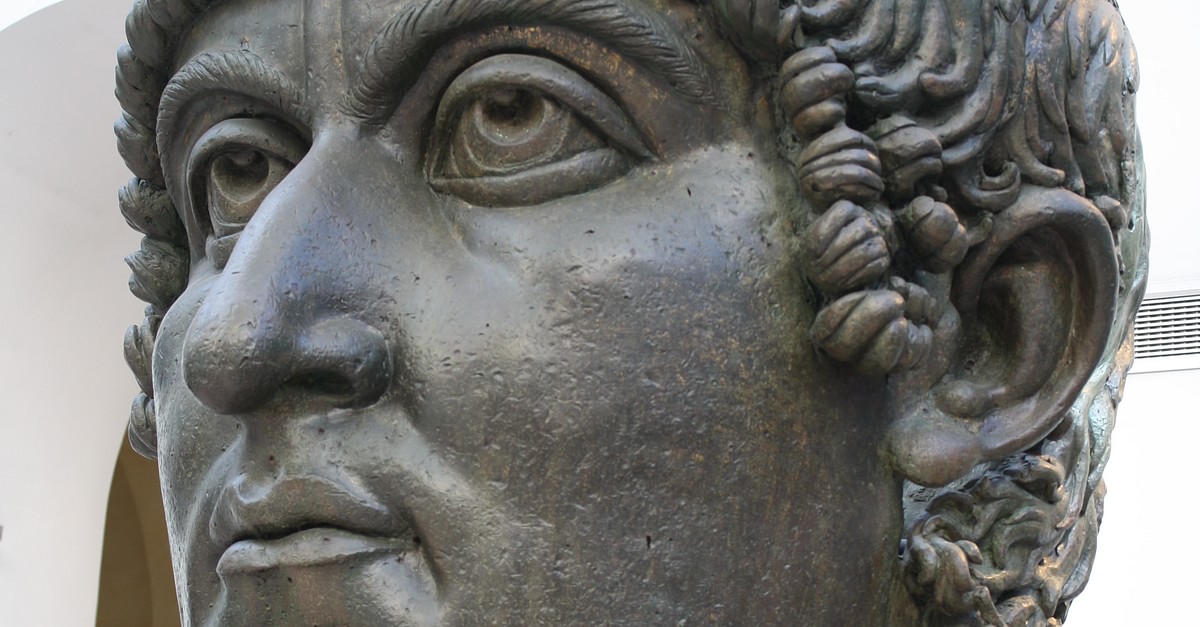


Marcus Vipsanius Agrippa: The Unsung Architect of the Roman Empire
An Introduction to Agrippa's Impact on Rome
Roman history is adorned with the exploits of figures like Julius Caesar, Augustus, and Cicero, but often overlooked is Marcus Vipsanius Agrippa, a commander and statesman of unparalleled skill. Born in 63 BCE, Agrippa ascended from relatively humble beginnings to become one of the most influential figures of his time. He played a pivotal role in the foundation of the Roman Empire and left a lasting imprint on the infrastructure, politics, and military prowess of the age.
A confidant and adviser to Augustus, the first Roman emperor, Agrippa's contributions were instrumental in shaping the era known as the Pax Romana—a period of relative peace and stability across the empire. Despite his critical role, Agrippa's legacy is strangely understated in popular historical narratives, yet his influence on the political and architectural landscape of Rome remains profound and enduring.
Agrippa's Formative Years and Rise to Power
Marcus Vipsanius Agrippa was born into a modest equestrian family, a social class below that of the patrician elite but one that still held considerable potential for ambition and maneuvering within Roman society. Agrippa's early years are not extensively chronicled, yet his intelligence and capabilities were evident. His education and formative experiences were closely linked with Gaius Octavius, later known as Augustus. This association would prove crucial as political dynamics shifted in the latter half of the 1st century BCE.
Agrippa's ascent began in earnest during the turbulent times following Julius Caesar's assassination in 44 BCE. The ensuing power vacuum led to a series of civil wars, where Agrippa's strategic acumen and military prowess came to the fore. His prowess in this sphere became particularly evident during the Battle of Actium in 31 BCE. Commanding the fleet on behalf of Octavian, Agrippa ingeniously orchestrated the defeat of Mark Antony and Cleopatra, cementing Octavian's authority. This victory was not merely a triumph in battle but a turning point that signaled the end of the Roman Republic and the dawn of the Roman Empire.
The Architect and Visionary Builder
Apart from his military achievements, Agrippa was a prolific builder whose projects contributed significantly to Roman society and its urban landscape. Among his most lasting legacies is the original Pantheon in Rome, a temple dedicated to all Roman gods. Although the structure we see today is a later reconstruction by Emperor Hadrian, its initial conception stands as a testament to Agrippa's ambition and ingenuity. It showcased the architectural and engineering prowess that contributed to Rome's reputation as an eternal city.
Agrippa's commitment to improving Rome's infrastructure extended beyond monumental architecture. As Rome's aedile, a role responsible for maintaining the city's buildings, roads, and aqueducts, he significantly enhanced Rome’s urban planning. He was pivotal in developing the Aqua Virgo aqueduct, which supplied fresh water to Rome, and the construction of public baths, which improved the quality of life for many citizens.
A champion of public welfare, Agrippa's initiatives were viewed as both a means to gain popular favor and an expression of his genuine concern for the urban populace. Under his direction, Rome's forum and streets were not only beautified but were also transformed into functional and efficient urban centers that facilitated commerce and communication in the rapidly expanding empire.
While Augustus often received the accolades for Rome's transformation, Agrippa’s quiet diligence and strategic intellect made much of it possible. Despite this, he never sought the limelight, often choosing to remain in the background, supporting Augustus and working tirelessly for the empire’s greater good.
Agrippa's Diplomatic Acumen
Beyond his military and architectural achievements, Agrippa was a skilled diplomat and administrator. His influence extended into political and social reforms that aimed to stabilize and unify the sprawling Roman territories. Agrippa’s role as a strategist did not end on the battlefield. He helped orchestrate alliances and manage Rome’s complex relationships with neighboring states and cultures, reinforcing Augustus’s vision of a peaceful and prosperous empire.
His diplomatic proficiency was crucial in securing the allegiance of various territories and mitigating conflicts within the Roman frontiers. Agrippa's peace policies and negotiations fostered a climate of stability that allowed the Roman Empire to thrive, showcasing his capability in governance that matched his military and architectural talent.
Through cultivating relationships with leaders across the Mediterranean and facilitating cultural exchanges, Agrippa ensured a stable and prosperous realm. His comprehensive approach to leadership highlighted his understanding that the strength of Rome was not only measured by its military might but also by its ability to inspire loyalty and cooperation amongst diverse peoples.
In conclusion, Marcus Vipsanius Agrippa's contributions to the Roman Empire were manifold and intricately tied to its formative years. His strategic genius, architectural vision, and diplomatic skill laid down the foundations for the Roman world to flourish under Augustus’s reign. As we delve deeper into his life and legacy, we uncover a figure whose impact resonates far beyond the era in which he lived. We shall explore further in the continuing analysis of his multifaceted career and enduring influence on the fabric of Roman antiquity.
The Military Strategist: Beyond the Battle of Actium
While the Battle of Actium is widely acknowledged as Agrippa's crowning military achievement, it is important to note that his military prowess extended well beyond this single defining encounter. Agrippa’s strategic mastery was demonstrated repeatedly through various campaigns and military reorganization efforts that fortified the rising power of Rome during a dynamic era of change.
During his tenure, Agrippa revamped the Roman navy, transforming it into a dominant maritime force. Despite Rome’s historic prowess on land, control over the Mediterranean was crucial, and Agrippa’s innovations were instrumental in securing this maritime superiority. He introduced large-scale shipbuilding programs and developed advanced naval tactics and equipment, including the incorporation of the "corvus," or boarding bridge, which enabled more effective ship-to-ship combat.
Besides his achievements at sea, Agrippa was also instrumental in consolidating Roman territories on land. Campaigning extensively throughout Gaul, Spain, and the Eastern provinces, Agrippa’s military expeditions helped to subdue uprisings and expand the empire’s frontiers. His leadership was not characterized by sheer force alone; he understood the necessity of integrating newly acquired regions into the Roman realm through infrastructure and diplomacy.
Through these varied efforts, Agrippa laid the groundwork for Roman supremacy throughout the Mediterranean world. His contributions were vital in establishing the conditions that allowed Rome not only to control vast territories but also to manage them with an efficiency that nurtured stability and growth.
The Personal Life and Relationships of Agrippa
Agrippa's personal life was closely intertwined with his public achievements, reflecting both the intricate social network of Roman political elites and his own status as a power broker of immense influence. His marriages and family ties were significant, not only for his personal prestige but also for cementing alliances that fortified his position and influence within the Roman hierarchy.
Agrippa's first marriage to Caecilia Attica connected him to the influential Atti family, which bolstered his status among Rome's aristocracy. However, it was his subsequent marriage to Julia the Elder, daughter of Augustus, that truly intertwined his destiny with that of the imperial family. This alliance elevated his social standing and integrated him into the ruling elite.
The marriage to Julia was not just a personal union but a strategic alliance that ensured the continuity of Augustan policies beyond Augustus himself. As Augustus's son-in-law, Agrippa became the father of several potential heirs to the throne, further cementing the symbolic and literal unification of the Roman power networks. His offspring, including the future emperor Caligula, played pivotal roles in subsequent generations, indicating the enduring legacy of his political alliances.
Despite his close familial ties to the emperor, Agrippa maintained a degree of independence in his various roles. His approach to both personal and political relationships highlighted a balance of power dynamics augmented by mutual respect and obligation, a delicate dance in the backdrop of Roman political machinations.
Agrippa the Patron and Innovator
Beyond his architectural achievements, Agrippa was a patron of the arts and sciences, reflecting his vision for a culturally rich and intellectually vibrant Rome. He supported various scholars, engineers, and architects, fostering an environment where innovation thrived. This patronage extended beyond mere financial support; his involvement often included active engagement with the projects and initiatives he endorsed, demonstrating an earnest commitment to cultural and scientific advancements.
Agrippa’s contributions to cartography and geography were particularly notable. The "Agrippa's Map," a grand map of the Roman world, was commissioned by him and exhibited in the Porticus Vipsania in Rome. It was the most detailed representation of the world known to Romans at the time, showcasing his interest in expanding geographical understanding and his ambition to record the extent of Rome’s influence.
His dedication to scientific inquiry went hand in hand with his pragmatic applications of knowledge, influencing various public works. The myriad of infrastructures, aqueducts, and public baths he built were not only engineering marvels but also served to disseminate Roman culture, demonstrating the interconnectedness of his strategic vision and cultural patronage.
Agrippa's efforts helped to set a precedent for future integration of culture and imperial policy, creating a legacy that underscored Rome’s advancement not only through conquest but also through cultural assimilation and innovation.
The Enduring Legacy of Agrippa
Despite his numerous achievements, Agrippa remained a figure more recognized for his contributions than for any notorious personal ambition or pursuit of power. His life was characterized by service to Rome and a profound loyalty to Augustus, whom he served until his death in 12 BCE. Agrippa's selflessness and dedication were qualities that earned him respect and admiration in his lifetime and contributed to the long-standing stability of the Roman Empire.
Through military triumphs, architectural innovations, and strategic statesmanship, Agrippa left behind a legacy that was deeply enmeshed in the fabric of Roman society. His influence persisted, not only through his immediate family and descendants but also through the infrastructure, policies, and cultural advancements he championed.
As history unfolded, the marks of Agrippa's work continued to impact the evolution of Rome, symbolizing the enduring value of strategic foresight and collaborative leadership. Understanding Agrippa’s role offers a broadened perspective on the forces that shaped one of history’s most formidable empires and sheds light on the nuanced power dynamics and visionary leadership that underpinned its monumental success. Through this exploration of his life, we gain insight into the quiet yet profound ways in which Agrippa's legacy persisted through the twilight of the Roman Republic and the dawning brilliance of the Roman Empire.
Agrippa's Role in the Augustan Reforms
To understand the full extent of Agrippa’s influence, it is essential to delve into his role in the Augustan reforms—sweeping changes that shaped the Roman state and society. Contrary to the often-chaotic political landscape of the late Republic, Augustus aimed to consolidate power and create a stable, enduring government. Agrippa was indispensable in this process, both as a collaborator and executor of policy.
Agrippa shared Augustus’s vision of revitalizing Rome’s foundational institutions and reinforcing moral values across Roman society. He was heavily involved in the moral legislation that Augustus implemented, which aimed to encourage traditional Roman virtues such as frugality, fidelity, and family allegiance. These laws affected aspects of domestic life, from marriage to public behavior, attempting to restore Rome to a past ideal that aligned with Augustan ideology.
Additionally, Agrippa took a hands-on approach with numerous social reforms, including those that sought to integrate different classes within the Roman framework. His repeated work on infrastructure not only improved city life but also served Augustus’s broader goals by promoting a sense of civic unity and identity, reinforcing the social cohesion necessary for sustaining the empire's vast and diverse population.
Agrippa’s understanding of the nuances of Roman society empowered him to navigate its intricacies, offering solutions that harmonized with both public sentiment and imperial policy. In essence, he was a pragmatic yet innovative force in realizing a vision for Rome that melded tradition with the adaptability required for governance of an expansionary empire.
Agrippa’s Legacy in the Arts and Sciences
Agrippa's enduring influence in arts and sciences further underscores the depth of his legacy. By fostering environments where artisans and scholars could thrive, Agrippa contributed to a flowering of Roman culture that reverberated through subsequent generations. His support for Vitruvius, a renowned architect and engineer who authored "De Architectura," ensured the preservation and dissemination of critical architectural principles that influenced the Western architectural canon for centuries.
The public works commissioned by Agrippa were not just a testament to his vision but also a beacon of the cultural and intellectual radiance of the era. He recognized that a city's grandeur was not solely in its structures but in the life and vigor breathing within them. His emphasis on providing sophisticated public amenities—such as baths, aqueducts, and temples—left tangible cultural imprints that shaped the social and intellectual environments of Rome.
Agrippa's patronage extended to technological advancement as well. His involvement with the Aqua Virgo, a remarkable feat of engineering that continues to bring water to modern-day Rome, highlights his dedication to employing scientific understanding for public benefit. This accomplishment underpins a legacy of practical engagement with progress that advocated for the use of knowledge to address everyday societal needs.
The Historical Perception of Agrippa
Despite his high standing and influence, why has history often overshadowed Agrippa’s achievements in favor of Augustus and other prominent figures? This oversight might be ascribed to Agrippa's own choices—his consistent efforts to place Augustus at the forefront of success and his reluctance to claim personal glory. His career features none of the scandal or hubris that often makes figures of history so memorable, which paradoxically reinforces the quality of his service and integrity.
Ancient historians like Suetonius and Tacitus rarely gave Agrippa the spotlight, perhaps due to the perception of him as an exceptional yet ultimately supportive role in Augustus’s larger narrative. His story serves as a valuable lesson in understanding how history appraises individuals based on narratives crafted by and for political powers of their time, often neglecting the contributions of those who preferred strategic foresight over fame.
Modern scholars have gradually revisited Agrippa's role, reassessing his vast contributions to the Roman Empire's inception. This renaissance of interest reflects a broader understanding of the intricate dynamics and diverse personalities that collectively shaped Rome's destiny. In recognizing Agrippa, history not only pays tribute to his achievements but also challenges the simplistic glorification of individual rulers by highlighting the collaborative efforts that often underlie imperial success.
Conclusion: The Quiet Force Behind Imperial Rome
Marcus Vipsanius Agrippa remains a sterling example of the virtues that underpinned the construction of a vast and multifaceted empire. His composite roles as a military strategist, builder, diplomat, and advisor underscore the breadth and depth of his impact on Roman Rome society. Agrippa's story is that of a man who thrived in the challenges of leadership, adopting a reflective and measured approach that consistently prioritized Rome's stability and progress.
Though often in the shadow of Augustus, Agrippa's contributions were no less monumental. His influence pervades the very fabric of Roman history, informing an understanding of the empire that emphasizes collaboration, cultural sophistication, and strategic imperatives.
As we conclude our exploration of Agrippa's life and legacy, it is evident that he is deserving of recognition as a foundational architect of the Roman Empire. His life speaks to the power and importance of selfless service and strategic adaptability, warranting a revered place in the annals of history alongside the more commonly celebrated figures of ancient Rome. Through an appreciation of his legacy, we gain a fuller understanding of the intricate power dynamics and visionary endeavors that fuel the enduring allure of Rome's historic narrative.


Augustus: The Architect of the Roman Empire
The Early Life of Gaius Octavius
Augustus, originally named Gaius Octavius, is renowned for being the first emperor of Rome and a pivotal figure in Roman history. Born on September 23, 63 BC, in the town of Velitrae, southeast of Rome, Octavian was a member of a financially modest branch of the prestigious gens Octavia. His familial lineage was not royal nor especially noble, yet it bore connections that would prove vital in his ascent to power. His mother, Atia, was the niece of Julius Caesar, establishing a bloodline that would later be instrumental in his rise.
As a young man, Octavius was sent to study in Apollonia, a major cultural hub in the province of Illyricum. During his time there, he honed skills in oratory and military tactics, setting the groundwork for his future as a leader. His connection to Julius Caesar extended beyond mere familial ties; Caesar recognized Octavius' potential early on and adopted him as his heir, introducing him to the Roman political stage as Gaius Julius Caesar Octavianus.
The Rise to Power
The assassination of Julius Caesar on the Ides of March, 44 BC, marked a turning point in Roman history and for Octavian personally. At merely 18 years old, he was thrust into the political fray of Rome. Caesar's death created a power vacuum and sparked a series of civil wars. Octavian quickly moved to claim his inheritance and position, deftly navigating the treacherous political landscape.
His first significant political maneuver was aligning himself with two of Rome’s most powerful figures at the time, Mark Antony and Marcus Aemilius Lepidus, forming the Second Triumvirate. This alliance effectively divided the Roman territories among them but was fraught with tension. It enabled Octavian to gain military command and public recognition, setting the path for his eventual sole rule.
Octavian’s clash with Antony became inevitable as the two men's ambitions grew increasingly incompatible. The Battle of Actium, fought on September 2, 31 BC, was the decisive conflict that led to Octavian’s ascension. By defeating the combined forces of Antony and Cleopatra of Egypt, Octavian removed his primary rival for control and became the unrivaled master of the Roman world.
Establishing the Roman Empire
In 27 BC, Octavian made a calculated move that underscored his political cunning and foresight. He offered to relinquish his powers and restore the Republic. This gesture, although largely symbolic, was aimed at appeasing the Senate and calming the political landscape. In recognition of his services to the state and his apparent humility, the Senate conferred upon him the title "Augustus," meaning "the revered one." This year is traditionally marked as the beginning of the Roman Empire, with Augustus as its first emperor.
Augustus' reign heralded a new era of relative peace known as the Pax Romana, which lasted over two centuries. Under his rule, Rome expanded its boundaries significantly, though Augustus was judicious in avoiding imperial overreach. His strategic blend of military strength and diplomacy stabilized and extended Rome's influence.
Administrative Genius and Reforms
A key to Augustus' enduring legacy was his comprehensive approach to governance, which involved significant reforms in taxation, military, and provincial administration. He reorganized the military, establishing a permanent standing army with soldiers loyal not to their generals, but to the emperor himself. This reorganization reduced the likelihood of military coups and increased the efficiency and reach of the Roman military.
Moreover, Augustus reformed the provincial governance structure, ensuring more efficient and less corrupt administration. He established a network of roads that improved communication and trade across the empire and initiated extensive building projects, including the reconstruction of Rome itself.
The Augustan Age was also marked by significant cultural patronage. Augustus recognized the power of propaganda and art in consolidating his rule. He supported poets like Virgil and Horace, whose works extolled the virtues of his leadership and the grandeur of Rome. Through a blend of administrative acumen, military might, and cultural patronage, Augustus not only consolidated power but also laid the foundations for an enduring empire.
This period of reform and revitalization positioned Rome not merely as a manifestation of military conquest but as a beacon of civilization, art, and law, an image Augustus meticulously crafted and projected.
The Consolidation of Power
While Augustus’ reforms reshaped Rome internally, his political maneuvers were equally crucial for consolidating his power. He understood that while his control over the military was paramount, he also needed the loyalty of Rome’s governing bodies and the wider populace. Augustus maintained the façade of traditional republican governance, keeping institutions like the Senate intact. Nevertheless, he ensured they operated under his influence, thereby securing their loyalty while avoiding outward appearances of autocracy.
He cleverly held multiple titles and offices concurrently, including Princeps Senatus (first senator) and Imperator (military commander), effectively centralizing authority without directly infringing on republican ideals. This political acumen allowed him to wield complete control while maintaining the guise of a restored republic. Romans accepted his supremacy largely due to the stability and prosperity he delivered after decades of civil war.
Public Works and Urban Development
Augustus took great pride in transforming Rome from a city of brick to a city of marble. His extensive public works program was a cornerstone of his administration. Recognizing that physical transformation could reinforce political power and legacy, he championed numerous building projects that not only beautified the city but also served to remind the populace of his accomplishments.
He commissioned the construction of the Forum of Augustus, a new public meeting space adorned with statues and marble embellishments, signifying the emperor’s magnanimity and connection to Rome’s legendary past. The restoration and expansion of Rome’s aqueducts improved water supply and sanitation, significantly enhancing urban life.
Moreover, Augustus funded the construction of roads and bridges, including the Julian Imperial Road, connecting distant parts of the empire and facilitating the flow of trade, military movement, and culture. These infrastructural developments helped cement the image of Augustus as the provider of prosperity and the guarantor of stability.
Culture and Propaganda
The age of Augustus was as much a renaissance of culture as it was of political stability. He understood the value of art, literature, and architecture as instruments of propaganda. The Augustan cultural renaissance was characterized by a blossoming of arts, often aligned with the political goals of the regime.
Poets like Virgil, Ovid, and Horace were under imperial patronage, and their works contributed to the narrative of a divinely sanctioned peace ushered in by Augustus. Virgil’s "Aeneid," in particular, became a centerpiece of Roman literature. It subtly linked Augustus’ rule to the divine will, tracing his ancestry and the destiny of Rome back to the ancient hero Aeneas.
Statues and coins also played a significant role in disseminating Augustus’ image. His portraits were distributed throughout the empire, depicted with divine attributes to associate his rule with favor from the gods. By intertwining his public image with the themes of renewal, peace, and divine blessing, Augustus solidified his standing across the empire.
The Personal Life of Augustus
Despite his public accomplishments, Augustus’ personal life was marked with complexities, particularly concerning his family and succession. He strategically managed his family relationships to secure his lineage and maintain political stability. Marriage alliances were pivotal; his marriage to Livia Drusilla was a significant component in solidifying alliances and bolstering his dynasty’s power.
Although he had no sons of his own, Augustus adopted several young relatives, anticipating the continued legacy of his rule. His choice of successor became a matter of state concern. Tiberius, his stepson from Livia’s previous marriage, was eventually adopted and groomed to succeed him.
Augustus' personal life, much like his public career, was characterized by careful planning and manipulation to ensure the stability and continuation of his dynasty. This planning was not without hurdles and tragedies, with the early deaths of other potential heirs like Marcellus, Gaius, and Lucius proving both challenging and shaping his succession strategy.
Legacy of Augustus
The legacy of Augustus is immense, not only due to his transformative policies and the establishment of the Roman Empire but also because of the enduring stability he brought to Rome. Unlike Alexander the Great, whose empire fractured shortly after his death, Augustus laid foundations that allowed the Roman Empire to endure for centuries.
His reign provided a template for future emperors, and his title of “Augustus” became a permanent honorific for subsequent rulers of Rome. The political, administrative, and cultural reforms he implemented had a long-lasting impact on Roman society and Western civilization.
Today, Augustus is remembered as a masterful statesman, a shrewd politician, and a visionary leader. His ability to consolidate power peacefully and transform Rome into a stable empire is a testament to his extraordinary capability and insight. Through his strategic use of political, cultural, and military tools, Augustus left an indelible mark on history, crafting an empire that echoed his influence long after his death.
Augustus' Religious Reforms
In addition to political and cultural innovations, Augustus undertook substantial religious reforms to reinforce his dynasty’s power and legitimacy. He reinvigorated traditional Roman religion, emphasizing the importance of pax deorum, or peace with the gods, suggesting that his reign provided divine favor and protection for Rome.
Augustus restored and constructed numerous temples and promoted religious rites and ceremonies. The reestablishment of the Lupercalia and the institution of the Secular Games were part of his efforts to restore ancient religious customs, portraying his rule as a revival of Rome’s sacred traditions. He also assumed the role of Pontifex Maximus, the high priest of the College of Pontiffs, enhancing his political and religious authority.
A particularly notable religious reform was the imperial cult, which introduced the worship of the emperor along with traditional deities. Augustus himself was reticent to claim divinity during his lifetime, instead subtly encouraging the veneration of his spirit, Augustus Divus, posthumously. This blending of political and spiritual leadership perpetuated loyalty to him and his successors, legitimizing the imperial rule.
Challenges and Opposition
Despite Augustus' largely successful reign, it was not without challenges and opposition. Throughout his ascent, Augustus faced considerable resistance from both political rivals and reformist elements who were committed to restoring the old Republican order.
His conflicts with Mark Antony epitomized the intense power struggles of the era, resulting in a civil war that found resolution only with Antony's defeat. Antony's alliance with Cleopatra and their loss at the Battle of Actium were pivotal in allowing Augustus to secure unchallenged control over Roman affairs.
Domestically, Augustus had to navigate conspiracies and dissent within Rome's elite, some of whom were disenchanted with the erosion of Republican freedoms. This internal opposition required Augustus to strike a balance between exercising power and placating the senatorial class—something he did with remarkable skill.
Meanwhile, challenges from Germanic tribes and unrest in provinces tested Rome’s military resolve. Augustus' ability to respond to these external threats without overextending Rome’s resources was critical in maintaining stability across the empire.
The Death of Augustus
Augustus passed away on August 19, AD 14, in Nola, Italy, at the age of 75. His death marked the end of an era, but his legacy was firmly entrenched within the empire he had built. The transition to his successor, Tiberius, established precedents for dynastic succession in the Roman Empire, although it did not occur without tension and uncertainty.
His passing was observed with great reverence, echoing the profound imprint he left on Roman society. Augustus was deified by the Senate, and he was interred in the grand Mausoleum of Augustus, an enduring monument to his indelible mark on Roman history.
The Enduring Impact of Augustus
The reign of Augustus represents a turning point not just in Roman history, but in the broader narrative of Western civilization. By transforming Rome from a republic plagued with internal strife into a resilient empire, Augustus established structures that not only underpinned an era of peace and prosperity but also inspired future states in governance and legal systems.
His administrative reforms became benchmarks for efficient governance, particularly his reinventions of provincial administration and tax systems. Many of these systems influenced future European and Western political structures. The cultural and architectural legacies—from literature sponsored during his time to architectural marvels—live on as testaments to the first Roman emperor’s far-reaching influence.
Augustus’ model of emperorship set templates for the exercise of power, with the role of the charismatic leader being derived in part from his example. His shrewd fusion of personal authority with institutional continuity informed the balance that subsequent emperors, and indeed, many modern political leaders, have had to negotiate.
Conclusion
Augustus left a comprehensive and layered legacy, one that encompassed political, military, and cultural dimensions of Roman life, and extended far beyond his time. He stood not merely as a pioneer of imperial Rome but as a statesman who forged unity and legacy upon the ruins of a fractured republic.
In establishing an empire considered a bastion of cultural and economic prosperity, he shaped much of what the Western world would become. From building cultural edifices to reforming political structures, Augustus showed how strategic vision could transcend immediate challenges and impact the course of history for centuries to follow.